




India’s Youth Are More Educated Than Ever. Why Isn’t Employment Keeping Up?
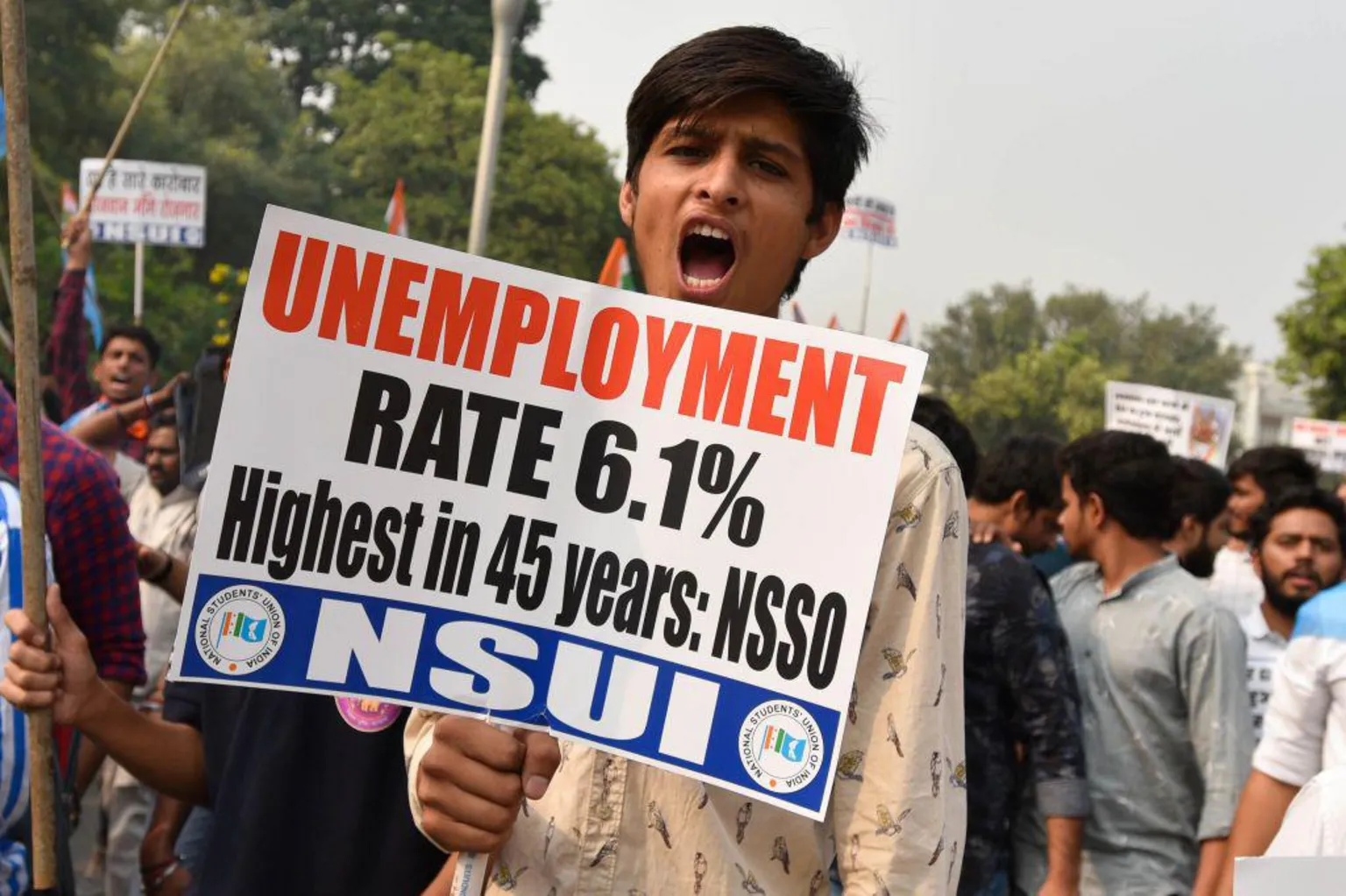
India’s youth are more educated than ever before. Why Isn’t Employment Keeping up the pace? Universities are expanding, professional courses are booming, and access to digital learning has widened opportunities across social classes. Yet, this educational progress has not translated into proportional employment. Rising graduate unemployment is not a new phenomenon—but its scale today has made it far more urgent and complex.
A Persistent Problem, Now at a Massive Scale
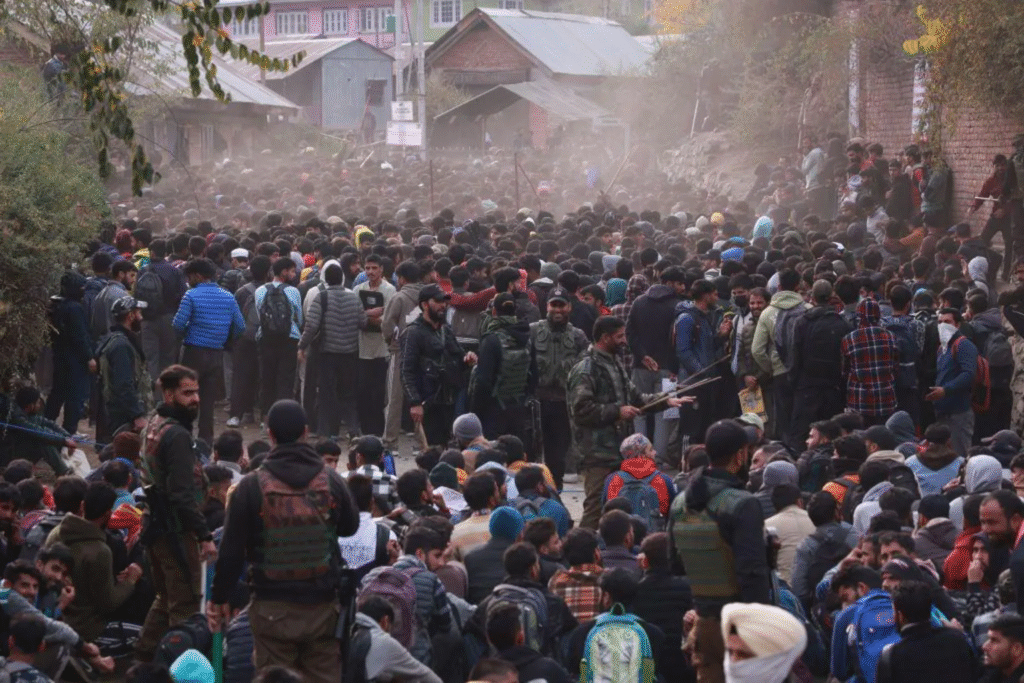
The gap between education and employment in India has deep historical roots. As early as 1969, British economist Mark Blaug, in his book The Causes of Graduate Unemployment in India, identified the disconnect between degrees and jobs—a trend visible since the 1950s. Decades later, the pattern remains strikingly unchanged. Between 1983 and 2023, graduate unemployment has hovered around 35–40%, reflecting a structural issue rather than a temporary economic slowdown.
What has changed, however, is the scale. India now produces nearly five million graduates every year. But since 2004–05, only about 2.8 million annually have been able to secure jobs—and an even smaller fraction finds stable, salaried employment. This widening gap has intensified competition, frustration, and underemployment among the educated youth.
The issue is not merely about the number of jobs, but their nature. Many graduates are either unemployed or forced to accept roles that do not match their qualifications. This creates a cycle where education raises aspirations, but the economy fails to meet them, leading to disillusionment.
Job Creation Without Transformation
At first glance, India’s labour market appears to be expanding. In the two years following the pandemic, the country added an estimated 83 million jobs, taking total employment from 490 million to 572 million. On paper, this seems like a strong recovery. However, a closer look reveals a more complicated reality.
Nearly half of these new jobs have emerged in agriculture—a sector already burdened with low productivity and disguised unemployment. Many of these roles, particularly those taken up by women, are informal, unpaid, or home-based. In essence, the economy is creating work, but not the kind that leads to income growth or improved living standards.
Economists argue that India’s growth model is at the core of this imbalance. Unlike East and Southeast Asian economies that relied on export-led manufacturing to absorb large sections of the workforce, India’s growth has been driven by skill-intensive sectors such as IT, communications, and financial services. While these industries generate high value, they employ a relatively small, highly skilled segment of the population.
As a result, the labour market has become increasingly lopsided. There are opportunities for the highly educated and skilled, but limited pathways for the broader workforce. Manufacturing—traditionally a major source of mass employment—has not expanded enough to bridge this gap.
The story of women’s employment further illustrates this divide. On one end, a growing number of educated women are entering formal, salaried roles in sectors like IT, automobile manufacturing, and business services, particularly in states such as Tamil Nadu and Gujarat. On the other end, a much larger proportion of women are engaged in self-employment or unpaid work within households and family enterprises. This is less a sign of empowerment and more an indication of economic necessity.
India’s demographic dividend—its vast young population—holds immense potential. But without the right kind of job creation, this advantage risks turning into a liability. The challenge is not just to create employment, but to ensure that jobs are productive, stable, and aligned with the aspirations of an increasingly educated workforce.
Until India bridges the gap between education, skills, and meaningful employment, the paradox will persist: a nation of qualified youth, still searching for the right opportunities.

Prabha Gupta is a veteran journalist and civic thinker dedicated to the constitutional ideals of dignity and institutional ethics. With over thirty years of experience in public communication, her work serves as a bridge between India’s civil society and its democratic institutions. She is a prominent voice on the evolution of Indian citizenship, advocating for a national discourse rooted in integrity and the empowerment of the common citizen