



Cervical Cancer Vaccine in India: Safety Concerns Or Pharma Politics
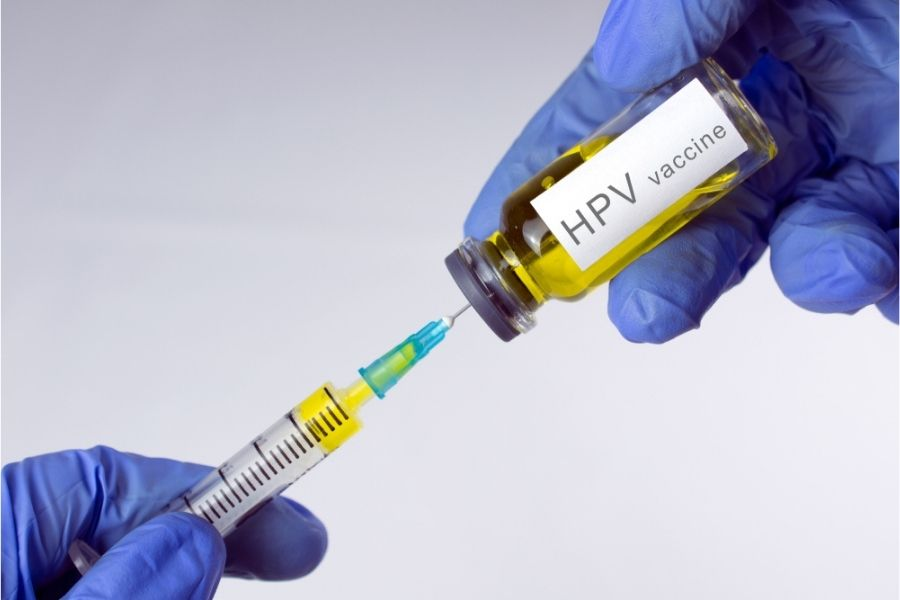
Cervical Cancer Vaccine in India is a safety concerns Or Pharma Politics ? The recent push to introduce the Human Papillomavirus (HPV) vaccine in India as a preventive measure against cervical cancer has been presented as a major public health breakthrough. The vaccine developed domestically as Cervavac by the Serum Institute of India is being promoted as an affordable alternative to global HPV vaccines such as Gardasil, produced by Merck.
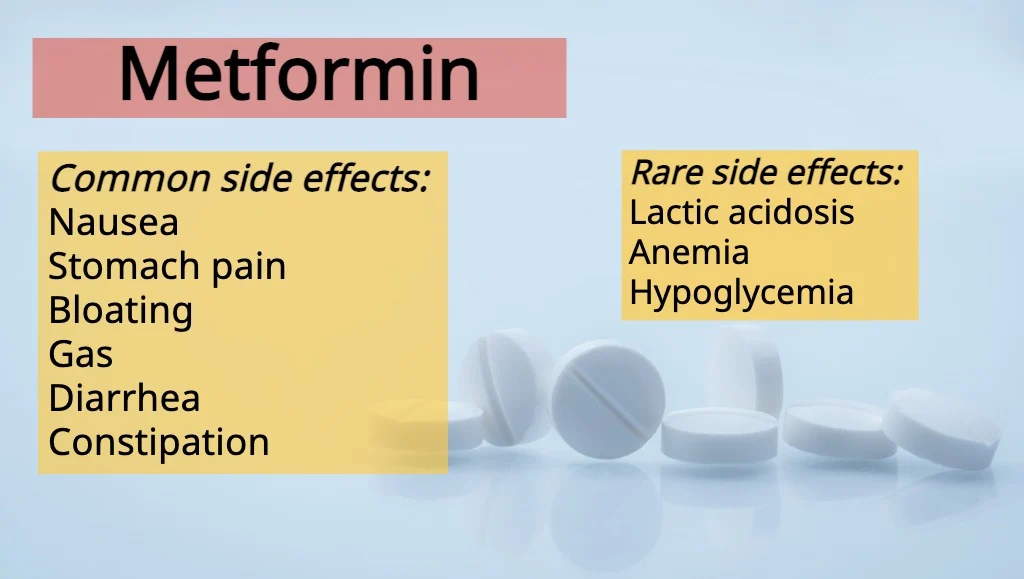
Supporters say the vaccine could significantly reduce cervical cancer cases among Indian women. Yet the announcement has also revived an important debate: how safe are these vaccines, and how transparent is the system that approves and promotes them?
Safety Questions and the Memory of Past Trials
Globally, regulators have maintained that HPV vaccines are safe and effective. However, the debate in India has been shaped by the controversial HPV vaccine trials conducted more than a decade ago in tribal regions of Andhra Pradesh and Gujarat. The tribal girls of Khammam and Gujarat were not just “data points” in a Phase IV study; they were human beings with rights protected under the Indian Constitution and international law. The “experimentation” on vulnerable populations highlights a terrifying reality: when the search for profit meets a lack of oversight, the most marginalized become the most disposable.
As India seeks to become a global hub for clinical research, it must decide whether it will protect its citizens or continue to offer them as “guinea pigs” to the highest bidder. Until ethical protocols are enforced with the same rigor in a forest hostel as they are in a city hospital, the blood of the vulnerable will continue to stain the progress of modern medicine.Several girls who had participated in those programmes died during the trial period, leading to a national outcry.
Subsequent investigations by government agencies concluded that the deaths were not directly caused by the vaccine. Yet critics argued that the real issue lay in the way the trials were conducted—particularly concerns over informed consent, monitoring and the participation of vulnerable communities.
Concerns about vaccine side effects have also been part of the global discussion. During the COVID-19 pandemic, the vaccine Covishield, produced by the Serum Institute of India in collaboration with AstraZeneca, became a central pillar of India’s vaccination drive. Later, international regulators acknowledged cases of blood-clotting disorders associated with the AstraZeneca vaccine.
Public Health Priorities and the Pharma Question
Cervical cancer prevention certainly matters, but some public health experts argue that improving nutrition, sanitation, clean drinking water and access to regular screening may be equally important in strengthening people’s natural immunity and preventing disease.
India still struggles with uneven access to safe drinking water, poor sanitation in many rural areas and widespread nutritional deficiencies. Critics ask whether sufficient resources are being directed toward these foundational determinants of health.
Another sensitive issue is the relationship between governments and pharmaceutical companies. The debate intensified after revelations about political donations through the electoral bond scheme, which was later struck down by the Supreme Court of India. Public data released after the verdict showed that the Serum Institute of India had made substantial donations through electoral bonds during the COVID-19 period.
Opposition leaders and transparency activists have argued that such financial links between corporations and political parties raise legitimate questions about policy influence, particularly when governments later procure large volumes of vaccines from the same companies. requirements and regulatory approvals.
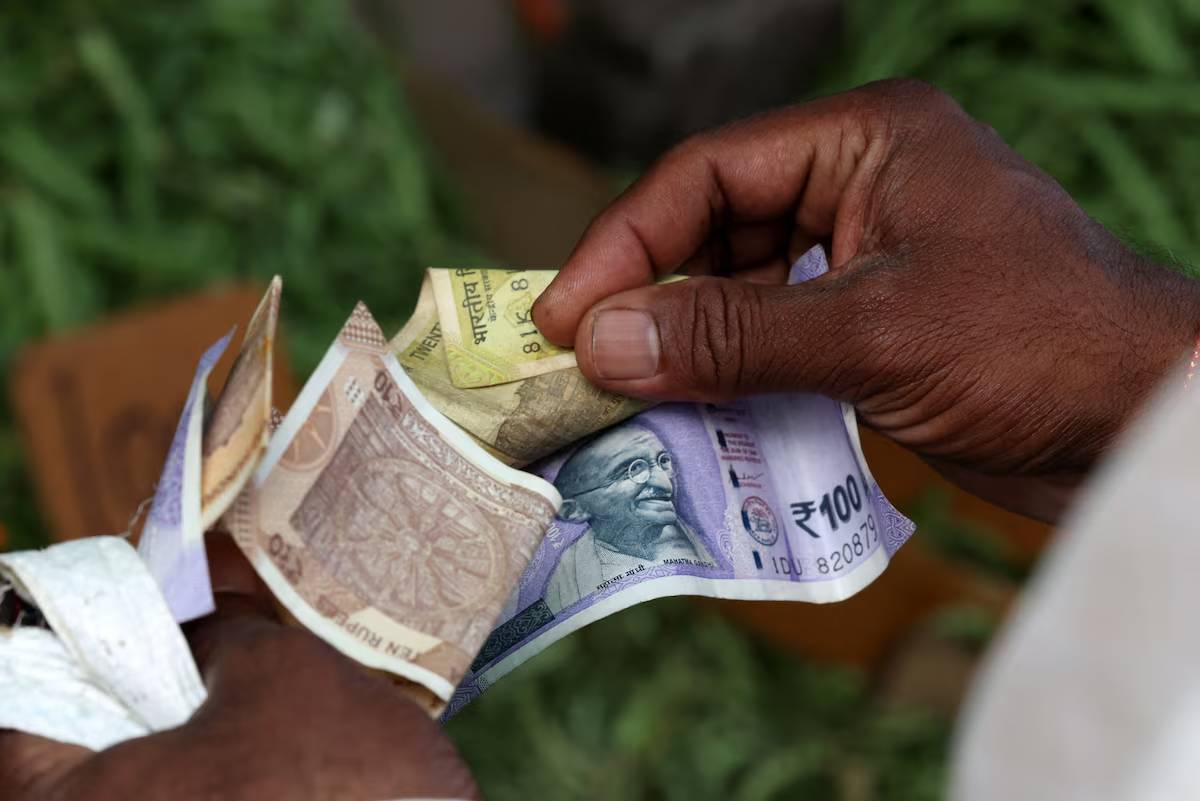
Now thousands of lives are going to be scapegoat in the name of HPV vaccine like Corona. Rather than paying attention on public health policies the government will buy vaccines and allure innocent public in the name of free vaccines. In return it will take ‘Chanda’ in the form of electronic bonds.

Prabha Gupta is a veteran journalist and civic thinker dedicated to the constitutional ideals of dignity and institutional ethics. With over thirty years of experience in public communication, her work serves as a bridge between India’s civil society and its democratic institutions. She is a prominent voice on the evolution of Indian citizenship, advocating for a national discourse rooted in integrity and the empowerment of the common citizen