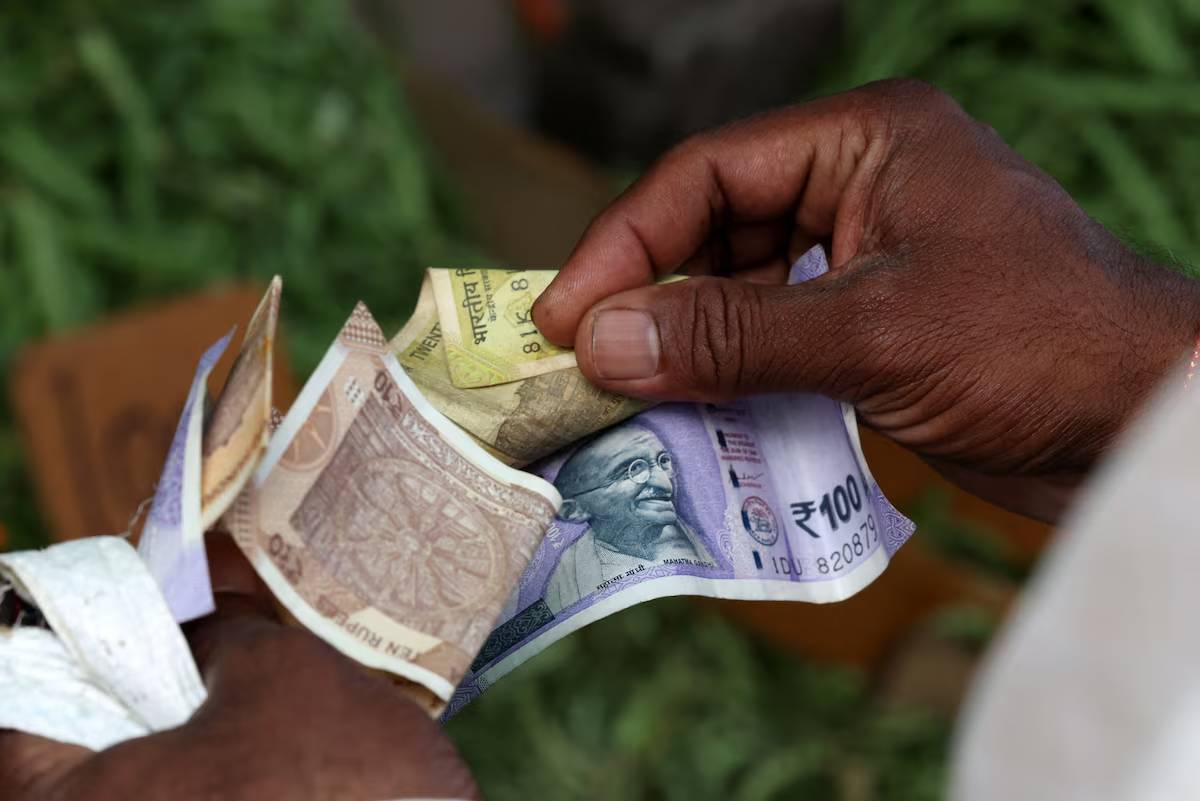







The $4 Trillion Paradox: India Overtakes Japan Amidst a Growing Job Crisis
A recent DW (Deutsche Welle) report by Richard Connor confirms a major global shift. India has pushed ahead of Japan to become the world’s fourth-largest economy. The Indian government’s end-of-year review supports this, showing a GDP of approximately $4.18 trillion. While the DW report highlights a “Goldilocks” period of high growth, a vital question remains. Why does this economic boom feel so distant to millions of unemployed youth?
Success on Paper: The “Goldilocks” Growth
India’s real GDP grew by 8.2% in the second quarter of the 2025–26 financial year. Strong domestic demand and high private consumption primarily drive this momentum. The government describes this phase as a rare period of high growth and low inflation. Healthy corporate balance sheets and steady credit flows support this expansion.
Current trends suggest India will overtake Germany within three years to claim third place globally. Export performance also remains strong. Merchandise exports rose to $38.13 billion in November 2025. However, final annual figures due in 2026 will provide the official confirmation.
The Paradox: Why Record GDP Fails to Create Jobs
Macro-numbers celebrate a $4.18 trillion economy, but the micro-reality for Indian households is a struggle. Experts call this “Jobless Growth.”
- Capital-Intensive Focus: High-tech sectors like electronics and software boost the GDP. However, these industries require specialized skills. They employ fewer people compared to traditional manufacturing.
- The K-Shaped Reality: Economists observe a “K-Shaped” trend. The wealthy and tech-skilled flourish. They fuel the “Private Consumption” mentioned by the government. Meanwhile, rural laborers face stagnant wages and few opportunities.
- The Skill Mismatch: India faces a massive gap between university education and industry needs. Millions of graduates lack the specific skills for the 2026 digital economy.
Balancing Scale with Human Capital
India will likely become the world’s third-largest economy by 2028. However, it faces a steep climb to ensure this wealth reaches everyone. Richard Connor’s report for DW shows India is “well-positioned to sustain momentum.” Yet, that momentum must include job creation.
India must pivot from “Gross Domestic Product” to “Gross Domestic Employment.” Without addressing unemployment, the $4 trillion milestone remains a headline without a heart.

NewsHasghag operates a 24/7 news bureau that tracks the real-time, social media-driven stories from India and around the world, keeping you ahead of the day’s key talking points. Our digital-first approach transforms storytelling through the seamless integration of data, interactive charts, video, and audio into every narrative