



The growing LPG supply concerns in India are emerging against the backdrop of escalating geopolitical tensions in the Middle East, particularly the ongoing conflict between Iran and Israel. The latest phase of the war began after coordinated strikes by Israel and the United States on Iranian military and nuclear facilities, triggering large-scale retaliation from Iran through missile and drone attacks across the region.
The confrontation is rooted in long-standing disputes over Iran’s nuclear programme, its ballistic missile capabilities and its influence across the Middle East through allied groups. Israel has repeatedly warned that Iran’s nuclear ambitions pose a direct threat to its security, while Iran accuses Israel and the United States of attempting to weaken the Islamic Republic and reshape the region’s political balance.
As the conflict intensifies, global energy markets and shipping routes — particularly the strategic Strait of Hormuz through which a significant portion of the world’s oil and gas supplies pass — have come under pressure. The resulting uncertainty in global fuel logistics has raised concerns in several countries, including India, about potential disruptions in the supply of energy products such as LPG.
LPG Crisis Worsens From Delhi to Bihar, Goa to Uttarakhand
A growing shortage of liquefied petroleum gas (LPG) is beginning to disrupt daily life in several parts of the country, with reports of supply delays and dwindling stocks emerging from states as far apart as Delhi, Bihar, Goa and Uttarakhand. What initially appeared to be a localized supply issue is now turning into a wider crisis affecting both commercial establishments and domestic consumers.
Hotels, restaurants and small eateries are among the worst hit. Many business owners say their LPG stocks are running dangerously low, forcing them to either reduce operations or search for alternative cooking arrangements. In major urban centres, restaurant associations warn that if the supply situation does not improve soon, several establishments may be forced to temporarily shut down.
The hospitality sector depends heavily on LPG cylinders for cooking, and unlike domestic consumers, commercial users require multiple cylinders every week. Several hotel and restaurant operators say that distributors have either delayed deliveries or imposed strict limits on the number of cylinders they can supply.
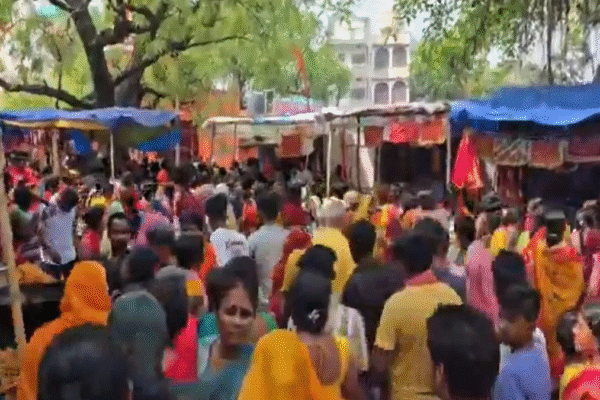
In Delhi and nearby regions, some restaurants have reportedly begun rationing their fuel usage. Similar concerns are emerging from tourist states like Goa and Uttarakhand, where hotels and guesthouses rely heavily on LPG to serve large numbers of visitors. Industry representatives say that prolonged disruption could impact tourism and local employment as well.
Domestic users are also beginning to feel the pressure. In several towns and cities, consumers have complained about delays in cylinder deliveries even after booking them days in advance. While most households still have access to cooking gas, the growing backlog in deliveries has created anxiety among families who depend entirely on LPG for daily cooking.
The LPG distribution network in India largely operates through public sector oil companies such as Indian Oil Corporation, Bharat Petroleum and Hindustan Petroleum. These companies supply both subsidised domestic cylinders and higher-priced commercial cylinders through an extensive network of distributors across the country. Any disruption in supply chains—whether due to logistics, demand spikes or production issues—can quickly affect millions of consumers.
Opposition parties have sharply criticised the government over the emerging crisis. Senior Congress leader Priyanka Gandhi has accused the central government of failing to ensure adequate supply of essential cooking fuel. According to her, rising prices and supply shortages are putting unnecessary pressure on ordinary families already struggling with inflation.
Delhi Chief Minister Arvind Kejriwal has also questioned the handling of the situation, stating that shortages of essential commodities reflect deeper problems in supply management. Opposition leaders argue that the government should immediately intervene to stabilise supplies and prevent the crisis from worsening.
Political observers note that fuel supply disruptions often become politically sensitive issues in India because LPG is considered a basic household necessity. Over the past decade, government programmes aimed at expanding access to cooking gas—especially among low-income families—have significantly increased the number of LPG users across the country. As a result, any interruption in supply now affects a much larger section of the population.
Industry experts, however, say the situation may be linked to multiple factors, including increased demand from the hospitality sector, transportation bottlenecks and fluctuations in global energy markets. India imports a significant portion of its LPG requirements, making domestic supply vulnerable to global price movements and shipping delays.
Officials in the petroleum sector have not yet indicated whether the shortages are temporary or part of a larger supply challenge. However, distributors in several states say they are expecting fresh supplies within the next few days, which could ease the pressure.
For now, both businesses and households remain on edge. Restaurant owners fear operational disruptions, while domestic users worry about delayed deliveries. If supplies are not stabilised quickly, the LPG shortage could evolve from a logistical issue into a

NewsHasghag operates a 24/7 news bureau that tracks the real-time, social media-driven stories from India and around the world, keeping you ahead of the day’s key talking points. Our digital-first approach transforms storytelling through the seamless integration of data, interactive charts, video, and audio into every narrative