


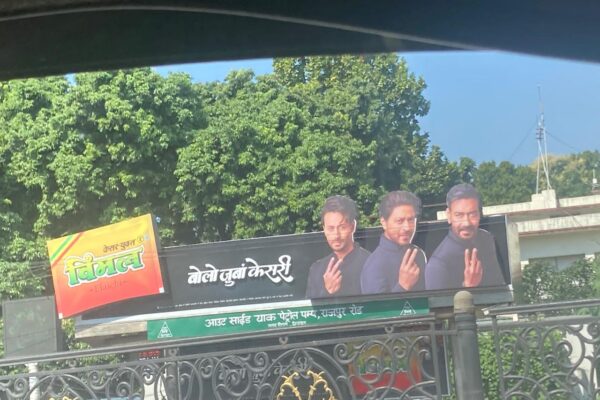
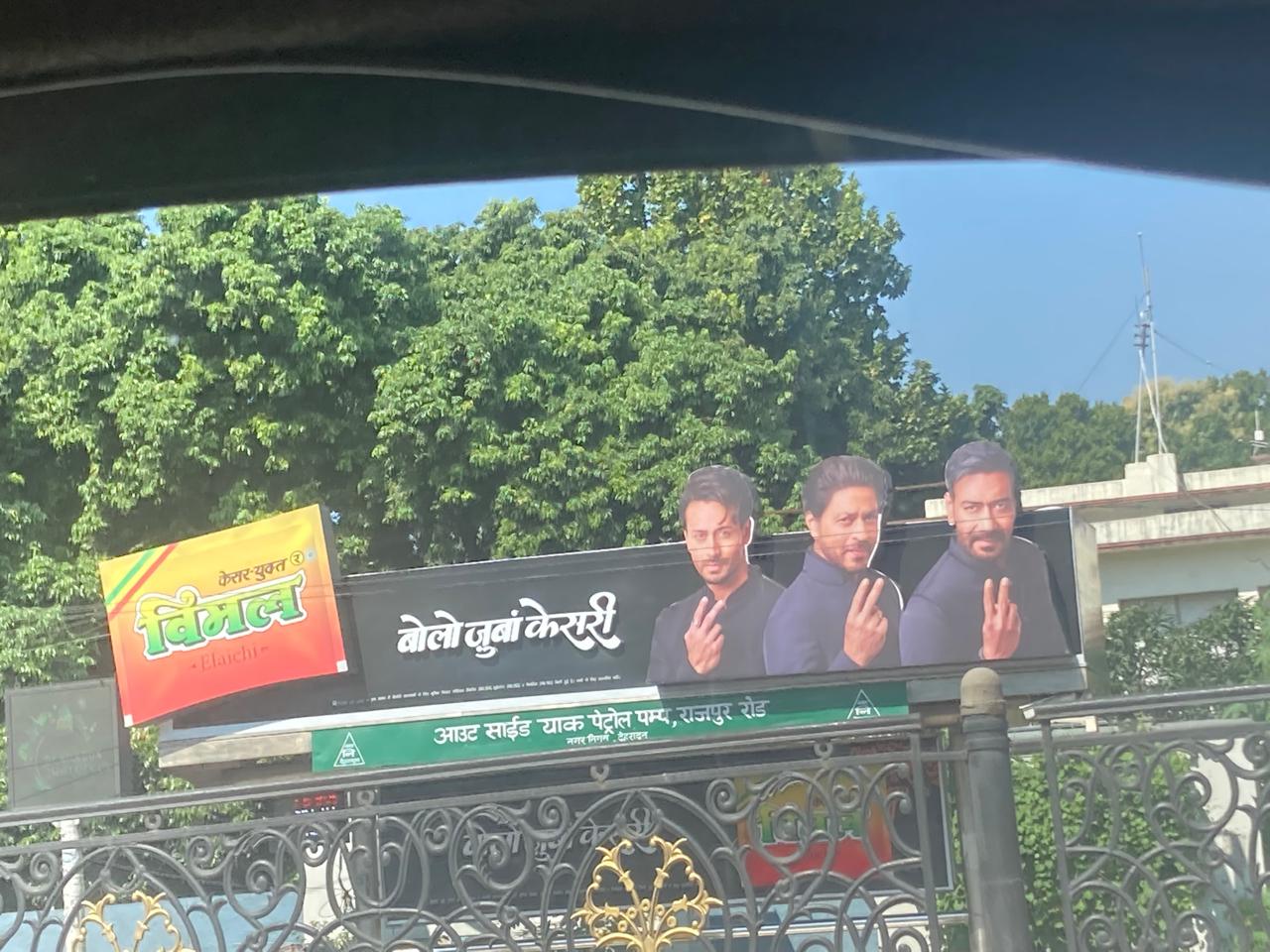
Shah Rukh Khan, Ajay Devgn, and Tiger Shroff dominate hoardings of Gutkha Paan Masala
The red-stained pavements and walls of Indian cities serve as a silent testimony to a growing public health crisis that has long transcended mere habit to become a cultural and economic phenomenon. Paan Masala and Gutkha consumption, once associated primarily with older generations in rural heartlands, has mutated into a modern epidemic. As of 2026, India remains the global epicenter of smokeless tobacco, with the domestic market for these products estimated to exceed ₹50,000 Crore. This massive industry thrives on a complex web of cultural acceptance, aggressive celebrity branding, and a regulatory landscape that often appears more interested in revenue than restriction.

While global tobacco trends show a steady decline in smoking, smokeless tobacco consumption in India is moving in the opposite direction, particularly among the youth. Recent data indicates that rural Gutkha usage has spiked dramatically over the last decade, with millions of households now regular consumers. The danger lies in the accessibility; small, single-serve pouches are available at every street corner for as little as ₹5, making them easily affordable for school-aged children and low-income workers. These products are often misperceived as harmless mouth fresheners or digestive aids, yet they are cocktails of crushed areca nut, tobacco, slaked lime, and paraffin wax—a mixture that is both highly addictive and carcinogenic.
The most controversial aspect of this surge is the role of mainstream media and celebrity endorsements. The faces of Bollywood icons like Shah Rukh Khan, Ajay Devgn, and Tiger Shroff dominate massive hoardings and prime-time television slots, promoting these brands under the guise of “Elaichi” or “Saffron-infused” mouth fresheners. This practice, known as surrogate advertising, allows companies to bypass the ban on direct tobacco promotion. By associating these products with “success,” “style,” and “masculinity,” actors provide a veneer of social respectability to a habit that leads directly to Oral Submucous Fibrosis and mouth cancer. Despite public outcry and recent legal notices from consumer forums in 2025 and 2026 questioning the “saffron” claims in ₹5 pouches, the endorsements continue, fueled by multi-crore contracts.
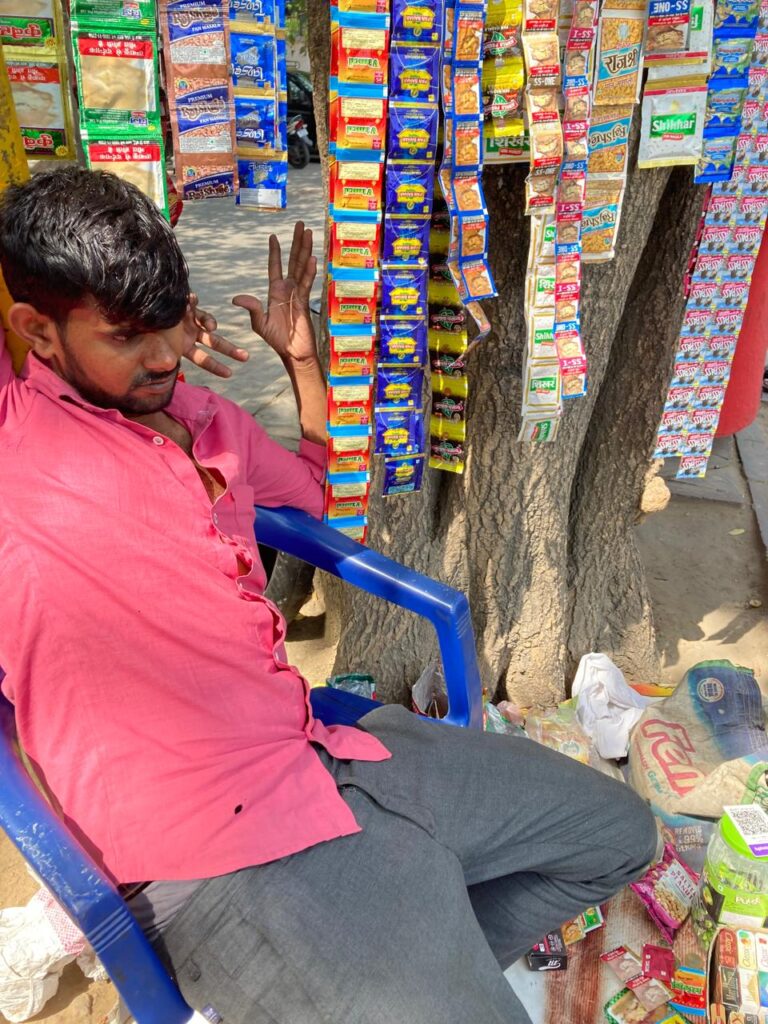
The government’s stance remains a study in contradiction. On one hand, public health departments run expensive anti-tobacco campaigns and mandate gruesome pictorial warnings on packaging. On the other hand, the state continues to collect thousands of crores in GST and excise duties from these manufacturers. The revenue generated is so substantial that a total ban is often viewed as economically unfeasible. While individual states have periodically attempted bans on Gutkha, manufacturers frequently circumvent these laws by selling tobacco and Paan Masala in separate pouches, leaving the consumer to mix them—a legal loophole that remains largely unaddressed.
Globally, the “Gutkha culture” is no longer confined to the Indian subcontinent. Migrant populations have carried these habits to the Middle East, North America, and Europe, leading to international concerns over the rising rates of oral cancer in South Asian diaspora communities. The World Health Organization has repeatedly urged stricter implementation of the Framework Convention on Tobacco Control (FCTC), yet progress in the smokeless sector lags far behind the regulations imposed on cigarettes.
n The human cost of this neglect is staggering. India currently bears the highest burden of oral cancer in the world, with over 100,000 new cases recorded annually. For many young users, the journey starts with a “premium” pouch endorsed by their favorite movie star and ends in a surgical ward. Until the government prioritizes long-term public health over short-term fiscal gains and celebrities are held to higher ethical standards for the products they normalize, the red stains on India’s streets will continue to reflect a much deeper, more terminal rot within its social and regulatory fabric.

Prabha Gupta is a veteran journalist and civic thinker dedicated to the constitutional ideals of dignity and institutional ethics. With over thirty years of experience in public communication, her work serves as a bridge between India’s civil society and its democratic institutions. She is a prominent voice on the evolution of Indian citizenship, advocating for a national discourse rooted in integrity and the empowerment of the common citizen