



Trump Declares Ceasefire, Tehran Opens Hormuz: A Fragile Pause Amid Deepening Damage
Trump Declares Ceasefire, Tehran Opens Hormuz: A Fragile Pause Amid Deepening Damage-In a dramatic de-escalation after weeks of high-intensity conflict, U.S. President Donald Trump has announced a conditional two-week ceasefire with Iran, with Tehran agreeing to ensure safe passage through the strategically critical Strait of Hormuz. The agreement, brokered at the eleventh hour, has temporarily averted a wider regional war—but it does little to conceal the scale of destruction already inflicted or the long-term consequences now unfolding.
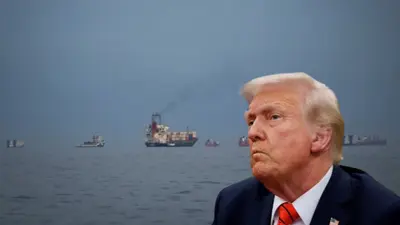
At the heart of the deal lies the reopening of the Strait of Hormuz, a maritime chokepoint responsible for nearly one-fifth of global oil and gas shipments. Iran had previously blockaded the route, triggering a global energy shock and stranding millions of barrels of crude at sea. The ceasefire is explicitly tied to Tehran’s commitment to allow safe transit, contingent on a halt to U.S. and allied strikes.
A War of Limited Gains, Heavy Costs
Despite Trump’s assertion of a “total and complete victory,” the strategic picture is far more ambiguous. Militarily, the United States and its allies succeeded in degrading portions of Iran’s infrastructure and naval capabilities. Yet Iran retains key elements of its missile and drone arsenal, as well as its stockpile of highly enriched uranium—core concerns that initially justified the offensive.
For Iran, survival itself has been framed as victory. The ruling establishment has withstood sustained bombardment without signs of collapse, and its ability to disrupt global energy markets has reinforced its geopolitical leverage. In effect, neither side has achieved decisive strategic dominance.
The financial toll has also been staggering. Estimates suggest the conflict has cost the United States over $100 billion, while Iran has suffered extensive damage to infrastructure, including energy facilities, bridges, and urban sites. Civilian areas have not been spared, further deepening humanitarian concerns and internal instability.
The Global Fallout
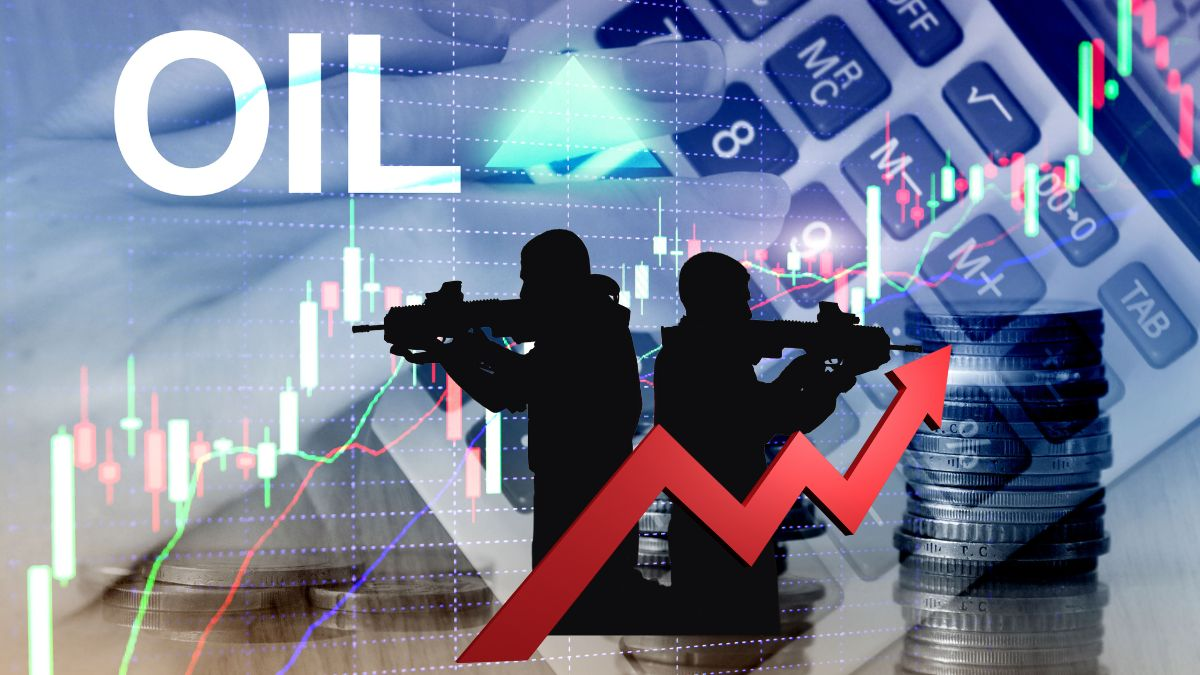
Beyond the immediate combatants, the war has exposed the fragility of the global economic system. The closure of Hormuz sent oil prices surging and disrupted supply chains worldwide, underscoring how regional conflicts can trigger global crises. The announcement of the ceasefire led to an immediate drop in oil prices and a rebound in stock markets—clear evidence of how deeply interconnected energy security and geopolitical stability have become.
However, the reopening of the strait does not guarantee a return to normalcy. Iran has reportedly introduced a system of selective access and transit fees, effectively transforming the waterway into a geopolitical bargaining tool. This suggests that even in ceasefire, economic coercion may persist.
A Precarious Peace
The ceasefire itself is inherently fragile. It is limited to two weeks, conditional, and layered with unresolved disputes—most notably over Iran’s nuclear program and sanctions. Diplomatic efforts, including proposed talks in Islamabad, signal a path forward, but deep mistrust remains.
Moreover, the ceasefire does not fully extend across the region. Conflicts involving Israel and allied groups continue in parallel theatres, raising the risk that localized escalations could unravel the broader truce.
Long-Term Consequences
Even if the ceasefire holds, the long-term damage is already evident. The conflict has accelerated militarization in the Gulf, strained U.S. alliances, and emboldened Iran’s strategy of asymmetric warfare. It has also reinforced a troubling precedent: that control over global energy chokepoints can be weaponized with significant effect.
For ordinary citizens—in Iran, across the Middle East, and beyond—the costs are more immediate and enduring: economic hardship, infrastructure loss, and the persistent fear of renewed conflict.
The ceasefire may have paused the الحرب, but it has not resolved it. Instead, it marks a transition—from open warfare to a tense, uncertain standoff where the next escalation may only be a miscalculation away.

Prabha Gupta is a veteran journalist and civic thinker dedicated to the constitutional ideals of dignity and institutional ethics. With over thirty years of experience in public communication, her work serves as a bridge between India’s civil society and its democratic institutions. She is a prominent voice on the evolution of Indian citizenship, advocating for a national discourse rooted in integrity and the empowerment of the common citizen