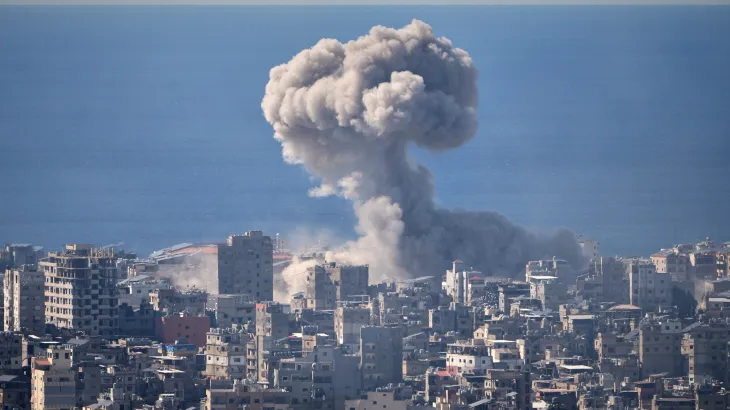



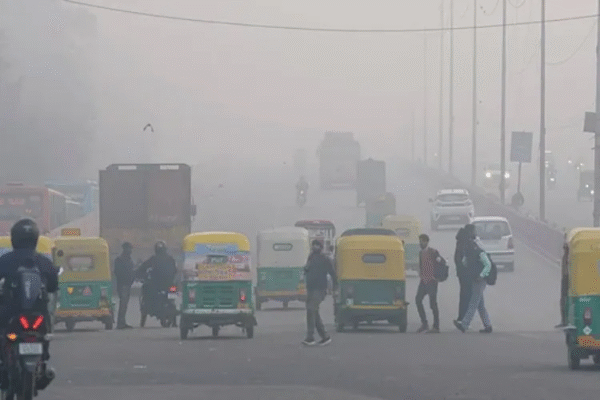

The escalating conflict involving Iran, Israel, and the United States has once again shaken global energy markets. Whenever tensions flare in West Asia, the world’s largest oil-producing region, countries that depend heavily on imported crude oil immediately feel the pressure. For India, which imports nearly 85% of its crude oil requirements, geopolitical instability in the Middle East can quickly translate into higher fuel costs, inflation, and economic uncertainty.
Global oil prices have already begun reacting to the conflict. Analysts note that fears of supply disruptions have pushed crude oil prices sharply upward in recent weeks. Oil benchmarks have surged from around $69 per barrel in February to more than $85 per barrel, indicating growing volatility in energy markets.
How the War Can Affect Fuel Prices in India
The most immediate concern is the possibility of disruptions in the Strait of Hormuz, a narrow shipping corridor through which nearly one-fifth of the world’s oil supply passes. If conflict intensifies in this region, tankers carrying crude oil from Gulf countries could face delays or higher insurance costs. This would raise global oil prices and increase the cost of imports for India.
Even small increases in crude oil prices can have a large impact. Economists estimate that every $1 increase in global oil prices adds roughly $2 billion to India’s annual import bill. When import costs rise, oil marketing companies often pass the increase on to consumers through higher petrol and diesel prices.
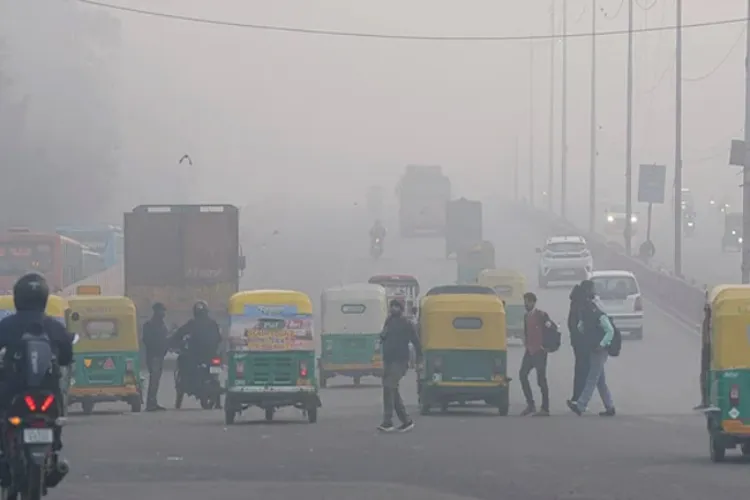
However, domestic fuel prices in India do not always increase immediately. Petrol and diesel prices are influenced not only by international crude prices but also by government taxes and pricing policies. In recent days, despite rising global crude prices due to geopolitical tensions, retail petrol and diesel prices in India have largely remained unchanged, indicating that the government or oil companies may temporarily absorb the increase.
LPG Prices Already Showing Impact
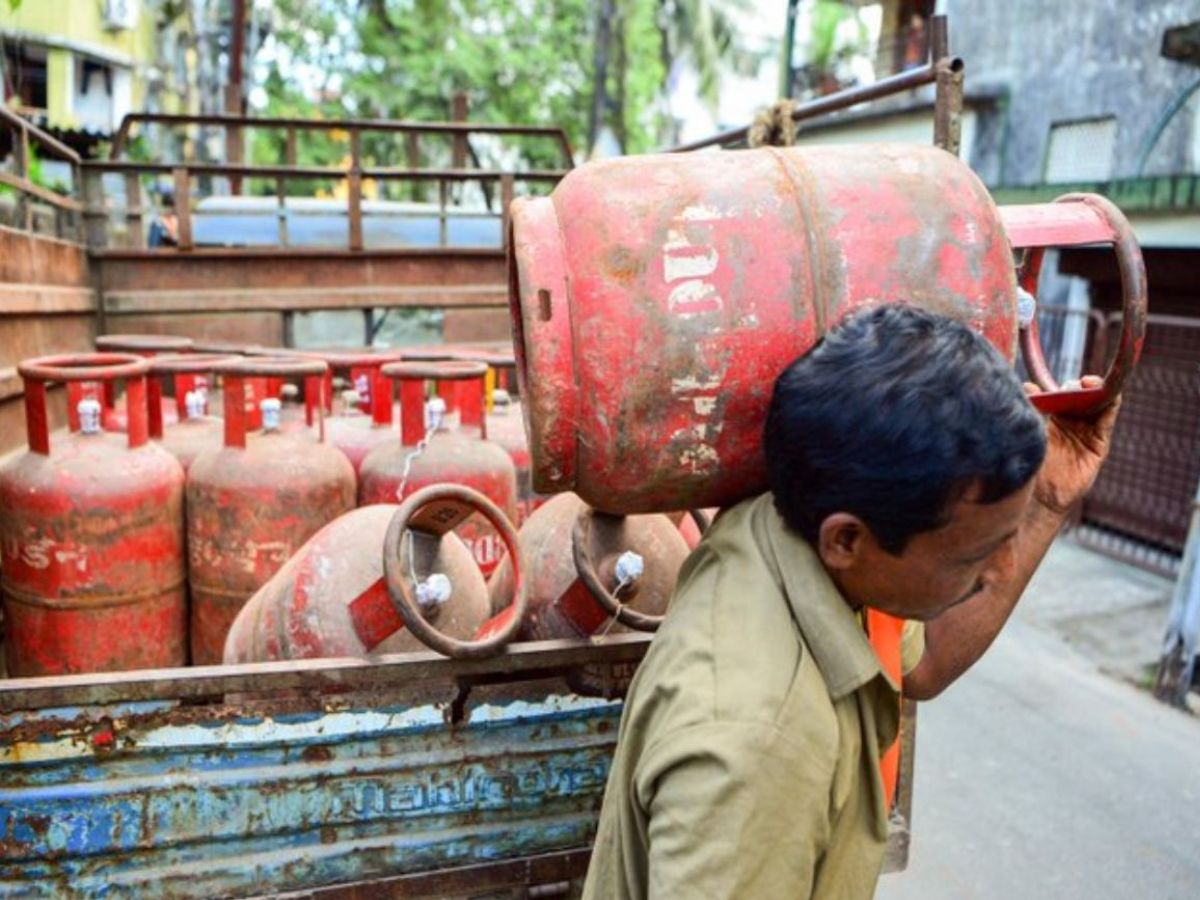
Unlike petrol and diesel, LPG prices have already started reflecting global market pressures. Reports indicate that the price of a 14.2-kg domestic LPG cylinder has been increased by around ₹60, while commercial cylinders have become costlier by about ₹115.
India is one of the world’s largest LPG importers, with 85–90% of its LPG supply coming from the Middle East. Therefore, any prolonged instability in the region can quickly push up LPG import costs and force domestic price revisions.
How Much Tax Does the Indian Government Charge on Fuel?
A major factor influencing fuel prices in India is taxation. Petrol and diesel are not included under the Goods and Services Tax (GST) system. Instead, they are taxed separately by both the central and state governments.
The pricing structure of petrol and diesel includes several components: the base price of crude oil, refinery processing cost, freight charges, dealer commission, central excise duty, and state-level VAT (Value Added Tax).
Taxes account for a significant share of the retail price of fuel. Estimates suggest that taxes constitute about 55% of the retail price of petrol and nearly 50% of diesel prices in India.
The central government collects excise duty on fuel, while state governments impose VAT or sales tax, which varies across states. For example, the central excise duty alone has been around ₹19–20 per litre on petrol and about ₹15–16 per litre on diesel, though these figures are periodically revised.
In addition to this, states levy VAT ranging from around 20% to over 30% depending on the state, further increasing the retail price of fuel.
Domestic LPG, on the other hand, is partially subsidized for certain consumers under government welfare schemes, which sometimes shields households from the full impact of global price fluctuations.
The Bigger Economic Picture
If the Iran–Israel–U.S. conflict continues or intensifies, the consequences for India could extend beyond fuel prices. Rising oil costs could push up transportation expenses, manufacturing costs, and food prices, thereby increasing overall inflation.
For now, the Indian government appears to be trying to shield consumers from immediate price shocks. But if global crude prices continue to rise sharply or supply disruptions worsen, increases in petrol, diesel, and LPG prices may eventually become unavoidable.
In a country where fuel prices directly influence the cost of living, the unfolding conflict in West Asia is not just a geopolitical event—it could soon become an economic reality for millions of Indian households.

I’m a Senior Journalist as well as an established writer on India as well as international and have worked across a huge segment based in India and even abroad