





Doda Tragedy: 10 Soldiers Killed as Army Vehicle Plunges into Gorge in J&K
Ten Indian Army soldiers died on Thursday, January 22, 2026, when their vehicle plunged into a deep gorge in Jammu and Kashmir’s Doda district. This tragic event highlights the extreme dangers of high-altitude military operations. The accident now raises urgent questions about safety protocols and the state of military transport.
The Incident at Khanni Top
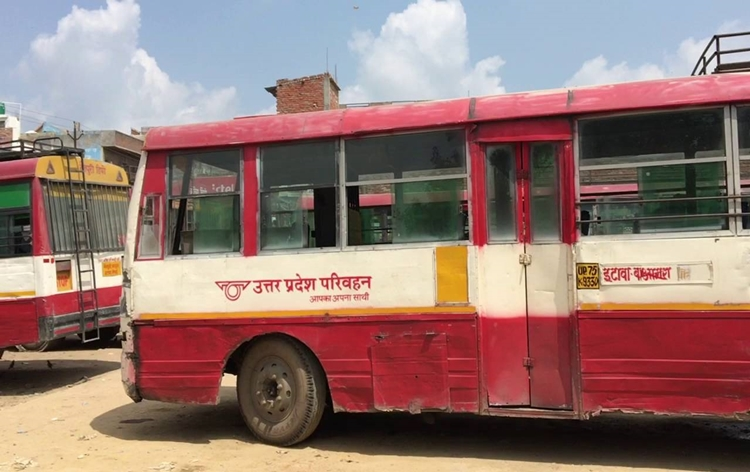
The vehicle belonged to a convoy traveling toward a high-altitude post in the rugged Kishtwar-Doda belt. It carried 17 personnel when the driver lost control on a narrow, treacherous road near Khanni Top. The vehicle سپس plummeted 200 feet into a rocky ravine, causing immediate fatalities.
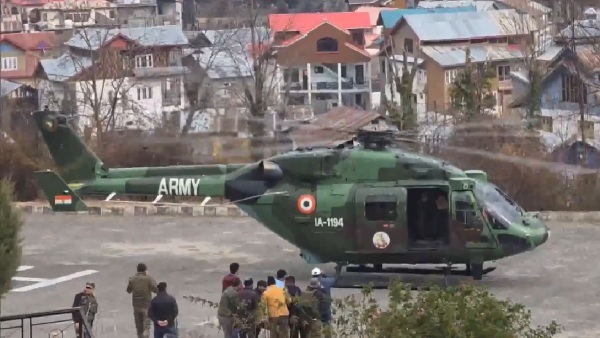
Local residents and emergency teams reached the site despite harsh weather and freezing temperatures. Rescuers saved seven soldiers who suffered severe injuries. The Army then airlifted them to the Command Hospital in Udhampur for specialized care. Sadly, ten brave personnel died at the scene before medical help could reach them.
Growing Concerns of Infrastructure Negligence
Doda’s terrain is notoriously difficult, yet initial reports suggest possible negligence. Local observers claim this specific road stretch lacked essential crash barriers. These barriers are vital to prevent falls in landslide-prone zones. For years, residents have asked for better road safety in this interstate corridor, yet gaps remain.
Military experts now question the age and maintenance of the transport vehicle used in this mission. Some wonder if the vehicle carried too much weight for such a steep gradient. Others suspect mechanical failure caused the driver to lose control at a critical turn. The Army has ordered a high-level Court of Inquiry to investigate these factors. This probe will determine if the team ignored safety SOPs during the transit.
The Perilous Terrain of the Kishtwar-Doda Belt
The Doda and Kishtwar districts feature some of the most dangerous roads in the world. Deep gorges and narrow passes define the landscape. Landslides and sudden snow further complicate travel. For the Indian Army, these roads are a lifeline for forward posts near the border.
Despite the strategic importance, the infrastructure often fails to keep pace with the needs of heavy military movement. Convoy drivers face immense pressure to reach high-altitude posts within tight windows. When roads lack basic safety features like parapets or modern lighting, the margin for error disappears completely.
A Pattern of Himalayan Accidents
This tragedy follows several similar accidents in the Himalayas over recent years. Extreme weather and unpredictable roads create a high-risk environment for troop movements. In 2024 and 2025, several transport incidents occurred in nearby regions, claiming lives during routine shifts.
This massive loss of life has now sparked calls for a safety overhaul. Experts suggest that the Army must prioritize modern, all-terrain vehicles for such zones. Relying on older transport models in the “death zones” of the Himalayas is no longer sustainable. Furthermore, the Border Roads Organization (BRO) faces pressure to install reinforced barriers on every sharp curve in the Doda-Bhaderwah stretch.
The Impact on Local Communities
The local people of Doda were the first to respond to the crash. Using ropes and basic tools, they climbed down the 200-foot slope to pull survivors from the wreckage. This bond between the Army and the local population is strong in J&K. However, these recurring tragedies leave a deep scar on the community.
Many locals argue that the government has neglected these hilly roads for too long. While major highways receive funding, the smaller links to high-altitude posts remain deathtraps. This incident serves as a grim reminder that infrastructure failure is a national security risk.
The National Response and Mourning
The Army has notified the families of the fallen soldiers. Today, the entire nation mourns these dedicated servicemen who died not in combat, but due to a tragic accident. Leaders from across the political spectrum have expressed their grief and demanded a thorough investigation.
The Court of Inquiry will focus on the driver’s logs and the vehicle’s service history. It will also look at the weather reports provided to the convoy before they departed. If negligence is found, either in maintenance or in road management, the public expects accountability.
Modernizing Mountain Logistics
Moving forward, the Indian Army may need to rethink its logistics in the Northern Command. Experts propose the use of more light-weight, high-torque vehicles specifically designed for 9,000-foot altitudes. Additionally, training for convoy drivers must include specialized “skid control” modules for icy conditions.
Technology could also play a role. Installing sensors on dangerous turns could alert drivers to upcoming hazards or slippery patches. For now, the focus remains on the survivors at the Udhampur hospital. The nation prays for their speedy recovery while honoring those who made the supreme sacrifice in the line of duty.

NewsHasghag operates a 24/7 news bureau that tracks the real-time, social media-driven stories from India and around the world, keeping you ahead of the day’s key talking points. Our digital-first approach transforms storytelling through the seamless integration of data, interactive charts, video, and audio into every narrative