


CBI Cracks Down on NEET-UG 2026 Leak: Arrest of Alleged ‘Kingpin’ Raises Fresh Questions on India’s Exam System
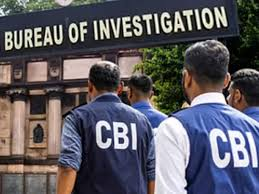
The arrest of an alleged “kingpin” in the NEET-UG 2026 paper leak case has once again exposed the deep vulnerabilities in India’s high-stakes examination ecosystem. The Central Bureau of Investigation (CBI) on Friday arrested Pune-based chemistry lecturer P.V. Kulkarni, accusing him of orchestrating the leak of the National Eligibility cum Entrance Test (NEET-UG) question paper before the May 3 examination.
According to the CBI, Kulkarni was directly associated with the examination process through the National Testing Agency (NTA), giving him access to confidential question papers. Investigators claim he used this insider access to conduct secret coaching sessions for selected students in Pune during the final week before the exam. During these sessions, he allegedly dictated actual questions, answer options, and correct responses, which students copied into notebooks. The CBI says these handwritten notes “exactly matched” the final NEET-UG 2026 paper.
The arrest marks a major escalation in the scandal, which has already shaken the confidence of nearly 23 lakh aspirants and their families across India. Earlier, the government cancelled the NEET-UG 2026 examination after evidence of a leak surfaced, triggering widespread outrage, protests, and demands for accountability.
Insider Access and Organized Networks
What makes the latest revelation especially alarming is the alleged insider involvement. Unlike previous paper leak cases that often involved coaching mafias or local middlemen, this case appears to involve someone directly linked to the exam system itself. Investigators are now probing whether a wider network of public servants, coaching operators, and intermediaries helped circulate the leaked paper.
CBI officials have so far arrested multiple accused from Rajasthan, Maharashtra, Haryana, and other states. The agency suspects that the leaked paper was sold under the guise of “guess papers” for amounts reportedly ranging from ₹10 lakh to ₹25 lakh.
Reports also indicate that digital methods such as scanning papers into PDFs and circulating them through closed groups may have been used. This reflects a troubling evolution in examination fraud — from physical leaks to technology-enabled organized crime.
A Crisis Bigger Than One Exam
The NEET scandal is not an isolated incident. India has witnessed repeated paper leak controversies in recruitment and entrance examinations over the past decade. From SSC and railway recruitment exams to state-level police and teacher eligibility tests, paper leaks have increasingly become a parallel underground industry.
The core problem lies in the enormous pressure attached to competitive exams. NEET alone determines entry into India’s limited MBBS seats, creating a system where desperation, money, and corruption intersect. Experts argue that unless structural reforms are introduced, arrests alone will not solve the crisis.
The Union Education Ministry has already announced that NEET may shift to a computer-based test (CBT) format from next year to reduce risks associated with physical paper handling. However, critics point out that technology by itself cannot guarantee fairness unless accompanied by stricter accountability, real-time monitoring, encrypted distribution systems, and transparent audits.
Trust Deficit Among Students
Perhaps the biggest casualty of recurring leaks is public trust. For lakhs of students preparing honestly for years, such scandals create emotional devastation and a sense of helplessness. Many aspirants from middle-class and rural backgrounds see NEET as their only pathway to social mobility. When papers leak, merit itself comes under suspicion.
The CBI’s arrest of the alleged mastermind may be projected as a breakthrough, but the larger challenge remains restoring faith in the examination system. Unless authorities identify the complete chain of beneficiaries and enforce exemplary punishment, each new leak will continue to deepen the perception that India’s competitive exams are increasingly vulnerable to manipulation.
The NEET-UG 2026 scandal has therefore become more than a criminal investigation — it is now a test of institutional credibility itself.

Prabha Gupta is a veteran journalist and civic thinker dedicated to the constitutional ideals of dignity and institutional ethics. With over thirty years of experience in public communication, her work serves as a bridge between India’s civil society and its democratic institutions. She is a prominent voice on the evolution of Indian citizenship, advocating for a national discourse rooted in integrity and the empowerment of the common citizen