




US Corn Imports Bangladesh Controversy: The Dirty Trade Deal
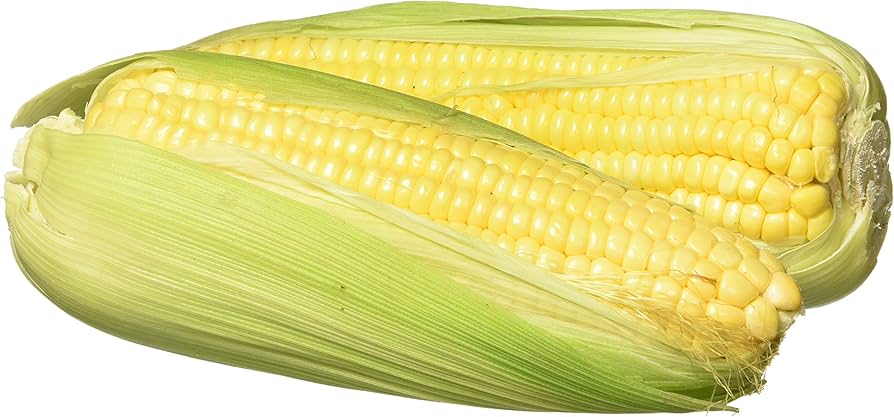
A recent announcement by the US Embassy in Dhaka regarding the shipment of American corn to Bangladesh has ignited a firestorm of social media backlash. While intended as a celebratory post about agricultural cooperation, the digital discourse quickly shifted toward a sensitive cultural detail: the use of pig manure as fertilizer in US corn cultivation. In a Muslim-majority nation where porcine products are strictly haram, this detail has touched a deep religious nerve. However, beneath the viral mockery lies a much larger story of geopolitical pressure, trade deficits, and a desperate struggle to protect Bangladesh’s textile industry.
The “Pig Manure” Backlash: Religious Sensitivity in Focus
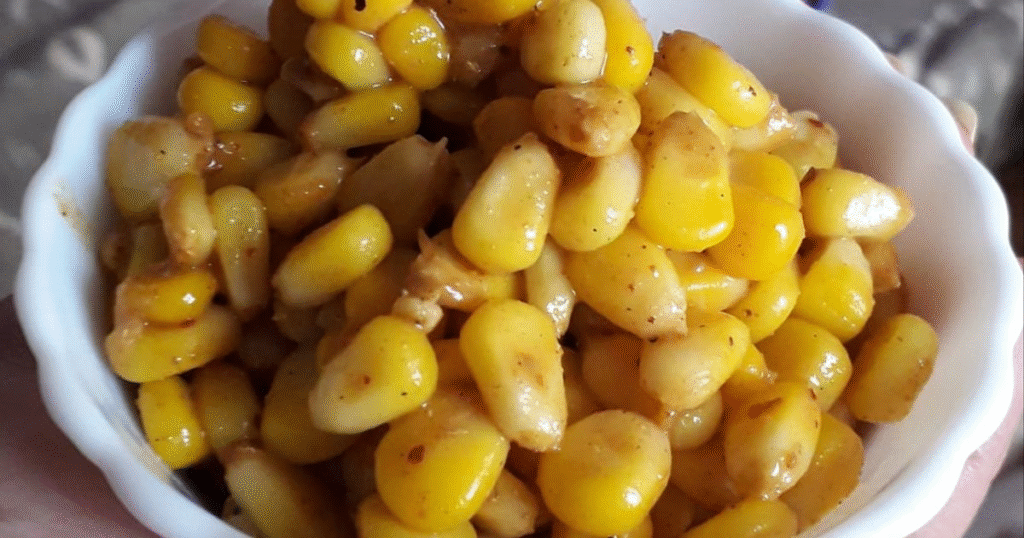
The controversy began when social media users pointed out that pig manure is a standard organic fertilizer used to boost corn yields in the United States. For many in Bangladesh, the thought of consuming corn—or poultry fed on such corn—raised serious religious concerns. This is not the first time such an issue has surfaced. Years ago, Bangladesh banned Meat and Bone Meal (MBM) after pork traces were found in imported animal feed.
The US Embassy’s tweet emphasized that American corn serves as a key ingredient for staples like breakfast cereals and animal feed. However, by failing to address the “culturally sensitive” nature of US farming practices, the communication inadvertently unearthed a cultural fault line. As of now, the Embassy has remained silent on the wave of criticism, but the damage to public perception is evident.
The Economic Trade-Off: Why Bangladesh is Importing US Corn
If the cultural sensitivity is so high, why did the interim government approve these imports? The answer lies in the $6 billion trade deficit Bangladesh holds with the United States.
Earlier in 2025, the US administration under Donald Trump initially imposed a staggering 37% tariff on Bangladeshi textile exports. Given that textiles account for nearly 80% of Bangladesh’s total exports, this move threatened to collapse the national economy. Following high-level diplomacy, Interim Chief Muhammad Yunus successfully negotiated a reduction of these tariffs to 20%.
The price for this relief was a pledge to significantly increase the import of American agricultural products, including:
- Wheat: 220,000 metric tons recently approved.
- Corn: The current controversial shipment.
- Soybeans: Expected to follow in large volumes.
Consequently, the import of US corn is not merely an agricultural choice; it is a geopolitical necessity to keep the garment industry alive.
The Indian Contrast: A Different Strategic Approach
Interestingly, Bangladesh’s neighbor, India, has taken a much firmer stance against US corn pressure. India has resisted large-scale market access for American corn to protect its own small-scale farmers. While India may allow limited imports strictly for ethanol production, it has refused to compromise its local food chain. Bangladesh, lacking the same economic leverage, has been forced to accept a deal that involves importing a product that faces significant domestic resistance.
The Impact on the Poultry and Food Industry
The economic impact of this controversy will be felt most acutely in the poultry and dairy sectors. Corn is a primary ingredient in animal feed. If the Bangladeshi public begins to perceive local meat and eggs as “contaminated” by association with pig-manure-grown corn, it could trigger a massive drop in demand. This creates a “Double-Edged Sword” for the government:
- The Pro: Lowering US tariffs protects garment jobs.
- The Con: Alienating the domestic consumer base could harm the local agriculture and poultry economy.
Balancing Faith and Finance
The “Pig Poop” controversy is a classic example of how global trade ignores local sentiment. For the US, corn is an export glut that needs a market. For the Bangladesh government, it is a “ransom” paid to protect the textile sector. However, for the common citizen, it is a matter of religious integrity.
In 2026, the success of the Yunus-Trump trade deal will depend on how well these cultural sensitivities are managed. Moving forward, the US may need to provide “Manure-Free” certifications or alternative farming data to appease the Bangladeshi market. Until then, the corn on its way to Dhaka remains a symbol of the difficult compromises required in modern global economics.

Prabha Gupta is a veteran journalist and civic thinker dedicated to the constitutional ideals of dignity and institutional ethics. With over thirty years of experience in public communication, her work serves as a bridge between India’s civil society and its democratic institutions. She is a prominent voice on the evolution of Indian citizenship, advocating for a national discourse rooted in integrity and the empowerment of the common citizen