


Iran Labels Protesters ‘Enemies of God’ and Threatens Death Penalty
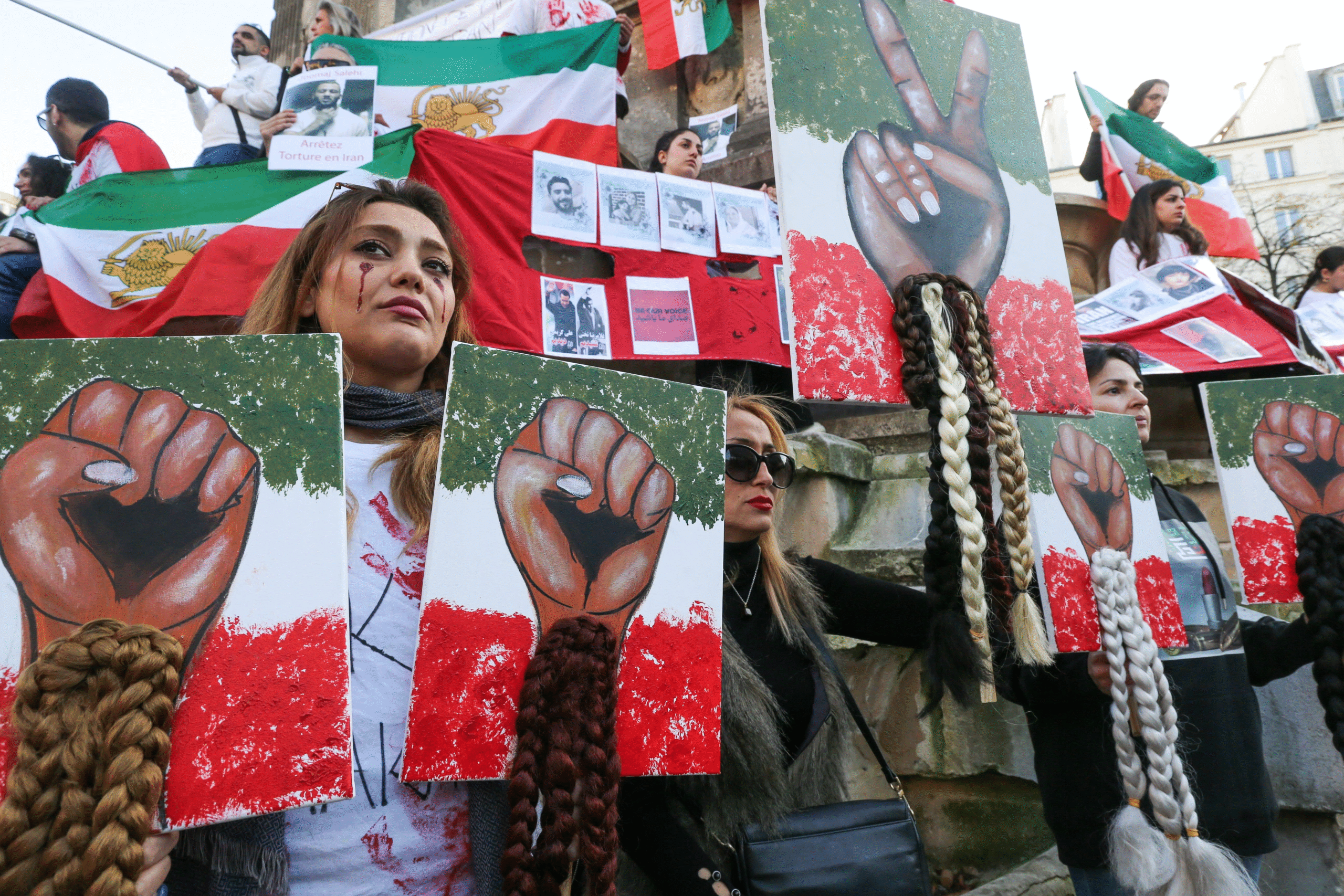
The current wave of unrest in Iran is fundamentally driven by a catastrophic economic collapse and a deep-seated rejection of the ruling theocracy. While the 2022-2023 “Woman, Life, Freedom” movement was ignited by the tragic death of Mahsa Amini and social grievances over mandatory hijab laws.
The 2026 protests were sparked by the freefall of the Iranian rial and soaring inflation that has exceeded 50%. Long-standing public anger over systemic corruption, severe energy shortages, and the government’s prioritization of regional military proxies over domestic welfare has now unified a broad coalition—ranging from bazaar merchants to working-class laborers and students. This widespread discontent has evolved from an outcry for economic reform into an ideological demand for regime change, as many Iranians increasingly believe the current system is beyond repair.
The Digital Iron Curtain and the “Enemies of God”: Iran’s Draconian Shift
Iran’s judiciary has sharply escalated its response to nationwide protests by labeling demonstrators as “Enemies of God” (Moharebeh). This specific legal charge carries the death penalty under Iranian law. Authorities issued this warning as the country faces its most significant unrest in years. This current wave of anger stems from a collapsing economy, record-high inflation, and a deep-seated rejection of the ruling theocracy.
Violence Escalates as Casualties Rise
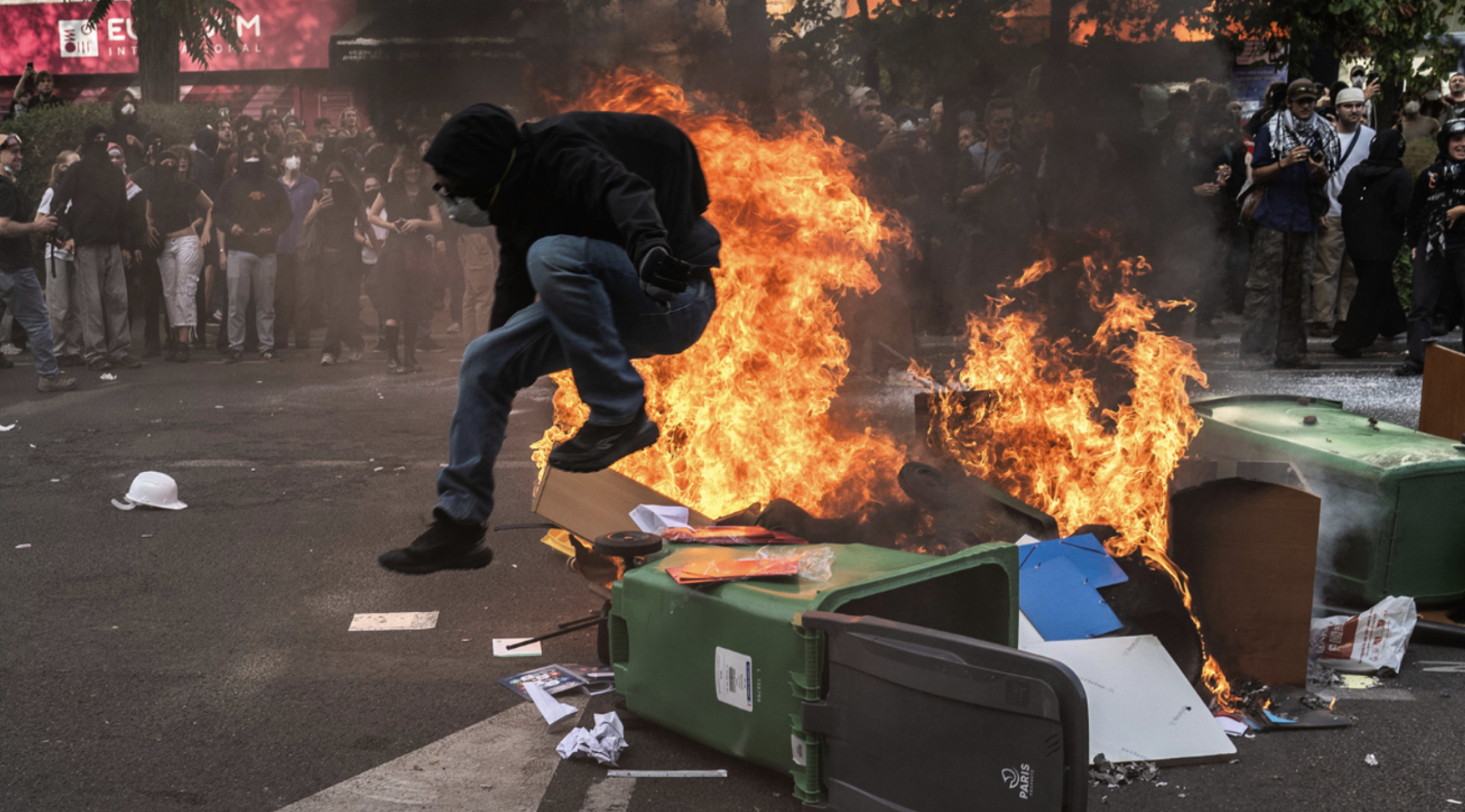
The crackdown has already turned deadly. The US-based Human Rights Activists News Agency (HRANA) reports that security forces have killed at least 65 people. During these clashes, police and paramilitary units have detained over 2,300 individuals. This group includes students, activists, and even bystanders. Human rights monitors warn that the state is using these mass arrests to decapitate the protest movement’s leadership.
Tehran Falls into Digital Silence
The government has also moved to blind the world to these events. Authorities implemented a sweeping internet blackout in Tehran and other major hubs. Since Thursday, phone lines and mobile networks have remained cut off. This digital “iron curtain” prevents protesters from coordinating their rallies. It also stops activists from sharing footage of police violence with the international community.
State Rhetoric Signals Lethal Intent
Judicial officials are no longer treating these rallies as mere civil disobedience. By invoking the term Moharebeh, the state defines dissent as a divine offense. Legal experts note that this designation often leads to expedited trials and public executions. Supreme Leader Ayatollah Ali Khamenei has branded the demonstrators as “vandals” and “saboteurs.” He continues to blame external powers for the domestic turmoil.
International Community Expresses Alarm
Global leaders and United Nations officials have voiced grave concerns over the brewing humanitarian crisis. They fear the communication blackout masks even greater levels of state-sanctioned violence. Organizations like Amnesty International are calling for immediate intervention. They argue that the threat of capital punishment for peaceful assembly violates fundamental international laws. Without digital access, the true scale of the tragedy remains unknown.

Prabha Gupta is a veteran journalist and civic thinker dedicated to the constitutional ideals of dignity and institutional ethics. With over thirty years of experience in public communication, her work serves as a bridge between India’s civil society and its democratic institutions. She is a prominent voice on the evolution of Indian citizenship, advocating for a national discourse rooted in integrity and the empowerment of the common citizen