




Oscar Winning Composer Rahman’s reactions over power shift in Hindi Film Industry Sparks Wide-Spread Conversations
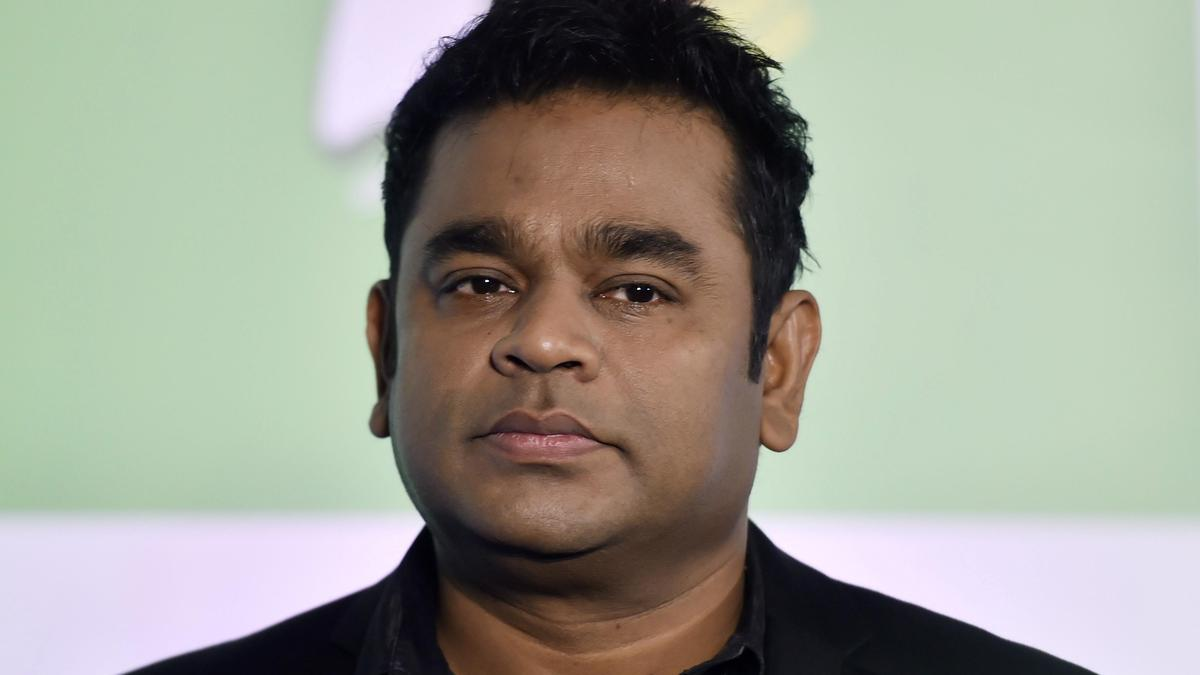
Mumbai, India — Oscar-winning composer A.R. Rahman has sparked debate after suggesting that the Hindi film industry has undergone significant changes over the past eight years, with reduced work opportunities for him potentially linked to shifting power dynamics and even communal factors.
In a recent interview with BBC Asian Network, the 59-year-old music maestro said that while he never felt prejudice early in his career, the last eight years have seen decision-making power in Bollywood move away from creative voices. Rahman hinted that this shift might have a communal undertone, though he stressed it was never “directly in his face” and came to him more like rumours.
‘People Who Are Not Creative Have the Power Now’
Rahman explained that he has noticed a decline in Hindi film projects offered to him in recent years. He attributed this to a “power shift” where individuals lacking creative backgrounds now hold significant influence over music decisions in the industry. Rahman said that sometimes he hears “Chinese whispers” about being considered for a project that eventually goes to other composers.
Despite the slowdown, Rahman maintained a philosophical outlook, saying he prefers not to actively chase work. “I’m not in search of work. I want work to come to me… Whatever I deserve, I get,” he said.
First Southern Composer to Make It in Bollywood
Reflecting on his long journey, Rahman said he was the first major music composer from South India to enter the Hindi film industry and sustain his success. While his early hits — including classics like Roja (1991), Bombay (1995) and Dil Se.. (1998) — became popular nationwide, it was Subhash Ghai’s Taal (1999) that made him a household name in the Hindi belt.
He also spoke about initial cultural challenges, such as not speaking Hindi, which led him to learn Urdu and later Punjabi to better connect with diverse audiences.
Even saying, “ Have to Think about Creativity First, Money Later
Reacting to Rahman’s remarks, Hariharan even describes the current ecosystem neither black nor white
The Oscar winning composer even revealed that over the past eight years, the amount of work coming his way has reduced, a change he attributes to a shift in who holds decision making power.
As Rahman said “People who are not creative have the power now to decide things,” Rahman said, adding that the shift may also have a communal undertone, though never directly expressed. “It comes to me as Chinese whispers that they booked you, but the music company went ahead and hired their five composers.” Said renowned Bollywood musician, who was also the first composer from the South to enter and survive in the Hindi film industry,
Responding in his characteristic calm tone he remarked. “I said, ‘ Oh, that’s great, rest for me, I can chill out with my family.'”
Reacting to Rahman’s remarks, legendary singer Hariharan described the current ecosystem neither black nor white.
“It’s a grey area,” he said. “I really wish there were more creative people, or at least people who genuinely understand music, taking these calls.” Hariharan stressed that sensitivity to music must come before commercial considerations. “You have to think about creativity first and money later. If you only think of money when it comes to art, then who knows what the future will be.”
In this regard, Composer and singer Leslie Lewis agreed that a power shift has indeed taken place but believes it has happened organically. “There has been a shift in the music industry itself,” he said. “It’s not just the old players anymore. New people with new thoughts have come in, and digital platforms have changed the parameters completely.”
Lewis also pointed out that platforms like YouTube and Instagram have allowed artists to become their own labels, increasing output but also corporatising decision making.
“Earlier, the people judging us had experience and creative instinct. Today, it’s very corporate. The person taking the call is often making sure their job is secure. They may love music, but they don’t always have the experience to decide who the right artist is,” he explained.
Despite their concerns, both these musicians believe change is possible through artist led initiatives. That belief came together with the launch of Goongoonalo, a new music platform unveiled in Mumbai. Designed to empower artists with ownership of their music, the platform launched with 100 original tracks and enables musicians, composers, and lyricists to collaborate as equal stakeholders.
Esteemed artists like Javed Akhtar and Shankar Mahadevan have welcomed Goongoonalo as a vital step towards restoring creative freedom and true artistic investment in the music industry.
These reactions underline the complexity of Rahman’s comments and the broader conversation about inclusivity, merit and creative control in Bollywood.
For one of India’s most celebrated music figures, speaking openly on such issues is rare — and it has sparked both support and critique across Bollywood and beyond.

NewsHasghag operates a 24/7 news bureau that tracks the real-time, social media-driven stories from India and around the world, keeping you ahead of the day’s key talking points. Our digital-first approach transforms storytelling through the seamless integration of data, interactive charts, video, and audio into every narrative