




The Toxic Truth of Everyday Life
A swipe of lipstick. A careful line of kajal. The faint smell of fresh paint on a wall. The hum of an inverter battery. Outside, traffic fumes rise into the air. Inside homes, cleaning agents evaporate into invisible vapours.
Nothing feels unusual. And yet, for many, these everyday interactions are no longer routine. They are increasingly viewed through a lens of concern—of toxins, contamination, and long-term harm.
That concern is not emerging in a vacuum.
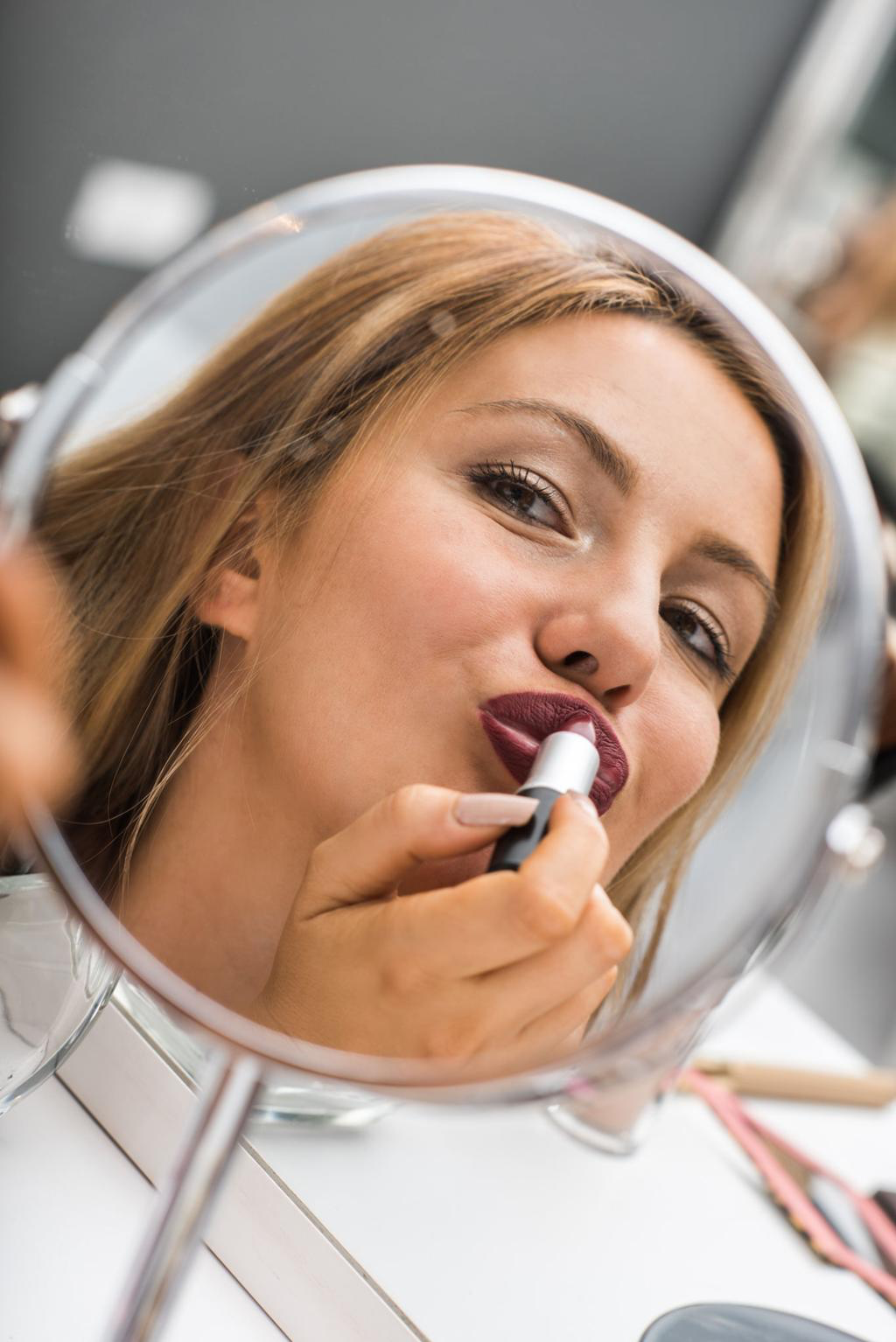
In recent years, scattered but significant incidents have reinforced public anxiety. Dermatologists across urban India report a steady rise in contact dermatitis cases linked to cosmetic products—rashes, pigmentation, and allergic reactions triggered by certain lipsticks and eye products. In some cases, users have reported lip darkening, swelling, and irritation, particularly with low-cost or unregulated brands.
Kajal, a cultural staple, has also come under scrutiny. Health advisories in multiple countries, including the United States and parts of Europe, have flagged traditional kohl products for high lead content. In India, pediatricians have occasionally raised concerns about prolonged use of such products in infants, where lead exposure—however small but repeated—can affect neurological development over time.
The risks are not limited to cosmetics alone.
Indoor exposure has its own story. Fresh paints and cleaning agents release volatile organic compounds (VOCs), which have been linked in studies to headaches, dizziness, and respiratory irritation, particularly in poorly ventilated homes. In extreme cases, prolonged exposure in enclosed spaces has triggered breathing difficulties among vulnerable groups such as children and the elderly.
Step outside, and the scale of exposure multiplies. Air pollution episodes in cities like Delhi have repeatedly led to spikes in eye irritation, skin sensitivity, and respiratory distress, with hospitals reporting increased outpatient visits during peak smog periods.
These are not isolated anomalies. They are patterns—small, everyday health signals that shape public perception.
What’s Really Inside: Understanding Risks in Lipstick and Kajal
Not all fears are unfounded. Cosmetics, like any manufactured product, contain chemicals—some essential, some controversial.
Lipsticks, for instance, are made using waxes, oils, pigments, and preservatives. Certain ingredients have drawn scrutiny over time:
- Lead (trace contamination):
While not intentionally added, trace levels have been detected in some products. Regulators like the U.S. Food and Drug Administration maintain that these remain within safe limits. However, repeated exposure through daily use—especially from unregulated products—has raised long-term safety questions. - Parabens:
Widely used as preservatives, parabens have been debated for their potential hormonal effects, though most global authorities consider them safe within prescribed limits. - Phthalates:
Certain variants have been restricted in multiple countries due to possible endocrine-disrupting properties.
Kajal presents a more complex challenge
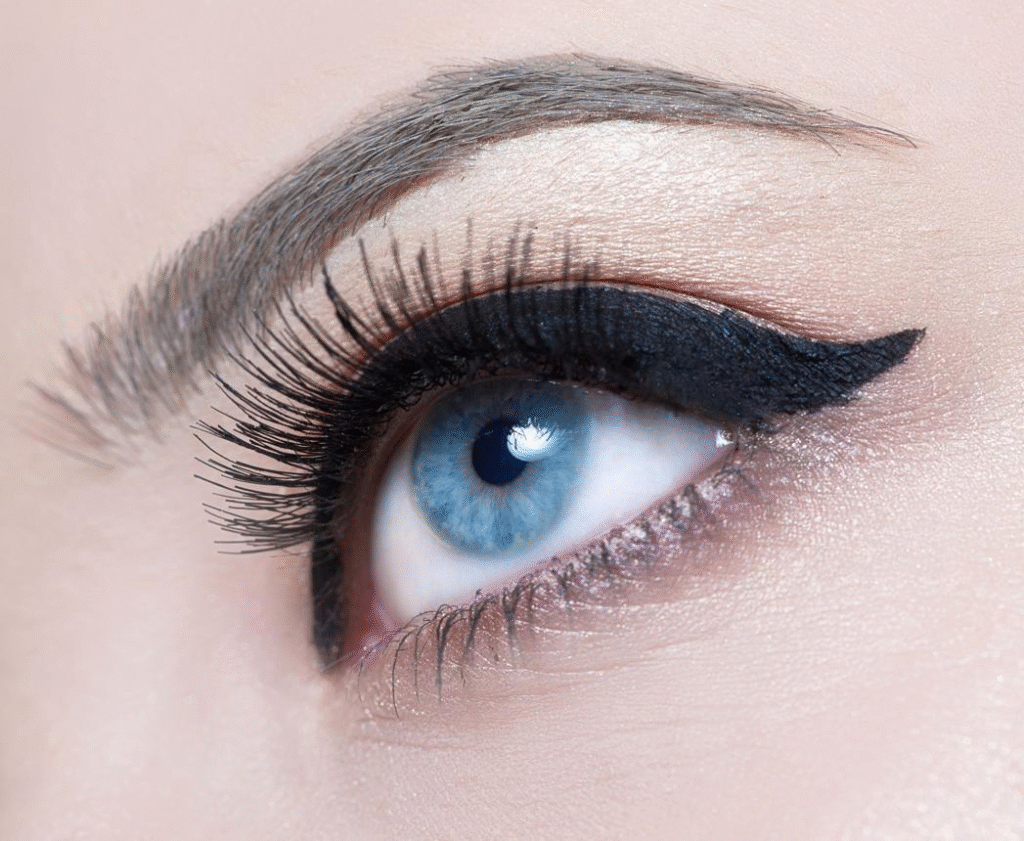
Traditional formulations, particularly unregulated or homemade variants, have been found in some studies to contain elevated levels of lead. This becomes especially concerning when used frequently or applied to children, where even low-dose exposure over time may carry developmental risks.
Modern, regulated products are significantly safer. But the market remains uneven—where branded safety coexists with unregulated supply.
People are not imagining environmental problems. They are experiencing them.
Air pollution irritates the eyes and lungs. Water quality varies widely. Skin reactions from products are real. These lived experiences create a foundation of doubt—about safety, about regulation, about oversight.
And in that space, misinformation finds easy entry.
It takes isolated incidents and amplifies them into universal truths. It turns caution into fear, and fear into distrust. It blurs the line between scientifically validated risks and unverified claims.
The modern world is not risk-free. Exposure to chemicals—whether through air, water, or consumer products—is a reality of contemporary life.

NewsHasghag operates a 24/7 news bureau that tracks the real-time, social media-driven stories from India and around the world, keeping you ahead of the day’s key talking points. Our digital-first approach transforms storytelling through the seamless integration of data, interactive charts, video, and audio into every narrative