



Under the Radar: Alleged Bribery in Drone Approvals Raises Red Flags in a Booming Industry
As India’s drone ambitions rise, a CBI probe puts regulatory integrity under scrutiny
In a sector driven by innovation and speed, regulation often works quietly in the background. But when that system is questioned, the consequences can ripple far beyond a single case. Recent developments in India’s drone sector have done exactly that.
A probe by the Central Bureau of Investigation (CBI) has brought to light allegations of bribery in drone import approvals, involving a senior official of the aviation regulator and a corporate executive. According to reports by Reuters https://www.reuters.com/world/india/india-arrests-officials-aviation-regulator-reliance-drone-bribery-probe-2026-04-20/?utm_source=chatgpt.com and The Indian Express, the accused were allegedly involved in facilitating approvals in exchange for illegal payments, raising concerns about the integrity of regulatory processes in a fast-growing industry.
The investigation has revealed details that go beyond mere suspicion. As reported by NDTV
CBI Arrests Aviation Body Official In Rs 2.5 Lakh Bribery Case
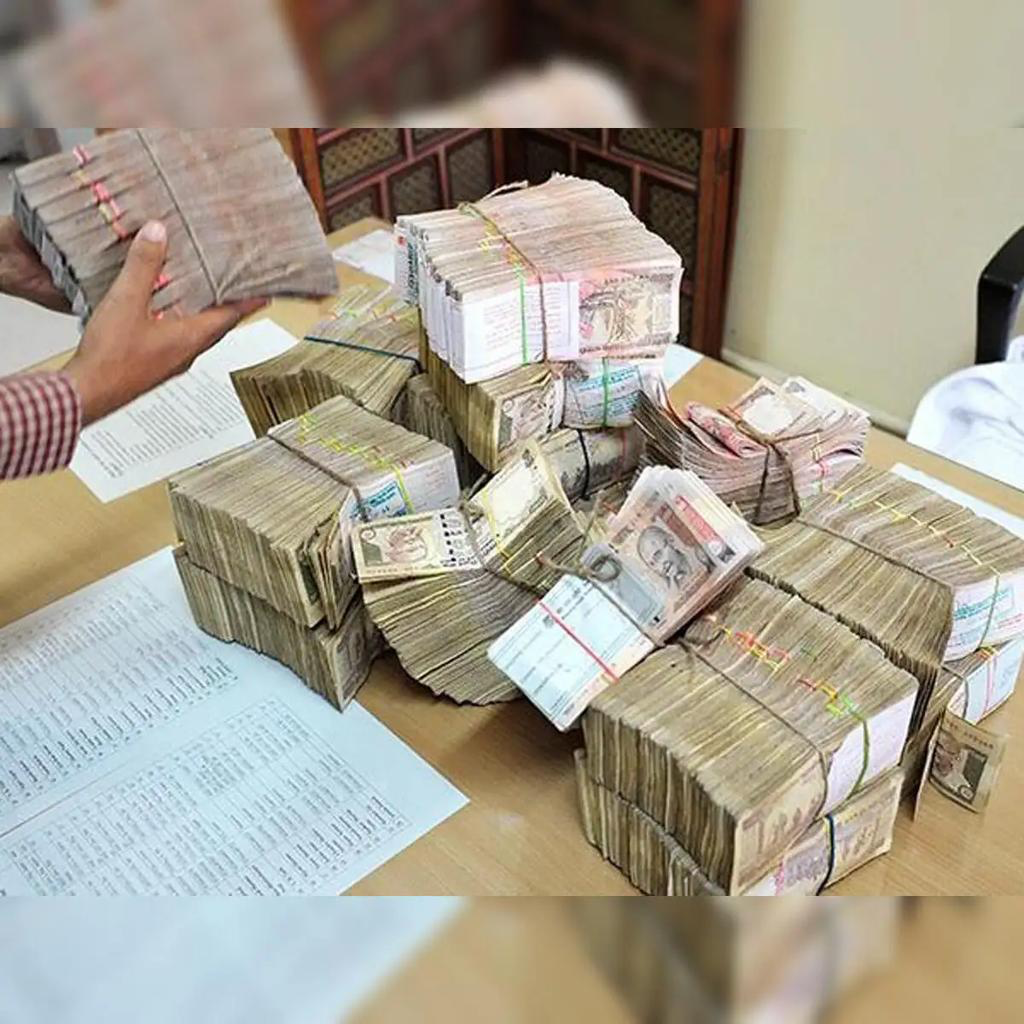
and The Week, Rs 37 lakh cash, gold seized: Why CBI arrested DGCA official in bribery case officials were allegedly caught during a trap operation involving a bribe of around ₹2.5 lakh. Subsequent searches reportedly led to the recovery of nearly ₹37 lakh in cash, along with gold, silver, and digital devices. These findings, while still under judicial scrutiny, suggest that the probe is based on tangible evidence rather than speculation.
Further details cited by Mint indicate that the alleged arrangement may have involved a fixed payment per file to fast-track drone import approvals. If substantiated, such a system would point to a deeper vulnerability within the approval mechanism itself.
A Sector Expanding Faster Than Its Safeguards
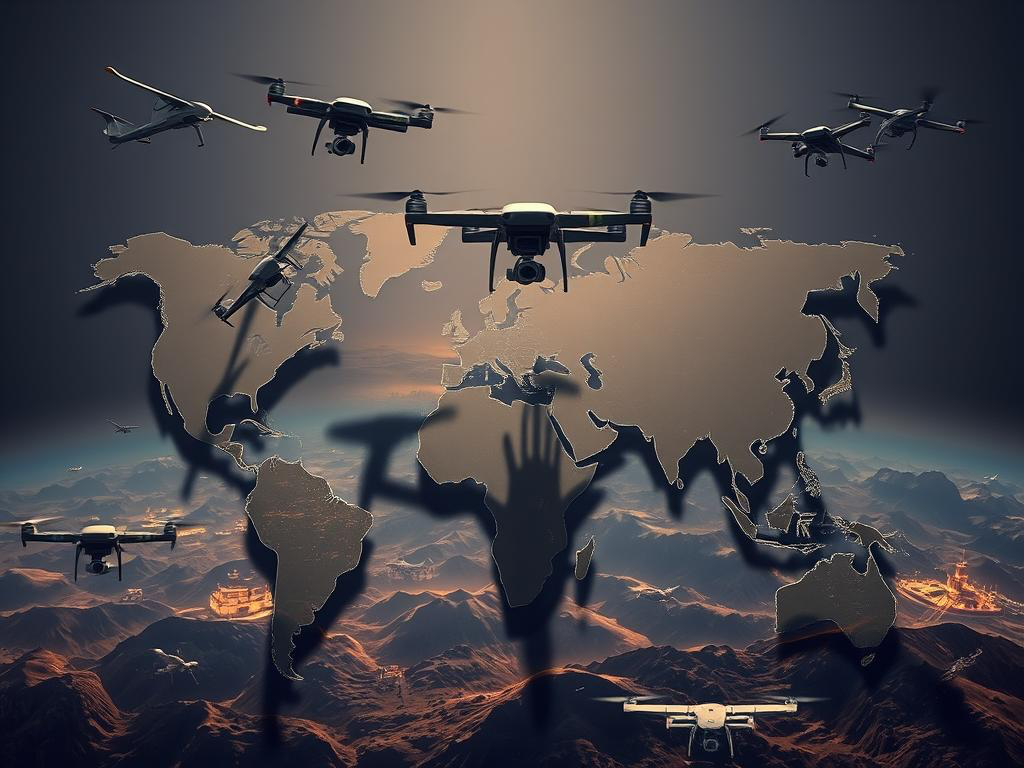
The timing of the case is critical. India’s drone industry is not only growing—it is becoming a central part of the country’s technological and economic ambitions. Drones are now widely used in agriculture, logistics, surveillance, infrastructure, and defense.
Globally, the industry has already reached a significant scale. China’s DJI dominates the commercial drone market, while U.S.-based companies such as Skydio and AeroVironment lead in advanced and defense applications. Europe’s Parrot has established a strong presence in enterprise solutions. India, through policy reforms and production-linked incentives, is attempting to build a competitive domestic ecosystem.
In such a rapidly evolving environment, the approval process becomes a critical checkpoint. Every drone import or operation must pass through regulatory scrutiny to ensure safety, compliance, and national security. However, the current case raises a fundamental question: what happens when speed begins to outweigh scrutiny?
Investigators are examining whether approvals were granted without adequate checks and whether financial incentives influenced decision-making. As Reuters has reported, the probe also highlights the pressure on regulatory bodies that are managing an increasing volume of applications with limited resources.
When Regulation Struggles to Keep Pace
The alleged bribery case reflects a broader structural challenge. Emerging sectors often grow faster than the systems designed to regulate them. Authorities are expected to promote innovation while maintaining strict oversight, but balancing these objectives is not always straightforward.
The involvement of intermediaries further complicates the process. Consultants who help companies navigate regulatory requirements can play a legitimate role, but they can also become channels of influence if oversight mechanisms are weak.
What makes this case significant is not just the alleged misconduct, but the questions it raises about institutional capacity and transparency. If regulatory systems are stretched or vulnerable, even isolated incidents can have wider implications for public trust and industry credibility.
The alleged bribery in drone approvals is more than just a corruption case under investigation. It is a test of how well India’s regulatory systems can adapt to the demands of a fast-changing technological landscape.
The evidence cited in multiple reports—arrests, cash seizures, and documented financial trails—has been sufficient to trigger serious scrutiny. Yet, it is equally important to note that the matter remains under investigation, and no conclusions have been established in a court of law.
As India continues to invest in its drone ambitions, the challenge will be to ensure that growth is matched by governance. Because in a sector built on precision and trust, the credibility of the system is as important as the technology itself.

NewsHasghag operates a 24/7 news bureau that tracks the real-time, social media-driven stories from India and around the world, keeping you ahead of the day’s key talking points. Our digital-first approach transforms storytelling through the seamless integration of data, interactive charts, video, and audio into every narrative