



Supreme Court Declines Plea to Hold NEET Re-Test in Computer-Based Mode
The Supreme Court on Monday declined to entertain a plea seeking that the upcoming NEET-UG 2026 re-examination, scheduled for June 21, be conducted in a computer-based test (CBT) format instead of the traditional pen-and-paper mode. The court also deferred further consideration of the matter until July, after the conclusion of its partial working days, effectively ensuring that the re-test will proceed in the existing format.
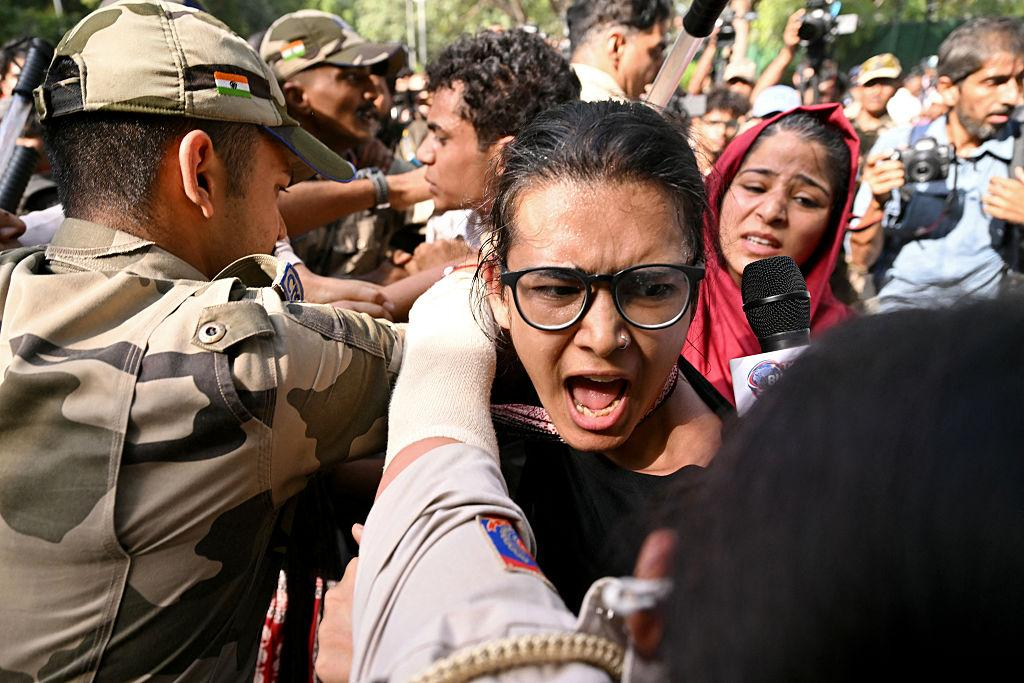
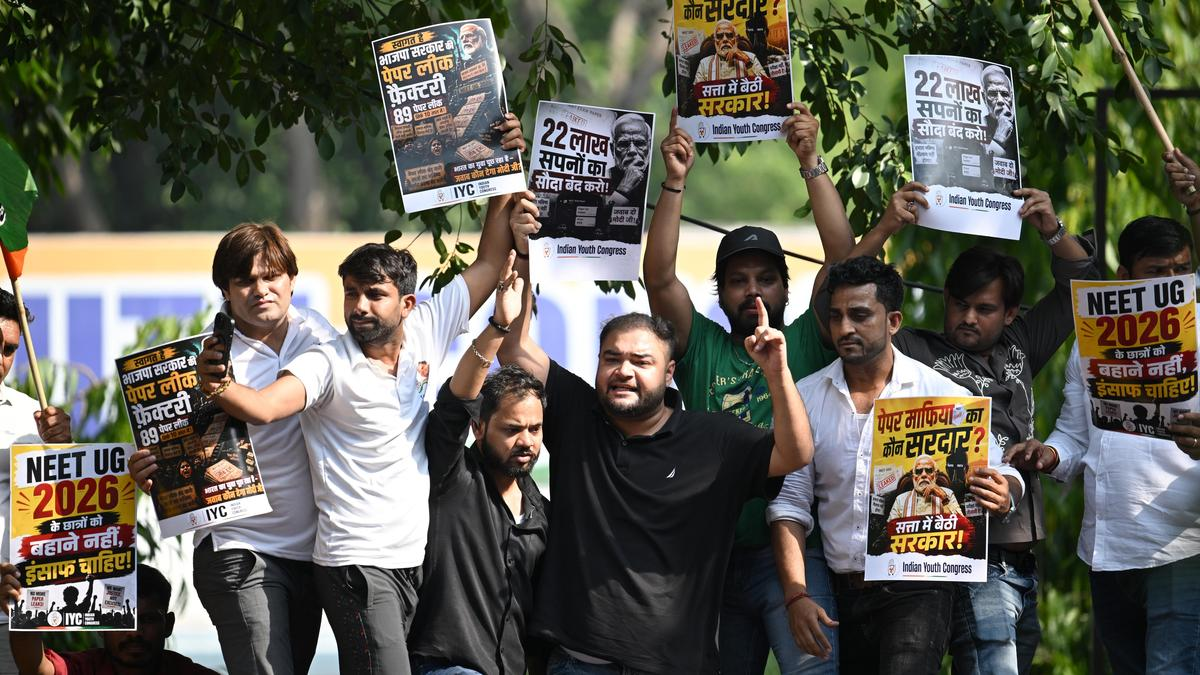
The decision comes amid continuing scrutiny of the National Testing Agency (NTA) following the cancellation of the original NEET-UG 2026 examination conducted on May 3, which was annulled after allegations of a large-scale paper leak triggered a nationwide controversy and a subsequent investigation.
A bench comprising Justice P.S. Narasimha and Justice Aravind Kumar expressed disinclination to alter the examination mechanism at a stage when preparations for the June 21 re-test are already underway. The petitioners had argued that a computer-based system would be more secure and help prevent future paper leaks and examination irregularities.
Court Prioritises Stability Over Mid-Course Changes
The court’s response highlights a broader judicial concern: balancing examination integrity with administrative feasibility. While acknowledging the larger debate around examination reforms, the bench appeared unwilling to introduce a major procedural change barely weeks before a nationwide re-test involving lakhs of candidates.
During the hearing, the court reportedly noted that similar requests had been rejected earlier and pointed to the practical challenges involved in shifting an examination of NEET’s scale to a fully digital format within a limited timeframe. The judges also observed that the NTA is already under considerable pressure following the cancellation of the examination and the arrangements required for conducting the re-test.
The petition, filed by RJD MP Sudhakar Singh and others, focused primarily on the demand for a CBT-based re-examination. However, by postponing the matter until July, the court effectively ruled out any immediate intervention before the June 21 examination date.
For students, the decision brings a degree of certainty after weeks of confusion, speculation, and anxiety. A sudden change in examination mode would have required candidates to adapt not only to a new testing system but also to a different pattern of time management and question navigation.
Bigger Questions on NEET Reform Remain Unanswered
Although the court refused to alter the format of the upcoming re-test, the larger issue of examination reform remains very much alive. The demand for computer-based testing gained momentum after allegations that the paper-based system remains vulnerable to leaks, impersonation, and logistical manipulation.
Supporters of CBT argue that digital examinations offer stronger encryption, real-time monitoring, randomized question sequencing, and reduced risk of physical paper leakage. Several major entrance examinations in India, including engineering and recruitment tests, already use computer-based systems.
At the same time, critics caution that a complete shift to digital testing presents its own challenges. India’s vast geographical and socio-economic diversity means that access to reliable computer infrastructure remains uneven. Concerns regarding technical glitches, internet reliability, and digital familiarity among rural candidates continue to influence policy decisions.
Interestingly, the NTA recently informed the Supreme Court that it is preparing to transition NEET-UG to a computer-based format from 2027 after wider consultations and infrastructure planning. This indicates that while the court rejected an immediate shift for the June re-test, the long-term direction of the examination system may already be moving toward digitalisation.
The latest order therefore reflects a pragmatic judicial approach. Rather than introducing a major structural change during a crisis, the court appears to have prioritised the smooth conduct of the upcoming re-examination while leaving the broader debate on NEET reforms open for future consideration.
As the June 21 re-test approaches, the focus will now shift from examination format to a more pressing challenge: restoring public confidence in the integrity, transparency, and credibility of India’s most important medical entrance examination.

NewsHasghag operates a 24/7 news bureau that tracks the real-time, social media-driven stories from India and around the world, keeping you ahead of the day’s key talking points. Our digital-first approach transforms storytelling through the seamless integration of data, interactive charts, video, and audio into every narrative