




Why India’s Students Are Losing Faith in the Education System
From NEET to Jantar Mantar: Why the Demand Is No Longer Just About One Exam
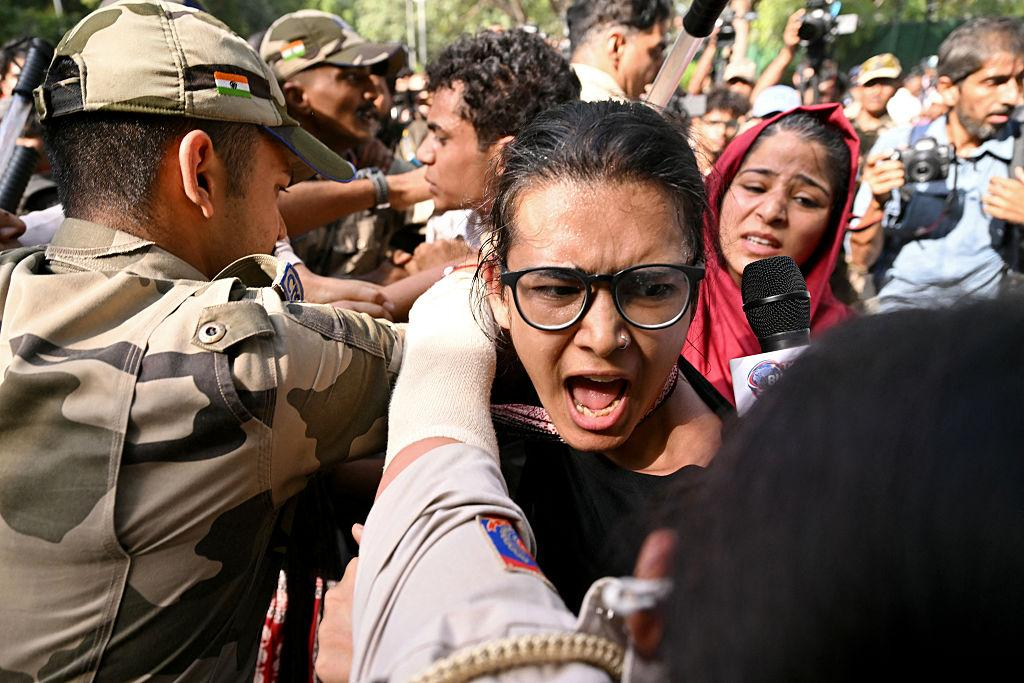
The student sit-in at Jantar Mantar was more than a protest over a single issue. It reflected a growing concern among young Indians about transparency, accountability and fairness in the country’s education system. From examination controversies to recruitment delays and inadequate public investment, students increasingly believe that the challenges are systemic rather than isolated.
Key Takeaways
- Student protests today reflect deeper concerns about trust in educational institutions.
- Examination integrity, recruitment delays and policy implementation have become national issues.
- India’s public investment in education remains below the long-standing target of 6% of GDP.
- Restoring confidence will require greater transparency, stronger institutions and sustained reforms.
A Crisis of Confidence
When hundreds of students gathered at Jantar Mantar, the immediate focus was on their demands. Yet the protest represented something much larger than a disagreement over one examination or one policy decision.
Over the past few years, India has witnessed repeated controversies surrounding entrance examinations, recruitment processes, delayed appointments and administrative lapses. Each incident has had its own context, but together they have contributed to a growing perception among students that the education system requires deeper reforms.
For millions of families, education is the primary path to economic opportunity. Parents invest their savings, while students devote years to preparing for highly competitive examinations. When questions arise about the fairness or efficiency of these processes, public confidence can be shaken.
The concern is no longer confined to individual examinations. Increasingly, it is about whether institutions are able to deliver transparent, timely and accountable outcomes.
Beyond Examinations
The challenges facing Indian education extend well beyond examination management.
Many government schools continue to grapple with shortages of teachers, laboratories and digital infrastructure. Public universities often face funding constraints even as enrolment grows. Research institutions compete for limited resources, while graduates frequently encounter a gap between academic qualifications and employment opportunities.
These issues are interconnected. A robust education system depends not only on fair examinations but also on sustained investment, quality teaching, strong institutions and effective governance.
The National Education Policy (NEP) 2020 has outlined an ambitious roadmap for reform, but translating policy into measurable outcomes remains a long-term challenge.
Why It Matters
India is home to one of the world’s youngest populations. This demographic advantage can become a powerful engine of economic growth—but only if young people have confidence in the institutions that educate and assess them.
Trust is an often-overlooked pillar of any education system. Students need confidence that examinations are conducted fairly, recruitment processes are transparent and educational opportunities are based on merit.
When that confidence weakens, the consequences extend beyond campuses. They can affect social mobility, workforce development, public trust and, ultimately, India’s ability to compete in an increasingly knowledge-driven global economy.
The Global Perspective
Countries that consistently rank among the world’s leading education systems share several common characteristics: stable institutions, transparent examination processes and sustained public investment.
The United States invests heavily in research and innovation through its universities. China has expanded funding for higher education and technical institutions as part of its economic strategy. Germany combines affordable higher education with a strong vocational training system that closely links education to industry.
Although each country’s model is different, they all treat education as a long-term national investment rather than merely a budgetary expense.
India’s challenges are unique because of its scale and diversity, but the international experience demonstrates that credibility, investment and institutional strength are essential ingredients of educational success.
What Needs to Change?
Education experts have identified several priorities that could help rebuild public confidence:
- Greater transparency in examination and recruitment systems.
- Faster grievance redressal mechanisms.
- Increased public investment in education and research.
- Better teacher training and stronger institutional capacity.
- Improved digital infrastructure and learning resources.
- Regular communication between authorities and students during periods of uncertainty.
Reforms of this nature cannot eliminate every controversy. However, they can strengthen institutional credibility and reduce the likelihood of recurring crises.
The Road Ahead
The voices that emerged from Jantar Mantar represent more than the concerns of one group of students. They reflect a wider national conversation about fairness, opportunity and the future of education in India.
As the country works towards becoming a developed nation by 2047, the debate should move beyond responding to individual controversies. The larger challenge is to build an education system that is transparent, adequately funded and trusted by those who depend on it most.
Ultimately, India’s greatest resource is not its natural wealth or expanding economy—it is the aspirations of its young people. Protecting those aspirations will require not only better policies but also institutions that consistently earn public trust.

Prabha Gupta is a veteran journalist and civic thinker dedicated to the constitutional ideals of dignity and institutional ethics. With over thirty years of experience in public communication, her work serves as a bridge between India’s civil society and its democratic institutions. She is a prominent voice on the evolution of Indian citizenship, advocating for a national discourse rooted in integrity and the empowerment of the common citizen