




Summary
- WHO projects annual global cancer cases will rise from 20.6 million to nearly 35 million by 2050.
- Cancer currently kills over 26,000 people every day, making it the world’s second-leading cause of death.
- Nearly 40% of cancers are preventable through lifestyle changes, healthy diets and tobacco control.
- Stark inequalities in diagnosis and treatment continue to widen survival gaps between rich and poor countries.
- WHO urges governments to prioritize prevention, universal healthcare and affordable cancer treatment.
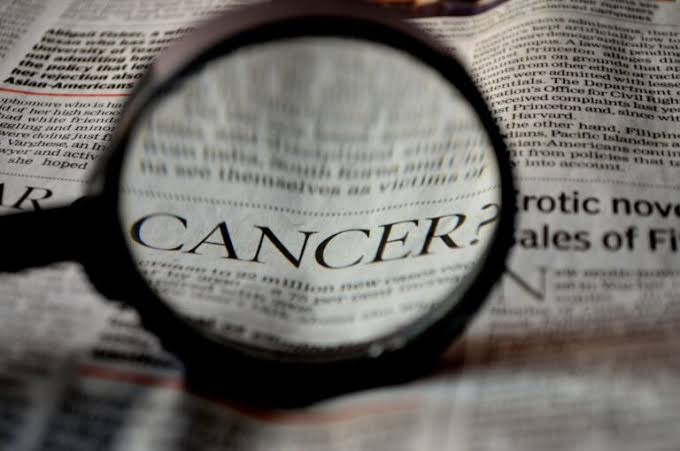
GENEVA: The World Health Organization (WHO) has sounded an urgent global alarm over the rapidly growing cancer burden, warning that annual cancer cases could surge from 20.6 million today to nearly 35 million by 2050 unless governments dramatically strengthen prevention, early detection and equitable access to treatment.
Released jointly by the WHO and the International Agency for Research on Cancer (IARC), the Global Status Report on Cancer 2026 paints a sobering picture of a disease that already claims nearly 10 million lives every year—more than 26,000 deaths every day—making cancer the world’s second-leading cause of death after cardiovascular diseases.
The report argues that while scientific breakthroughs and national cancer programmes have improved outcomes in several countries, progress remains uneven, with millions of people still denied access to healthy diets.
Cancer Becoming a Global Development Challenge
The WHO warns that cancer is no longer merely a healthcare issue but an economic and social crisis affecting families, healthcare systems and national economies.
As populations age, urbanize and adopt increasingly sedentary lifestyles, the incidence of several cancers is expected to rise sharply. Rapid industrialization, unhealthy diets, obesity, alcohol consumption and worsening air pollution are accelerating the burden, particularly in developing nations.
“Cancer is a deeply personal disease that touches nearly all of us,” WHO Director-General Dr Tedros Adhanom Ghebreyesus said, emphasizing that survival should never depend on a person’s birthplace or income.
Inequality Remains the Biggest Challenge
One of the report’s strongest messages is that global inequality—not medical knowledge—is now the biggest obstacle in reducing cancer deaths.
Nearly 87% of women diagnosed with breast cancer survive at least five years in high-income countries, compared with only around 42% in low-income nations.
Moreover, fewer than one-third of countries currently include comprehensive cancer care within their universal health coverage systems, leaving millions to shoulder catastrophic healthcare costs.
WHO’s first global survey of cancer patients reveals the human cost behind these statistics. Nearly 45% reported severe financial hardship following diagnosis, more than half experienced mental health challenges, while caregivers reported overwhelming emotional stress, unpaid work and social isolation.
Asia Bears the Largest Burden
The geographical distribution of cancer continues to reflect both population size and healthcare disparities.
Asia accounted for over half of all global cancer cases and deaths in 2024, driven largely by its enormous population. Europe, despite representing only about 9% of the world’s population, contributed roughly one-fifth of global cancer cases, reflecting its ageing demographics and lifestyle-related risk factors.
Meanwhile, many African countries report comparatively lower cancer incidence but significantly higher mortality rates because patients are often diagnosed at advanced stages and treatment facilities remain limited.
Lung cancer remains the world’s deadliest cancer, while prostate and colorectal cancers dominate among men. For women, breast cancer continues to be the most frequently diagnosed, followed by lung and colorectal cancers.
Prevention Offers the Greatest Opportunity
Perhaps the report’s most encouraging finding is that nearly four out of every ten cancer cases are preventable.
Tobacco use remains the single largest avoidable risk factor, although global consumption has fallen by 27% since 2010 thanks to stronger public health policies.
Vaccination against human papillomavirus (HPV) and hepatitis B, improved sanitation, infection control, healthier diets, increased physical activity and reduced alcohol consumption could substantially lower future cancer incidence.
IARC Director Dr Elisabete Weiderpass cautioned, however, that current prevention efforts remain insufficient to counter rising obesity, inactivity and environmental pollution.
Scientific Progress Yet Unequal Access
The report acknowledges significant policy achievements over the past decade.
More than 80% of countries now have national cancer control plans, compared with just half in 2010. Clinical research has expanded rapidly, with cancer trials increasing by over 7% annually between 2005 and 2021.
Yet access to essential cancer medicines remains deeply unequal. In many low-income countries, availability of priority cancer drugs ranges between just 9% and 54%, compared with up to 94% in wealthier nations.
A Call for Political Will
WHO concludes that the world possesses much of the scientific knowledge needed to reduce cancer deaths. What remains lacking is political commitment to ensure equitable healthcare access.
The agency is urging governments to expand universal health coverage, strengthen prevention programmes, improve early diagnosis, invest in affordable treatment and include cancer survivors and caregivers in policymaking.
Without decisive action, WHO warns, cancer will become one of the defining public health and economic challenges of the 21st century, placing unprecedented pressure on health systems and millions of families worldwide.

NewsHasghag operates a 24/7 news bureau that tracks the real-time, social media-driven stories from India and around the world, keeping you ahead of the day’s key talking points. Our digital-first approach transforms storytelling through the seamless integration of data, interactive charts, video, and audio into every narrative