





Tiny Particles, Big Questions
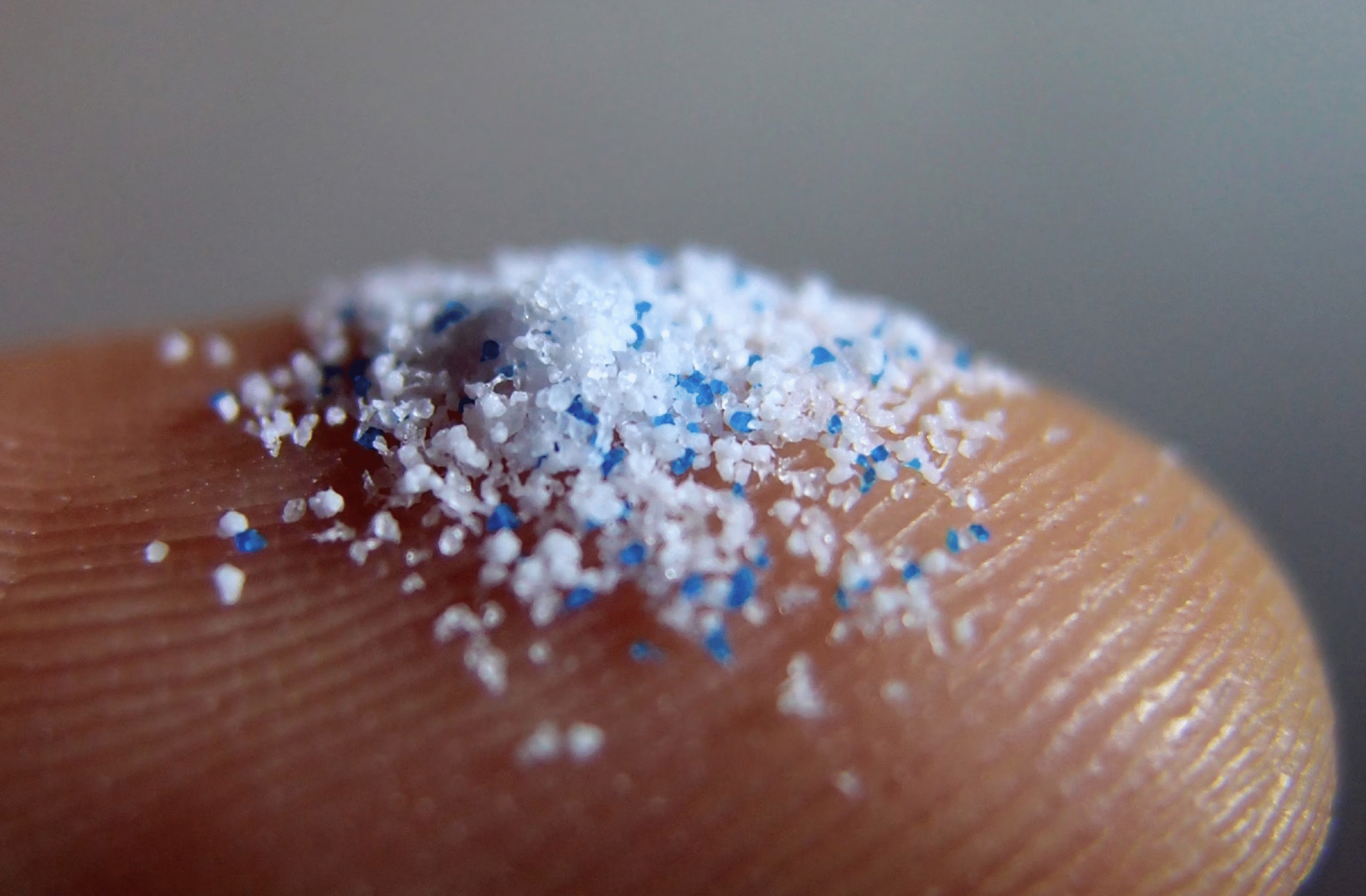
Microplastics—tiny fragments of plastic less than 5 millimeters in size—are no longer just an environmental concern. They are now being found inside the human body, including the digestive system, where they interact with one of the body’s most complex ecosystems: the gut microbiome.
The gut microbiome, a community of trillions of bacteria living in the digestive tract, plays a crucial role in digestion, immunity, and even mental health. Scientists studying the intersection of microplastics and this microbial system are beginning to uncover troubling signals. While research is still developing, early findings suggest that these particles may disrupt the delicate balance of gut bacteria.
Microplastics enter the body through everyday sources—packaged food, drinking water, seafood, and even air. Once ingested, they do not simply pass through without consequence. Studies indicate that microplastics can act as carriers for harmful chemicals and pathogens, potentially introducing toxins directly into the gut environment.
What concerns researchers is not just the presence of microplastics, but their interaction with gut bacteria. Some studies suggest that exposure to these particles may reduce beneficial bacteria while allowing harmful strains to thrive. This imbalance, known as dysbiosis, has been linked to a range of health issues, from digestive disorders to weakened immune response.
There is also growing evidence that microplastics may cause inflammation in the gut lining. Chronic inflammation is a known contributor to conditions such as irritable bowel syndrome, metabolic disorders, and even certain cancers. While definitive human studies are still limited, laboratory and animal research point toward a potential risk that cannot be ignored.
Health Risks and What You Can Do
The long-term health effects of microplastics are still being studied, but the possible risks are becoming clearer. Beyond disrupting gut bacteria, microplastics may interfere with nutrient absorption and introduce endocrine-disrupting chemicals into the body. These chemicals can affect hormone balance, potentially impacting metabolism, reproduction, and overall health.
Another concern is the cumulative effect. Unlike some toxins that the body can process and eliminate, microplastics may persist and build up over time. This raises questions about long-term exposure and its impact on chronic diseases.
While it is nearly impossible to avoid microplastics completely, there are practical steps individuals can take to reduce exposure:
- Limit plastic use in food and drink
Avoid storing or heating food in plastic containers, especially in microwaves. Opt for glass, steel, or ceramic alternatives. - Choose fresh over packaged foods
Highly processed and packaged foods are more likely to contain microplastics due to contact with plastic during manufacturing and storage. - Filter drinking water
Using high-quality water filters can help reduce microplastic content in tap water. - Reduce single-use plastics
Items like plastic bottles, straws, and takeaway containers contribute significantly to daily exposure. - Be mindful of seafood consumption
Marine organisms often ingest microplastics, which can then enter the human food chain. - Improve indoor air quality
Microplastics can also be airborne. Regular cleaning and proper ventilation can help reduce inhalation.
At a broader level, addressing microplastic pollution requires systemic change—better waste management, reduced plastic production, and stricter regulations. Individual actions matter, but large-scale solutions are essential.
The emerging research on microplastics and the gut microbiome highlights a larger truth: environmental issues are increasingly becoming personal health issues. What was once seen as pollution in oceans and soil is now being detected within the human body.
The science is still evolving, and many questions remain unanswered. But the direction is clear enough to warrant attention. Microplastics are not just an ecological problem—they are a biological one, with implications that extend far beyond what we can currently measure.

NewsHasghag operates a 24/7 news bureau that tracks the real-time, social media-driven stories from India and around the world, keeping you ahead of the day’s key talking points. Our digital-first approach transforms storytelling through the seamless integration of data, interactive charts, video, and audio into every narrative