





End of an Era: Former Bangladesh PM Begum Khaleda Zia Passes Away
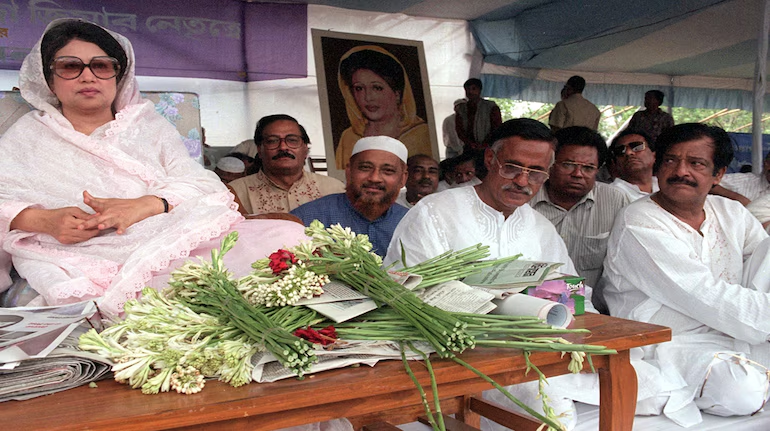
The sun has set on one of the most significant chapters in South Asian politics. Begum Khaleda Zia, the former Prime Minister of Bangladesh and the indomitable leader of the Bangladesh Nationalist Party (BNP), has passed away. Her death marks the end of a legendary political career that spanned over four decades. As news of her passing spreads, millions of supporters have begun to gather, mourning the woman they called the “Uncompromising Leader.” Bangladesh now stands at a historic crossroads.
The Rise of a Matriarch
Khaleda Zia was born in 1945. She entered politics under tragic circumstances following the assassination of her husband, President Ziaur Rahman, in 1981. Though she was initially a soft-spoken housewife, she quickly transformed into a fierce political force. In 1991, she made history by becoming the first female Prime Minister of Bangladesh.
Her leadership was defined by a commitment to “Bangladeshi Nationalism.” She focused on education for the girl child and rural development. Throughout her three terms as Prime Minister, she remained the primary rival to the Awami League. Her political journey was a constant struggle for power, democracy, and the soul of the nation.
A Life of Struggle and Sacrifice
The later years of Khaleda Zia’s life were marked by immense hardship. She faced numerous legal challenges and spent years in house arrest or hospital care. Despite her failing health, she refused to flee the country. To her supporters, this was the ultimate proof of her dedication to the people of Bangladesh.
Her passing leaves the BNP without its central pillar. While her son, Tarique Rahman, leads the party from London, the physical absence of Khaleda Zia in Dhaka creates a massive emotional and political vacuum. The nation is now watching how the party and the interim government handle the transition.
Geopolitical Implications for South Asia
The death of Khaleda Zia will resonate far beyond the borders of Bangladesh.
- India-Bangladesh Ties: New Delhi will be watching the BNP’s next moves closely. Khaleda Zia’s legacy was often viewed through the lens of a “sovereignty-first” approach.
- The 2026 Elections: With her passing, the BNP may see a massive surge in public sympathy. This could drastically change the polling numbers for the upcoming 2026 general elections.
- Regional Stability: International observers are concerned about potential unrest. The government has called for calm as the nation prepares for a state funeral.
A Nation in Mourning
Today, the streets of Dhaka are somber. Khaleda Zia was more than a politician; she was a mother figure to her party and a symbol of resistance to many. Her legacy will be debated by historians for years. However, her impact on the identity of modern Bangladesh is undeniable. As the nation prepares to bid her a final farewell, the question remains: Who will lead the next generation of Bangladeshis in her footsteps?
Prabha Gupta is a veteran journalist and civic thinker dedicated to the constitutional ideals of dignity and institutional ethics. With over thirty years of experience in public communication, her work serves as a bridge between India’s civil society and its democratic institutions. She is a prominent voice on the evolution of Indian citizenship, advocating for a national discourse rooted in integrity and the empowerment of the common citizen