



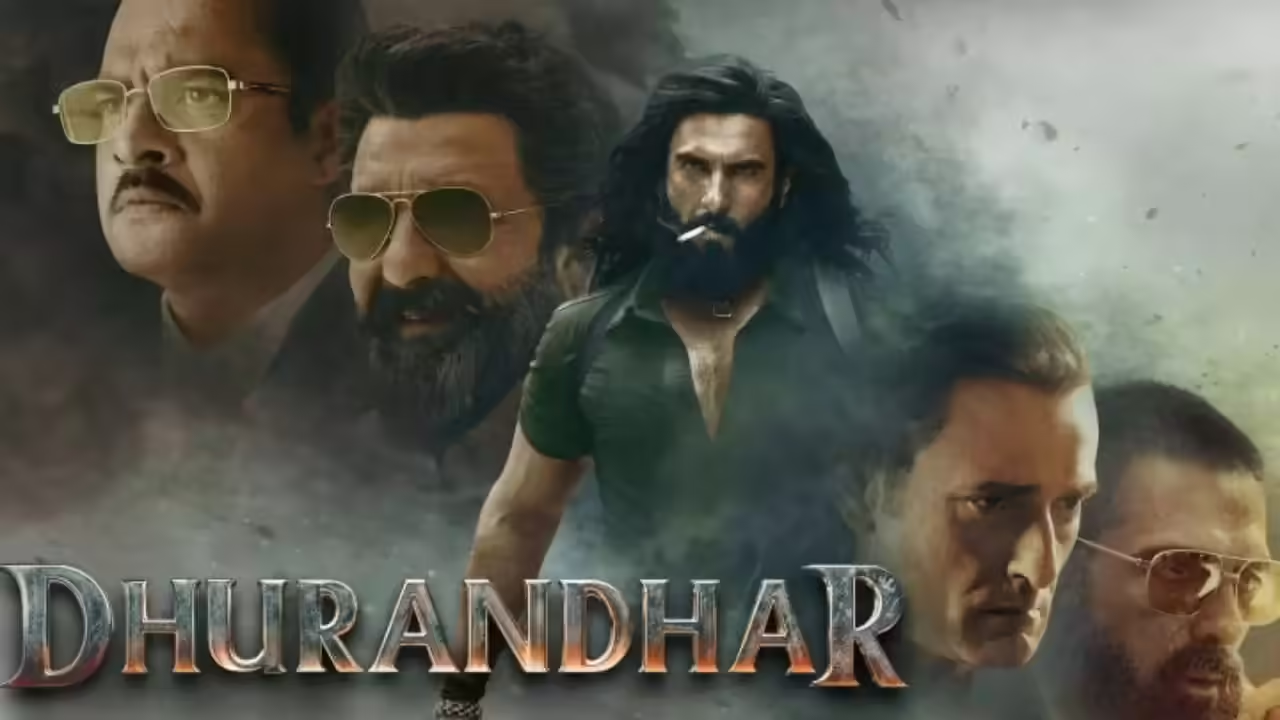
Cinematic Brutality: A Review of ‘Dhurandhar’
Cinematic Brutality: A Review of ‘Dhurandhar’-The modern spy thriller has undergone a radical transformation. Gone are the days of suave protagonists in tuxedos sipping martinis; in their place stands the raw, blood-soaked reality of ‘Dhurandhar.’ Starring Ranveer Singh and directed by Aditya Dhar, this 3.5-hour epic is less of a movie and more of an endurance test—a relentless descent into the darkest corners of South Asian geopolitics and criminal underworlds.
At its core, ‘Dhurandhar’ is a fictionalized account of Indian intelligence operatives infiltrating the gang-infested streets of Lyari, Karachi. Ranveer Singh plays Jaskirat Singh Rangi, an operative who goes deep undercover under the alias Hamza. Singh’s performance is a revelation of restraint. He sheds his usual high-energy persona for something far more predatory and haunting. He doesn’t just play a spy; he plays a man slowly losing his soul to the violence required to maintain his cover.
However, the defining characteristic of the film is its staggering level of violence. From the opening sequences, the director establishes a visual language that refuses to look away. We see the visceral reality of street-level combat—the sound of breaking bones, the graphic spray of arterial blood, and the lingering shots of the aftermath of torture. It is designed to make the audience feel the “weight” of a life lived in the shadows.
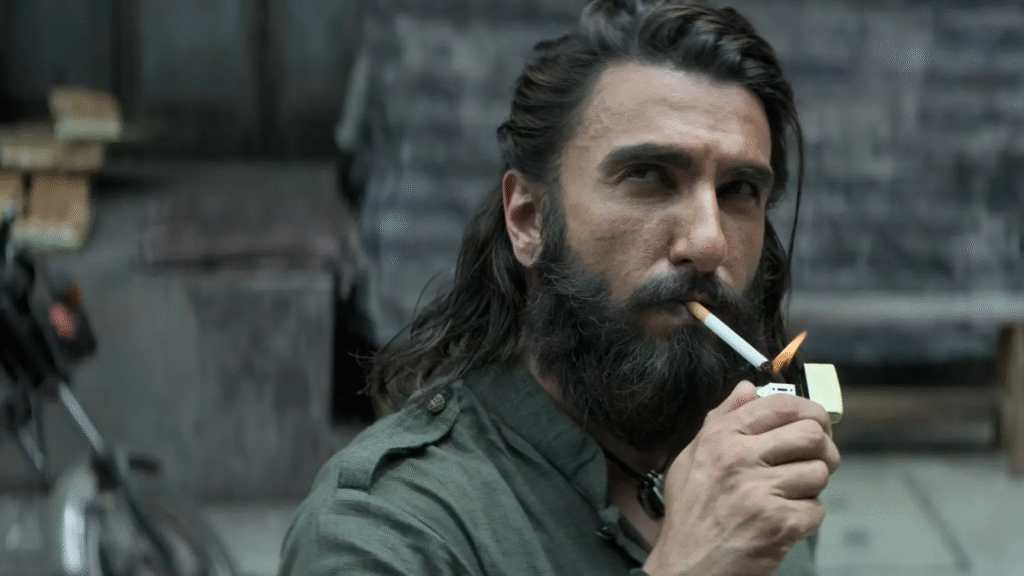
The film is a dramatization, the history it draws upon is terrifyingly real. The Lyari gang wars of the 1990s and 2000s were defined by a level of lawlessness and brutality that often exceeded cinematic imagination. Real-life figures, such as the actual Rehman Dakait (who inspires Akshaye Khanna’s chilling antagonist), presided over a “parallel state” where torture cells and public executions were tools of governance. The film captures the psychological atmosphere of that era—the constant dread and the cheapness of human life. By incorporating real audio recordings and referencing the 2008 Mumbai attacks, the movie bridges the gap between popcorn entertainment and traumatic history.
The violence in ‘Dhurandhar’
serves a narrative purpose: it strips away the “heroic” myth of espionage. In most films, the protagonist kills cleanly and moves on. Here, every act of violence has a physical and emotional cost. The camera lingers on the trembling hands of a killer and the hollow eyes of the survivors. It suggests that in the real world of covert operations, there are no “clean” wins—only degrees of survival.
Yet, as a piece of cinema, the film’s commitment to brutality is a double-edged sword. By the three-hour mark, the sheer volume of gore begins to feel numbing. There is a risk that the audience stops feeling the impact of the violence and instead begins to feel exhausted by it. While the technical craft—the sound design, the gritty cinematography, and the haunting score-is top-tier, the narrative occasionally gets buried under the weight of its own grimness.
‘Dhurandhar’ is a masterpiece of the “ultra-violent” genre, but it is certainly not for everyone. It is a film that demands a strong stomach and a willingness to confront the uglier side of human nature. It serves as a stark reminder that while we watch these stories for entertainment, the real-world shadows they are based on are far darker and more chaotic than any camera can truly capture. If you found this chapter intense, prepare yourself: the upcoming sequel on March 19 promises to delve even deeper into the personal and political vendettas that fuel this cycle of blood.

NewsHasghag operates a 24/7 news bureau that tracks the real-time, social media-driven stories from India and around the world, keeping you ahead of the day’s key talking points. Our digital-first approach transforms storytelling through the seamless integration of data, interactive charts, video, and audio into every narrative