



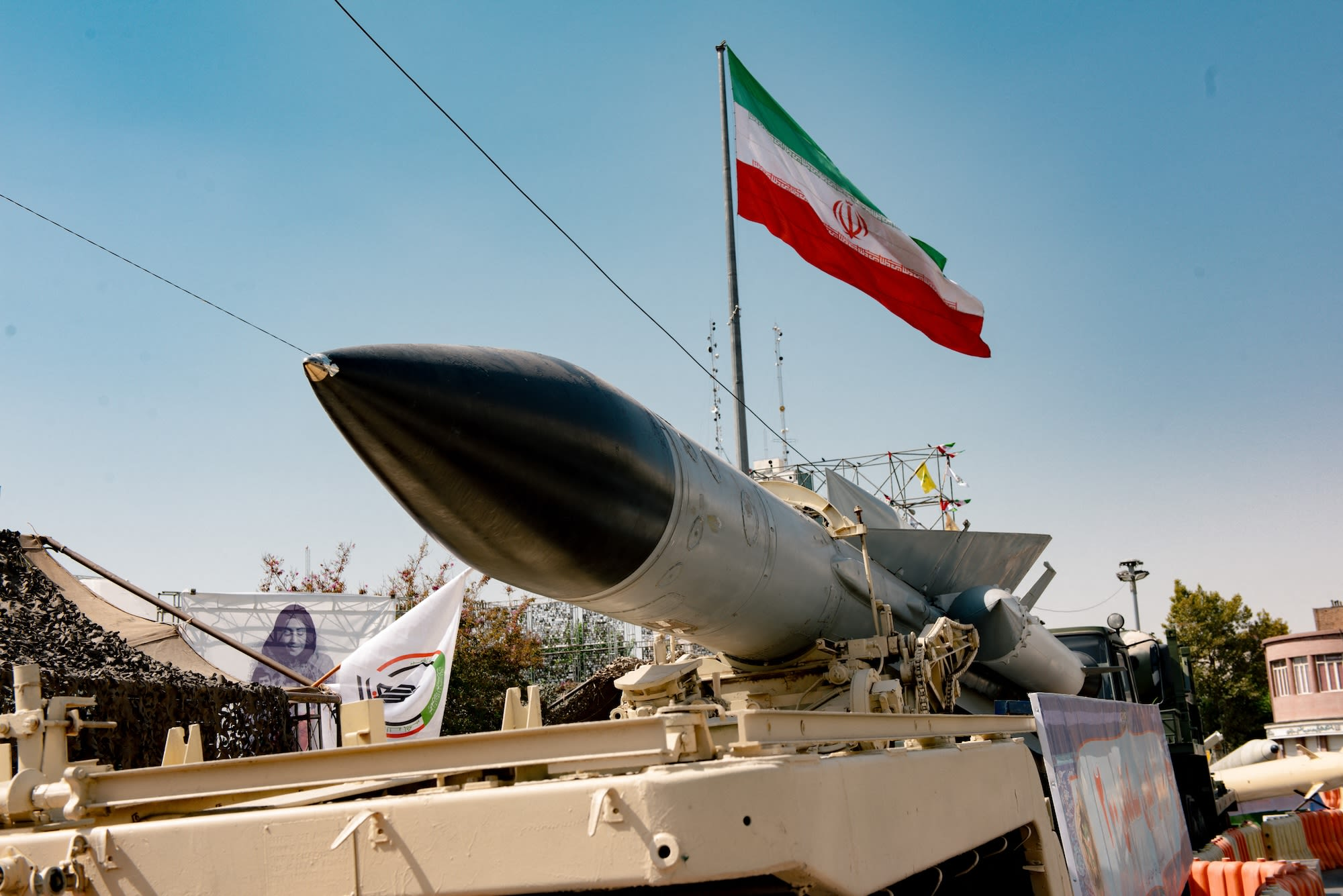
Geopolitics, Nukes, and the Looming Shadow of a US-Iran War
Geopolitics, Nukes, and the Looming Shadow of a US-Iran War-As of late February 2026, the Persian Gulf has once again become the world’s most dangerous chessboard. With a second US aircraft carrier strike group arriving in the region this week and President Trump issuing a final “10-to-15-day” ultimatum for a nuclear deal, the decades-long tension between Washington and Tehran has reached a fever pitch. To understand why we are on the precipice of conflict, one must look past the headlines at the deep-seated genesis of this rivalry and the high-stakes “nuclear phenomenon” that drives it.
The Genesis: A Legacy of Mutual Distrust
The friction is not a modern invention; it is a 70-year-old wound. The roots trace back to the 1953 CIA-backed coup that overthrew Iran’s democratically elected Prime Minister, Mohammad Mosaddegh, to protect Western oil interests. This paved the way for the authoritarian rule of the Shah, whose eventual ousting in the 1979 Islamic Revolution turned Iran into a theo-centric republic defined by its “anti-imperialist” stance. For the US, Iran went from a “policeman of the Gulf” to a revolutionary state committed to upending American interests in the Middle East.
The Nuclear Phenomenon: Why Control Matters
In 2026, the primary trigger is Iran’s rapid nuclear acceleration. Following the US withdrawal from the 2015 JCPOA and the devastating 12-day air war in June 2025 (led by Israel and supported by the US), Iran has moved its remaining nuclear assets deeper underground.
The US obsession with controlling Iran’s nuclear power is driven by two factors:
- Regional Hegemony: A nuclear-armed Iran would permanently shift the balance of power, rendering the US “Axis of Resistance” (Hezbollah, Houthis, and Iraqi militias) untouchable.
- The Proliferation Domino Effect: Washington fears that if Tehran goes nuclear, Saudi Arabia, Turkey, and Egypt will follow suit, turning the world’s most volatile region into a nuclear powder keg.
The Current Impasse (Feb 2026)
Recent satellite imagery from February 1 reveals that Iran has already begun repairing the Isfahan and Natanz facilities bombed last year, adding hardened roofs to hide satellite surveillance. While US diplomats in Geneva are pushing for “strategic submission,” Iranian Supreme Leader Ali Khamenei has doubled down, calling the possession of “deterrent weapons” an obligatory right.
A Global Shockwave
A full-scale war in 2026 would not look like the invasion of Iraq. Iran’s rugged, mountainous terrain and its “shadow fleet” of asymmetric naval drones make it a “defensive fortress.”
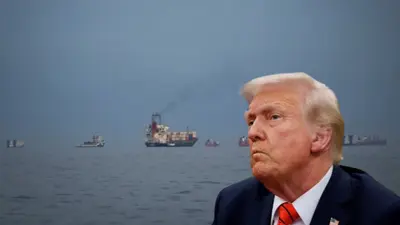
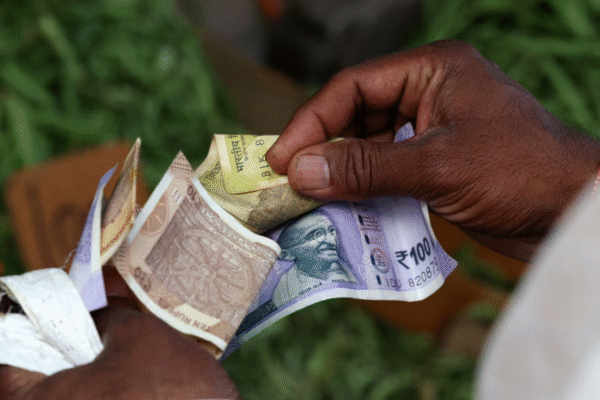
- Economic Catastrophe: Analysts warn that a conflict could see oil prices spike to $110–$120 per barrel overnight. With Iran positioned along the Strait of Hormuz—the transit point for 20% of the world’s oil—even a temporary blockade would trigger a global inflationary spiral.
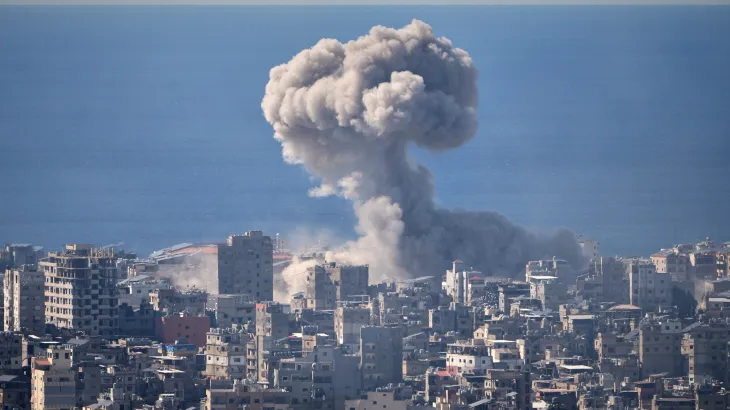
- The Humanitarian Toll: Unlike previous conflicts, a war in 2026 would likely involve “short, sharp bursts” of high-tech missile strikes. However, the resulting internal fragmentation could lead to a collapsed state, triggering a migration crisis that would dwarf the Syrian exodus of 2015.
As the clock ticks on the February ultimatum, the US finds itself in a paradox: it seeks to control Iran to ensure regional stability, yet the very act of military intervention threatens to destroy that stability entirely. In 2026, the “nuclear deal” is no longer just a piece of paper; it is the only thin line preventing a global economic and humanitarian earthquake.

Prabha Gupta is a veteran journalist and civic thinker dedicated to the constitutional ideals of dignity and institutional ethics. With over thirty years of experience in public communication, her work serves as a bridge between India’s civil society and its democratic institutions. She is a prominent voice on the evolution of Indian citizenship, advocating for a national discourse rooted in integrity and the empowerment of the common citizen