





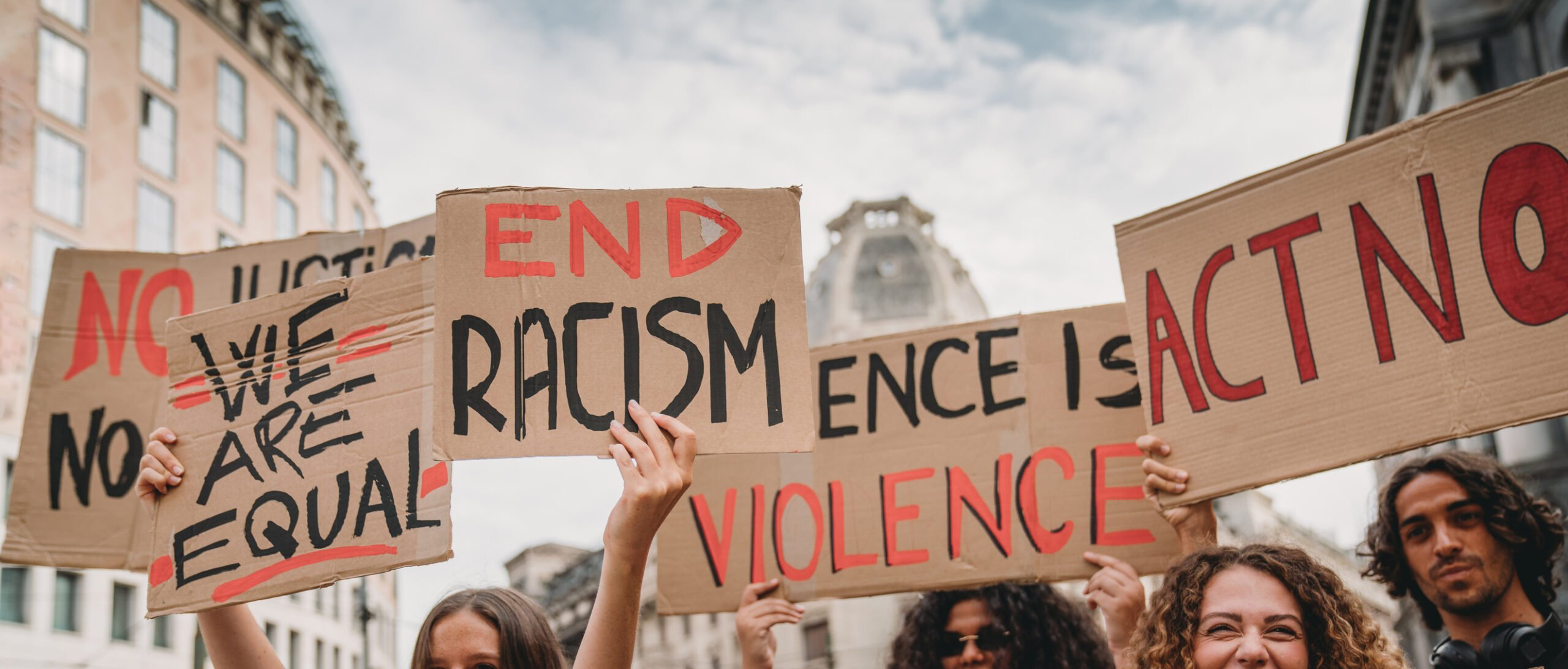
Global Racism Escalation: Violence Is Spreading Worldwide
He called the police for help. He ended up dead.
Mohammed Nizamuddin, a young Indian techie working in California, warned the world just days before he died: “The racist white American mentality has to end.”Shortly after that post, he was shot four times by U.S. police in his own home. His family says he was the victim — not the threat. And while officials stay silent, his death echoes a terrifying truth: racism isn’t just growing — it’s exploding across borders.
In September 2025, 32-year-old Indian techie Mohammed Nizamuddin was shot dead by police in Santa Clara, California. Officers responded to a 911 call that he had allegedly stabbed a roommate. However, Nizamuddin’s family strongly disputes this version. They say he was the one who called for help, fearing harassment and threats from roommates. According to them, he had no history of violence and had repeatedly complained about racial discrimination, bullying, and mental trauma in the weeks leading up to his death.
Bodycam footage has not been publicly released, and investigations are ongoing. But the family’s grief has been compounded by silence from the authorities and a lack of accountability. His mother, devastated by the loss, has reportedly “completely shut down.” In a LinkedIn post written days before the incident, Nizamuddin warned about racism, stating bluntly: “The racist white American mentality has to end.”
His death isn’t an isolated case. It symbolizes a larger problem — the growing racial divide and violence faced by immigrants and minorities across the globe.
Global Racism Escalation: A Pattern Seen Worldwide
The racism that killed Mohammed Nizamuddin echoes far beyond American borders. Around the world, similar attacks, threats, and discrimination are rising — targeting not just Asians but migrants, ethnic minorities, and anyone seen as “different.”
In the United Kingdom, a Sikh woman in her 20s was raped in Oldbury, West Midlands. During the attack, the perpetrators reportedly shouted, “You don’t belong here.” The police are now treating it as a racially aggravated sexual assault. The Sikh community responded with outrage, pointing out that racism and violence often go hand in hand — especially when women of color are targeted. (The Guardian)
In Australia, anti-immigration protests have grown disturbingly aggressive. In cities like Sydney, Melbourne, and Adelaide, protesters from far-right groups marched with racist slogans and distributed flyers warning against Indian immigrants. Violent clashes broke out, leaving many Indian families feeling unsafe in neighborhoods they once considered home. Some are now reconsidering their plans to stay in Australia.
Even in East Asia, where most of the population is ethnically homogenous, anti-foreigner sentiment is escalating. In China, a Japanese woman was attacked in public — an incident sparked by growing nationalistic tensions. Meanwhile, in Japan, two Chinese nationals were assaulted in Tokyo, reportedly due to rising anti-Chinese sentiment amid political disputes. These cases show that racism is not only a Western problem — it’s global.
What These Incidents Tell Us
All of these stories — from Nizamuddin’s death in California to the assaults in Birmingham, Sydney, and Tokyo — follow a chilling pattern: racism is escalating, becoming more visible, more violent, and more systemic.
Several factors contribute to this trend:
- Political leaders normalize hate speech, fueling xenophobia.
- Economic fears make immigrants the scapegoats.
- Online platforms amplify extremist views, making hate more accessible.
- Law enforcement often acts with bias, especially against people of color.
Worse still, many victims remain unheard. Laws in some countries don’t fully recognize hate crimes. Authorities delay investigations. The media often ignores or underreports these cases — unless they go viral.
Racism Is Not Local — It’s Global
The death of Mohammed Nizamuddin should have been a wake-up call. Instead, it has become one of many examples of how easily hate takes root when left unchecked. Around the world, people are being hurt or killed — not because of what they did, but because of who they are.
This global racism escalation demands more than thoughts and prayers. It requires urgent policy reform, real justice, and international solidarity. Countries must enforce anti-racism laws, protect vulnerable communities, and hold both institutions and individuals accountable.
Because racism isn’t just a local issue. It’s a global emergency.
In a nation built by immigrants, it is not just unjust, but inexcusable, to let racism become a death sentence.
Prabha Gupta is a veteran journalist and civic thinker dedicated to the constitutional ideals of dignity and institutional ethics. With over thirty years of experience in public communication, her work serves as a bridge between India’s civil society and its democratic institutions. She is a prominent voice on the evolution of Indian citizenship, advocating for a national discourse rooted in integrity and the empowerment of the common citizen