




Is Imran Khan Alive? Understanding the Rumours and Pakistan’s Power Game
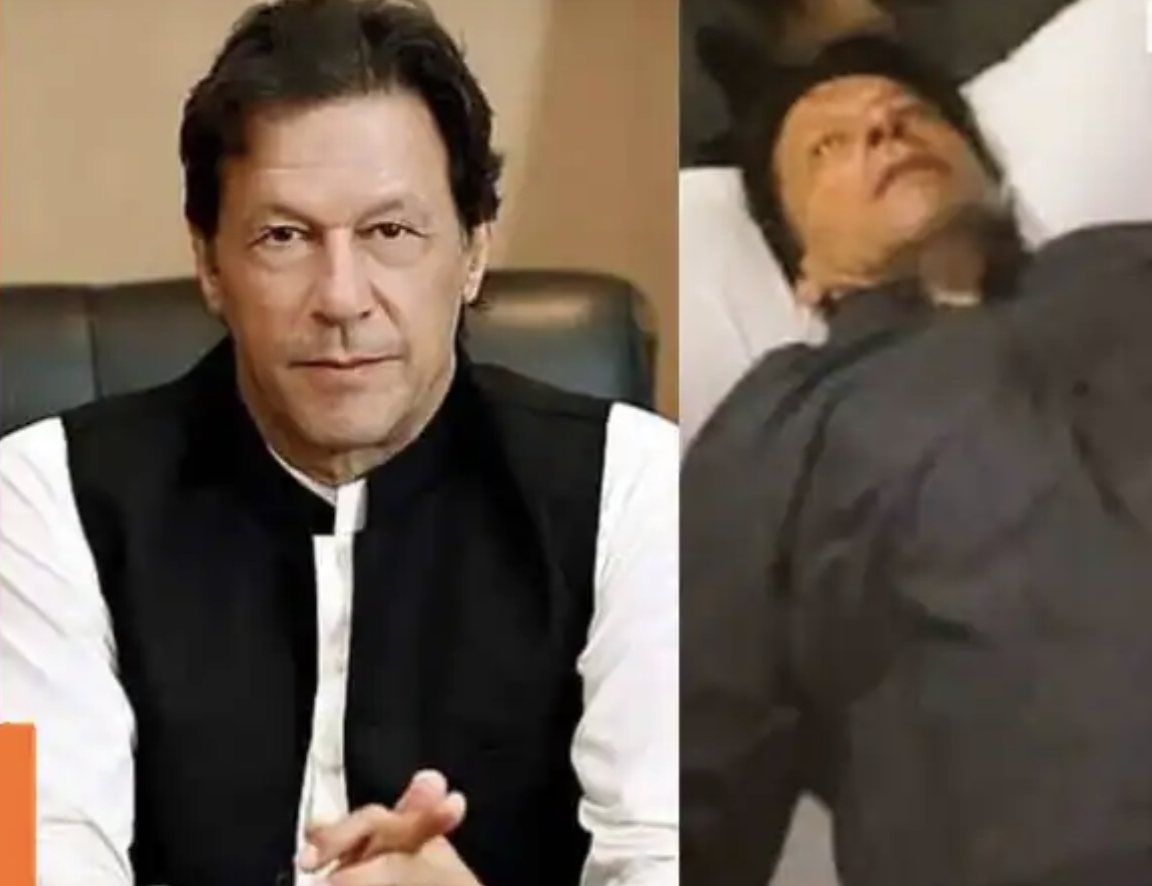
Social media feeds across India and Pakistan erupted on Wednesday. Unverified posts claimed that former Pakistan Prime Minister Imran Khan had been mysteriously killed inside Adiala Jail. The claim has no official confirmation. Yet it travelled like wildfire across X, WhatsApp, and TikTok.
As of late November 2025, Imran Khan remains in prison at Adiala Jail in Rawalpindi. Pakistan Today The jail administration recently issued a statement saying that he is “inside the prison and healthy,” dismissing rumours about his death or secret transfer.
The authorities claim Imran Khan is alive and safe in jail — but they have chosen not to release any live video proof. Their silence may stem from standard prison-security practices, legal ambiguity, or desire to control sensitive information. That lack of transparency, however, naturally fuels doubt and suspicion among the public.
Imran Khan became Pakistan’s Prime Minister in 2018 and ruled for almost four years. His government collapsed in April 2022 after he lost a no-confidence vote. On August 5, 2023, authorities sent him to jail after a conviction in the Toshakhana case, which accused him of selling state gifts and hiding the earnings. Later, he received additional sentences in the leaked “cypher” case and a land-corruption case linked to a charitable trust. These charges tightened the legal pressure on him and deepened his confrontation with Pakistan’s powerful military establishment.
A Hero Who Promised Change
Khan rose as a national icon. His 1992 World Cup win made him a legend. Later, he turned to spirituality and philanthropy. These qualities built his political brand. People saw him as honest and fearless.
However, Pakistan’s political system resists deep reform. Khan vowed to challenge corruption. He promised to end dynastic politics. But he underestimated the state’s entrenched power. The military viewed him as useful at first. Then the alliance collapsed. After that, his fall became swift.
Pakistan has jailed or arrested around eight former prime ministers. No prime minister has ever completed a full five-year term in office. Most were removed through coups, corruption cases, or political battles. Their arrests show how unstable Pakistan’s civilian leadership remains.
Zulfikar Ali Bhutto was the most tragic case. A court convicted him in a murder trial after a military coup removed him. He was later executed. Benazir Bhutto also faced arrests during her political career. She spent time in prison and under house arrest before returning to power.
Nawaz Sharif went to jail many times. Courts convicted him in corruption cases. He later left Pakistan and lived in London for years. Yousaf Raza Gillani also served time in jail. Shahid Khaqan Abbasi was arrested in a corruption case in 2019. He later secured bail.
Shehbaz Sharif and Raja Pervaiz Ashraf have both faced legal action and arrest warrants at different points. Their cases show how almost every major civilian leader ends up entangled in Pakistan’s legal system.
Imran Khan is the latest example. He became prime minister in 2018. He fell from power in 2022. Authorities jailed him on August 5, 2023, in the Toshakhana case. He later received additional convictions in the Cypher case and the Al-Qadir Trust case. Those sentences keep him in prison even today.
Many former PMs left active politics after jail. Their cases damaged their credibility or left them dependent on military approval. Some, like Gillani and Abbasi, remain politically active but with limited power.
Why many people in Pakistan feel that the military already runs the country, and why such thinking keeps returning again and again.
Pakistan’s military holds unmatched influence. It controls security, foreign policy, and key economic interests. Civilian leaders depend on it. Therefore, leaders lose autonomy very fast. Even strong mandates crumble.
Historically, almost every prime minister has faced prison. Courts often act under pressure. Parliament stays weak. And civilian governments rotate without real authority.
Imran Khan faced the same fate. Once relations soured, he became vulnerable. His arrest in August 2023 reinforced an old pattern. Power did not shift. It only recycled.
Pakistan’s institutions rarely grow independent. The judiciary swings with political winds. The bureaucracy aligns with military preferences. Media faces intimidation. As a result, public debate shrinks.
Moreover, economic stress deepens public frustration. Inflation rises. Jobs decline. Therefore, political anger grows. Khan used this anger effectively. Yet he still lost the institutional battle.
Why Imran Khan Still Matters
Even from jail, Khan remains influential. His supporters see him as a victim of elite politics. His party survives pressure. Social media keeps his message alive. However, the military still shapes the national script. Khan challenges it, but without tools to win.
Yet his personal story remains compelling. He blends heroism, mysticism, and political drama. That mix keeps him relevant.
Imran Khan’s journey mirrors Pakistan’s struggle with power. Civilian leaders rise with hope but fall under pressure. Institutions stay subdued. And the military stays dominant. Until the state reforms its structure, the cycle will continue. Khan may return or may not, but the system remains the real story.
Prabha Gupta is a veteran journalist and civic thinker dedicated to the constitutional ideals of dignity and institutional ethics. With over thirty years of experience in public communication, her work serves as a bridge between India’s civil society and its democratic institutions. She is a prominent voice on the evolution of Indian citizenship, advocating for a national discourse rooted in integrity and the empowerment of the common citizen