





Australian Prime Minister Anthony Albanese sparked a global debate when he urged countries to ban social media for children under 16. He said governments must “take back control from Big Tech” and protect children from addictive algorithms, harmful content, and emotional stress. His strong statement has forced many nations to examine how social platforms shape childhood. India, with millions of young users, cannot ignore this warning.

Other countries are also taking firm steps. France has proposed a digital age limit of 15. The UK is enforcing tougher safety rules through its Online Safety Act. Spain plans mandatory parental consent for under-16 users. Several US states have passed laws requiring age checks before minors join social platforms. This global shift shows one clear trend: governments now see early social media use as a public-health challenge, not just a tech issue.
The risks are already visible in India. A 13-year-old in Delhi developed anxiety after months of online bullying. A 14-year-old in Mumbai stopped attending school after falling into constant comparison with influencer posts. In Hyderabad, parents say their 12-year-old became addicted to late-night gaming streams and lost interest in studies. These incidents highlight how early exposure is harming young minds. Albanese’s warning brings global attention to a problem India is already living with.
What social Media Ban Mean for India’s Young Users
Australia’s proposal follows growing concern across the world. Countries are moving fast because research now links early social media use to poor concentration, sleep loss, and rising anxiety among teenagers. Age-verification systems, parental-control laws, and stronger penalties for platforms are becoming global norms. India must examine these models and decide which approach fits its own social reality.
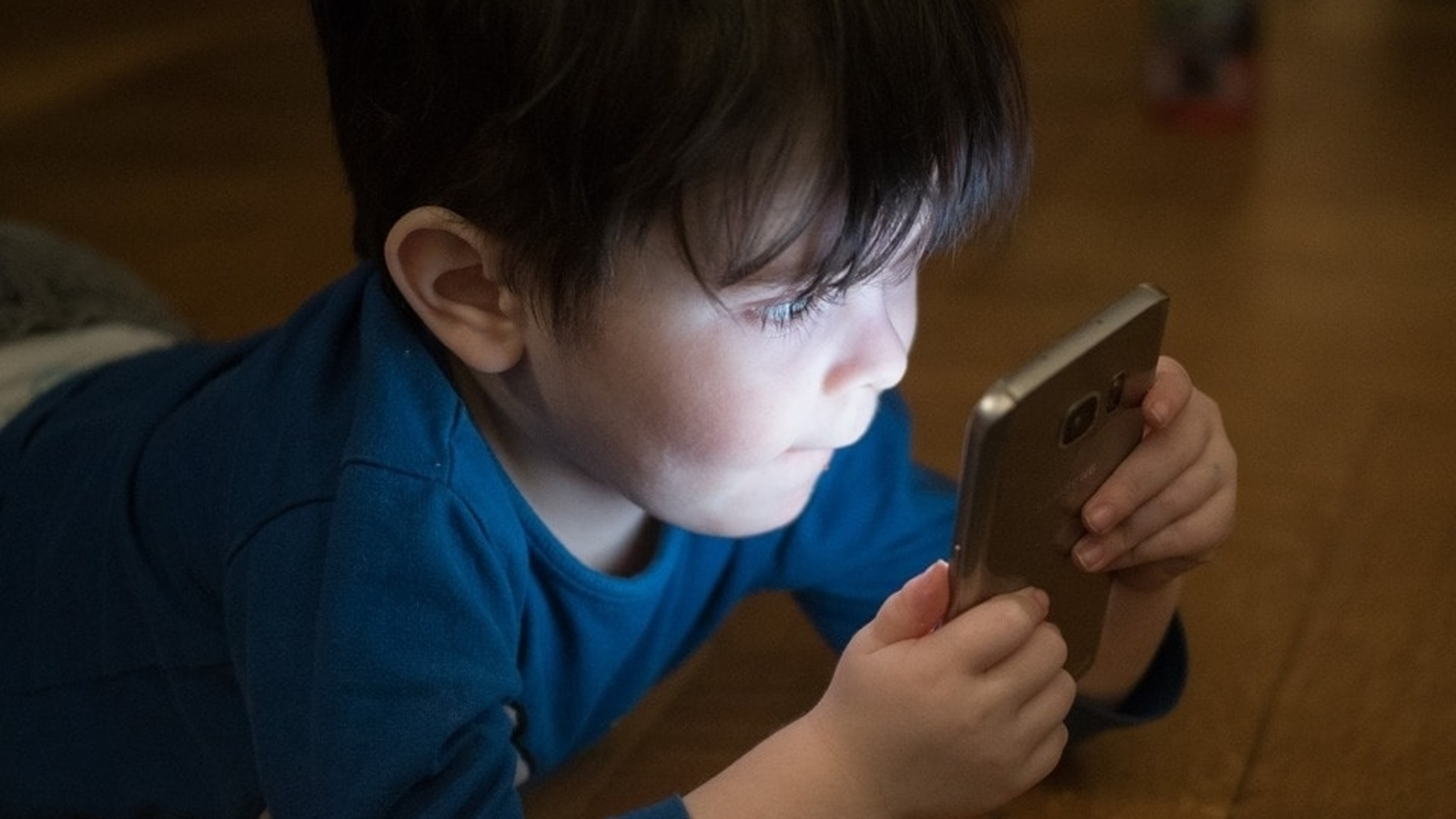
India faces a bigger challenge due to its population size. Millions of children use social media without supervision. Algorithms expose them to violent videos, extreme influencers, and unhealthy content trends. Teachers report falling attention levels in classrooms. Psychologists warn that many children show early signs of addiction. Without strong regulation, this problem will only grow.
Why India Needs Strong Rules to Protect Kids from social media
India must now start a serious debate on setting a minimum age of 16 for social media use. The country should enforce strict age verification and penalise platforms that allow underage accounts. Schools and parents need clear digital safety guidelines. Awareness campaigns must show families how social media affects behaviour, sleep, and mental health.
India has already shown it can take bold digital decisions. It strengthened data laws and held platforms accountable when necessary. Protecting children should now be the next major step. Albanese’s statement is a reminder that nations must shape technology for their people, not allow Big Tech to shape the minds of their children.
India cannot delay this conversation. The mental health of its next generation depends on the choices made today.
Also Read: https://newshashtag.com/why-bollywood-actresses-marry-married-men/
Prabha Gupta is a veteran journalist and civic thinker dedicated to the constitutional ideals of dignity and institutional ethics. With over thirty years of experience in public communication, her work serves as a bridge between India’s civil society and its democratic institutions. She is a prominent voice on the evolution of Indian citizenship, advocating for a national discourse rooted in integrity and the empowerment of the common citizen