






Kidney Damage From Supplements: How Vitamins Can Harm Kidney Health
Dietary supplements promise better health, stronger immunity, and higher energy levels. As a result, many people consume pills, powders, and herbal products daily without hesitation. However, several “healthy” supplements can silently damage your kidneys, often without early warning signs. The danger lies in the fact that kidney stress develops gradually, while people continue to feel normal.

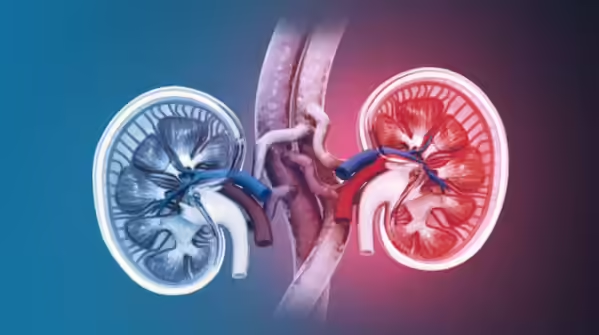
Your kidneys function as the body’s natural filtration system. They remove waste, excess vitamins, minerals, and plant compounds from the blood every minute. When supplements are taken in high doses, used long-term, or combined improperly, they overload these filters. Over time, this strain can injure kidney tissue, trigger inflammation, or disturb mineral balance, leading to serious kidney damage.
Herbal and Vitamin Supplements Are Not Always Safe
Many people believe herbal supplements are harmless because they are labeled “natural.” In reality, several herbal products, especially those marketed for weight loss, detox, arthritis, or hormonal balance, have been linked to kidney injury. Some herbs contain aristolochic acid, a compound known to cause irreversible kidney scarring and increase cancer risk in the urinary tract.

Traditional and indigenous remedies can also harm kidneys if taken without medical supervision. The risk increases when products are sourced from unverified sellers, as labels often lack full ingredient disclosure. Even healthy individuals may develop kidney injury after prolonged use.
Vitamins can also quietly burden the kidneys. Fat-soluble vitamins and mega-dose formulations accumulate in the body instead of being flushed out. Many “immune booster” packs contain excess minerals, herbal extracts, and trace metals. When people stack multiple supplements together, kidneys are forced to process far more than they are designed to handle. For people with existing kidney disease, diabetes, or high blood pressure, this risk becomes significantly higher.
Gym Supplements and Hidden Contaminants Raise Kidney Risks
Gym supplements such as protein powders, creatine, and pre-workouts are widely consumed for fitness goals. While moderate use may be safe, misuse can strain the kidneys. High protein intake increases the kidney’s workload, especially in people with underlying health conditions. Creatine can also become risky when taken in very high doses, combined with dehydration, or used alongside other stimulants.
Pre-workout supplements often mix caffeine, stimulants, and performance enhancers that affect blood pressure and fluid balance. In several real-life cases, kidney injury occurred after people combined gym supplements with steroids, painkillers, or anti-inflammatory drugs.
Another hidden danger lies inside the supplement itself. Studies have found contamination with heavy metals such as cadmium and lead, which accumulate in kidney tissue over time. Some products also contain undeclared prescription drugs added to enhance weight loss or muscle growth. Because supplements are not regulated like medicines, these risks often remain unnoticed until kidney damage becomes severe.
Warning Signs You Should Never Ignore
Kidney damage often begins silently, but certain symptoms may signal trouble. These include swelling in the feet, ankles, face, or eyes, foamy or bloody urine, changes in urination frequency, unexplained fatigue, nausea, shortness of breath, and rising blood pressure.

The encouraging news is that kidney function can improve if harmful supplements are stopped early and treatment begins on time. Regular blood and urine tests are essential for anyone who uses supplements frequently. Ultimately, “more” does not mean “better.” When it comes to supplements, informed use and medical guidance are the best protection for your kidneys.

Prerna Varshney is a journalist and social commentator with over five years of experience in health, gender, and policy reporting. Her work reflects a deep commitment to truth and empathy, simplifying complex issues for everyday readers.