



Parkinson’s Disease- Emerging Research, and Ways to Reduce Risk
Parkinson’s Disease- Emerging Research, and Ways to Reduce Risk-Parkinson’s disease is a progressive neurological disorder that primarily affects movement, but its impact extends far beyond physical symptoms. It develops gradually, often beginning with subtle signs such as tremors, stiffness, or slowed movement, and over time can affect balance, coordination, and even cognitive functions.
The disease occurs due to the degeneration of dopamine-producing neurons in a region of the brain called the substantia nigra. Dopamine is a crucial neurotransmitter responsible for smooth and coordinated muscle movements. As its levels decline, the brain struggles to control movement efficiently, leading to the hallmark symptoms of Parkinson’s.
Causes: A Mix of Genetics and Environment
The exact cause of Parkinson’s disease is still not fully understood, but experts agree that it results from a combination of genetic and environmental factors.
In recent years, scientific research has increasingly focused on genetic mutations that may contribute to the disease. A significant development in this area comes from a study published in the international journal Cells, led by Dr Indrani Datta of National Institute of Mental Health and Neurosciences (NIMHANS). The study highlights the role of a specific genetic variant known as LRRK2 I1371V, which has been found predominantly in Indian and East Asian populations.
According to the research, this variant causes more damage to brain cells than the widely studied G2019S mutation, which has long been associated with Parkinson’s globally. The findings suggest that certain populations may have unique genetic risk factors that influence how the disease develops and progresses. This also underscores the importance of region-specific research in understanding neurological disorders.
Apart from genetics, environmental triggers also play a crucial role. Long-term exposure to pesticides, industrial toxins, and air pollution has been linked to a higher risk of Parkinson’s. Additionally, head injuries and chronic stress may contribute to neurological damage over time.
Age remains the most significant risk factor, with most cases occurring after the age of 60. However, early-onset Parkinson’s, though less common, can occur due to stronger genetic influences.
Prevention and Risk Reduction
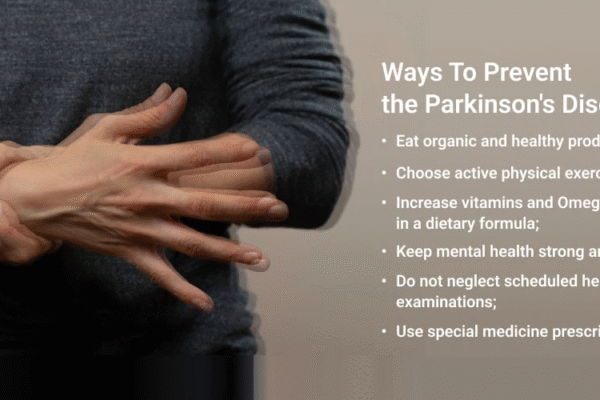
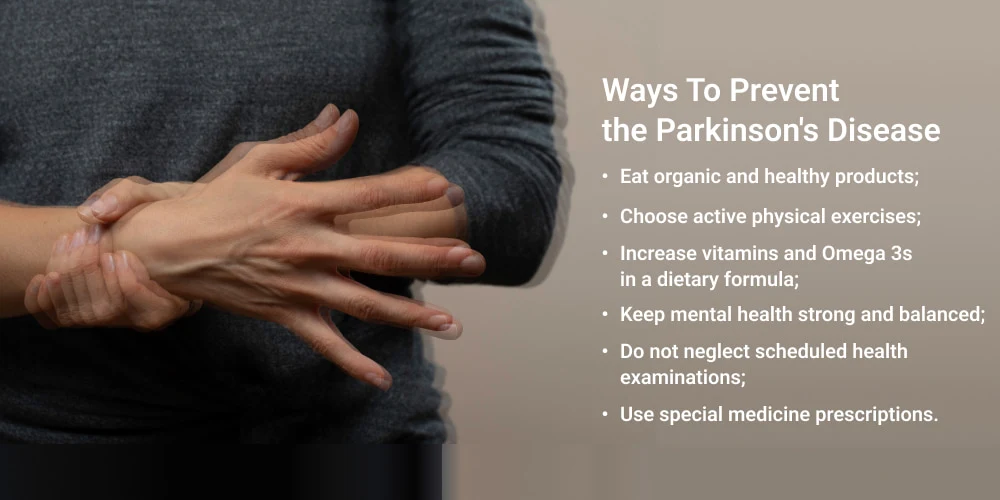
While there is currently no guaranteed way to prevent Parkinson’s disease, several lifestyle choices may help reduce the risk or delay its onset.
Regular physical activity is one of the most effective protective measures. Exercise not only improves mobility and balance but also supports brain health by enhancing blood flow and promoting the release of beneficial neurochemicals. Activities such as walking, yoga, and strength training can be particularly helpful.
Diet also plays an important role. A balanced diet rich in antioxidants—found in fruits, vegetables, nuts, and whole grains—can help combat oxidative stress, which is believed to contribute to neuronal damage. Healthy fats, such as those found in seeds and certain oils, support overall brain function.
Avoiding exposure to harmful chemicals is another key preventive step. Minimizing contact with pesticides and ensuring clean air and water can reduce environmental risks associated with the disease.
Emerging research also suggests that mental well-being and stress management may influence neurological health. Chronic stress can affect brain function and may indirectly increase vulnerability to neurodegenerative conditions. Practices such as meditation, mindfulness, and adequate sleep can help maintain overall brain resilience.
Early detection is equally important. Recognizing initial symptoms—such as slight tremors, changes in handwriting, or reduced facial expression—can lead to timely medical consultation and better management of the condition.
A Growing Need for Awareness
Parkinson’s disease is not just a condition of aging but a complex disorder influenced by multiple factors, including genetics, environment, and lifestyle. The recent findings by Dr Indrani Datta and her team highlight the need for more inclusive and population-specific research, especially in countries like India.
As understanding of the disease evolves, awareness becomes the first step toward prevention and better care. While a cure remains elusive, informed lifestyle choices and early intervention can significantly improve quality of life and potentially reduce the overall burden of the disease.

Prerna Varshney is a journalist and social commentator with over five years of experience in health, gender, and policy reporting. Her work reflects a deep commitment to truth and empathy, simplifying complex issues for everyday readers.