





Vegetarian Foods That Have More Protein Than Fish
For decades, fish has been considered one of the best natural sources of protein. Nutritionists often recommend it for muscle building, heart health, and overall wellness. However, emerging dietary research and evolving food habits suggest that several vegetarian foods not only match but, in some cases, exceed the protein content of certain fish varieties — while also offering additional health benefits.
Experts in clinical nutrition and plant-based diets are now highlighting six vegetarian foods that can deliver high protein levels without the concerns sometimes associated with seafood consumption, such as mercury exposure, sustainability issues, and cholesterol intake.
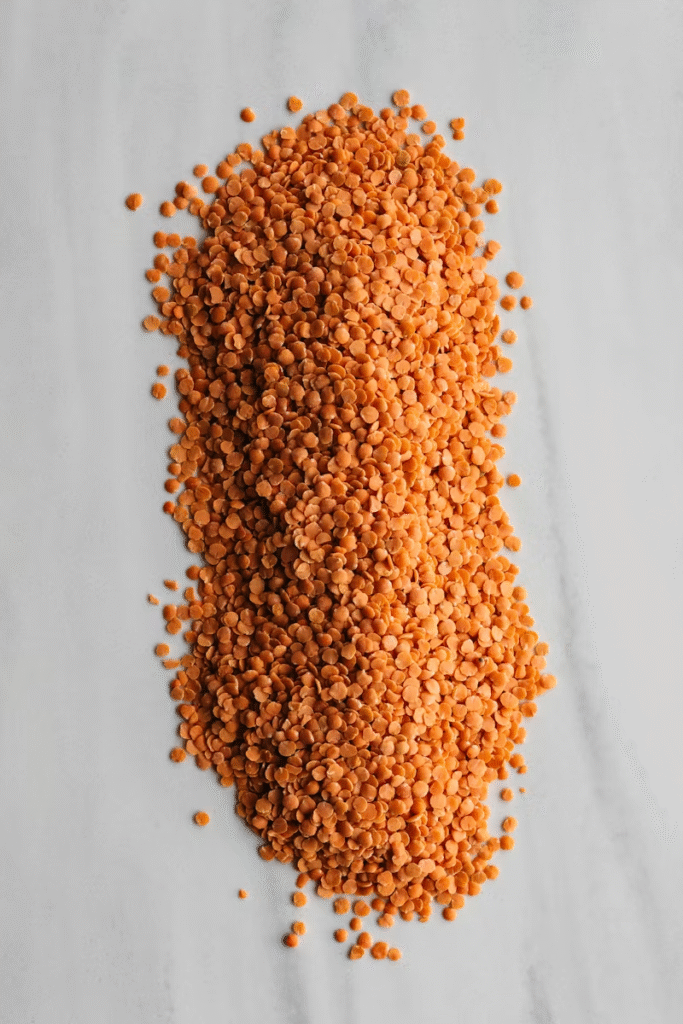
Lentils (Masoor, Toor, Moong)
Lentils are among the most protein-dense plant foods. One cup of cooked lentils contains approximately 18 grams of protein — comparable to or even exceeding the protein content in some servings of fish. They are also rich in fiber, iron, and folate.
Unlike fish, lentils contain zero cholesterol and are low in fat. The high fiber content also improves gut health and stabilizes blood sugar levels, making them ideal for diabetics and heart patients.
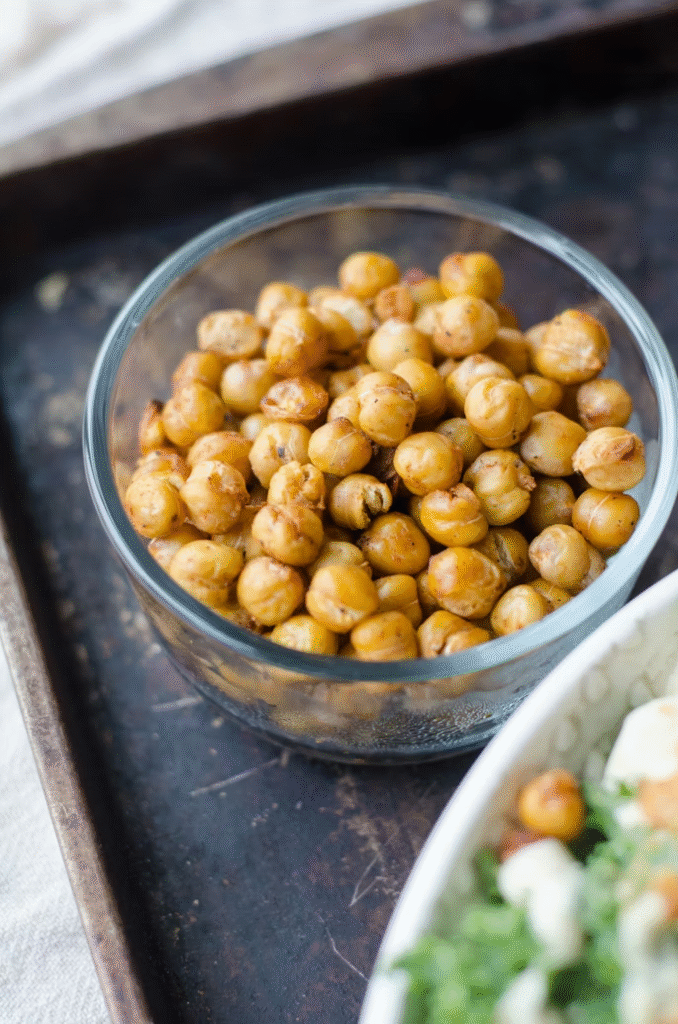
Chickpeas (Chana)
Chickpeas provide about 14–15 grams of protein per cooked cup. Beyond protein, they are packed with complex carbohydrates and soluble fiber, which promote satiety and digestive health.
Nutrition experts point out that chickpeas support weight management because they keep you full longer, reducing unnecessary snacking. In comparison, fish offers protein but lacks dietary fiber.
Paneer (Cottage Cheese)
Paneer is a protein powerhouse in vegetarian Indian diets. Around 100 grams of paneer can provide 18–20 grams of protein, depending on preparation.
While paneer contains saturated fat, experts suggest opting for low-fat or homemade versions for healthier consumption. Paneer also supplies calcium, which fish may not always provide in significant amounts unless bones are consumed.

Soybeans and Tofu
Soybeans are among the richest plant-based protein sources, offering approximately 28 grams of protein per cooked cup — higher than many fish varieties. Tofu, made from soy, provides around 10 grams per 100 grams and is considered a complete protein containing all essential amino acids.
Dieticians emphasize that soy protein has been widely studied for heart health benefits and may help reduce LDL cholesterol levels.
Quinoa
Quinoa stands out because it is a complete protein grain. One cooked cup provides about 8 grams of protein, and it contains all nine essential amino acids. Though slightly lower in quantity compared to lentils or soybeans, its quality of protein is exceptional.
Quinoa is also gluten-free and rich in magnesium and antioxidants, making it suitable for people with gluten intolerance or those seeking nutrient-dense grains.
Peanuts and Almonds
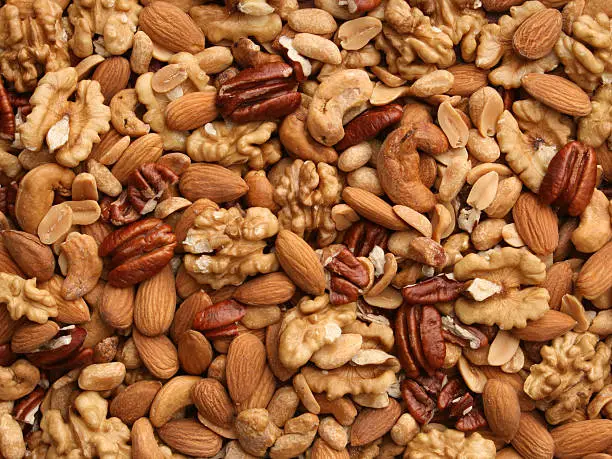
Nuts are often overlooked as protein sources. Peanuts contain around 25 grams of protein per 100 grams, while almonds offer approximately 21 grams per 100 grams.
Although calorie-dense, nuts provide healthy fats, vitamin E, and antioxidants. Experts recommend moderate portions for heart health benefits.
Why Experts Say Vegetarian Protein May Be a Healthier Option
While fish is rich in omega-3 fatty acids and lean protein, concerns about heavy metal contamination, environmental pollutants, and overfishing are growing. Some fish varieties may also carry higher cholesterol levels.
Plant-based proteins, on the other hand, typically come with added fiber, antioxidants, phytochemicals, and lower saturated fat. These components contribute to improved digestion, reduced inflammation, and better long-term heart health.
However, nutritionists caution that balance is key. A well-planned vegetarian diet should ensure adequate vitamin B12, iron absorption, and omega-3 intake, which may require fortified foods or supplementation.
Fish remains a strong protein source, but it is no longer the only superior option. Lentils, soybeans, paneer, chickpeas, quinoa, and nuts offer competitive — and sometimes higher — protein levels with added plant-based health benefits.
As dietary preferences evolve and more people shift toward vegetarian or flexitarian lifestyles, these foods provide sustainable, accessible, and nutritionally robust alternatives for meeting daily protein needs.

Prerna Varshney is a journalist and social commentator with over five years of experience in health, gender, and policy reporting. Her work reflects a deep commitment to truth and empathy, simplifying complex issues for everyday readers.