





War Clouds Over Tehran: The Shift to a “Sustained” Strategy
War Clouds Over Tehran as the U.S. Military is preparing for the possibility of sustained, weeks-long operations against Iran if President Donald Trump orders an attack
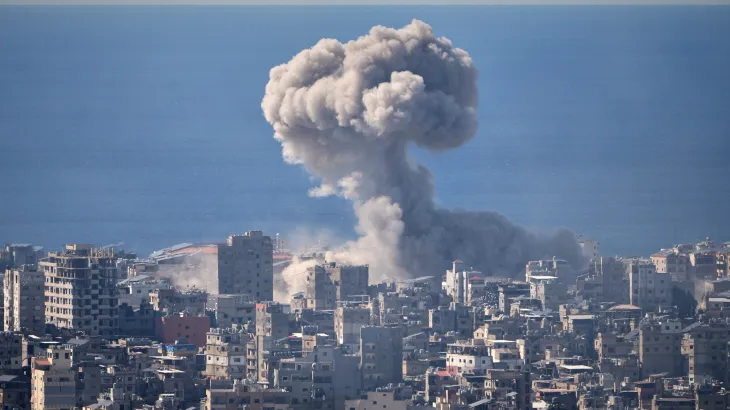
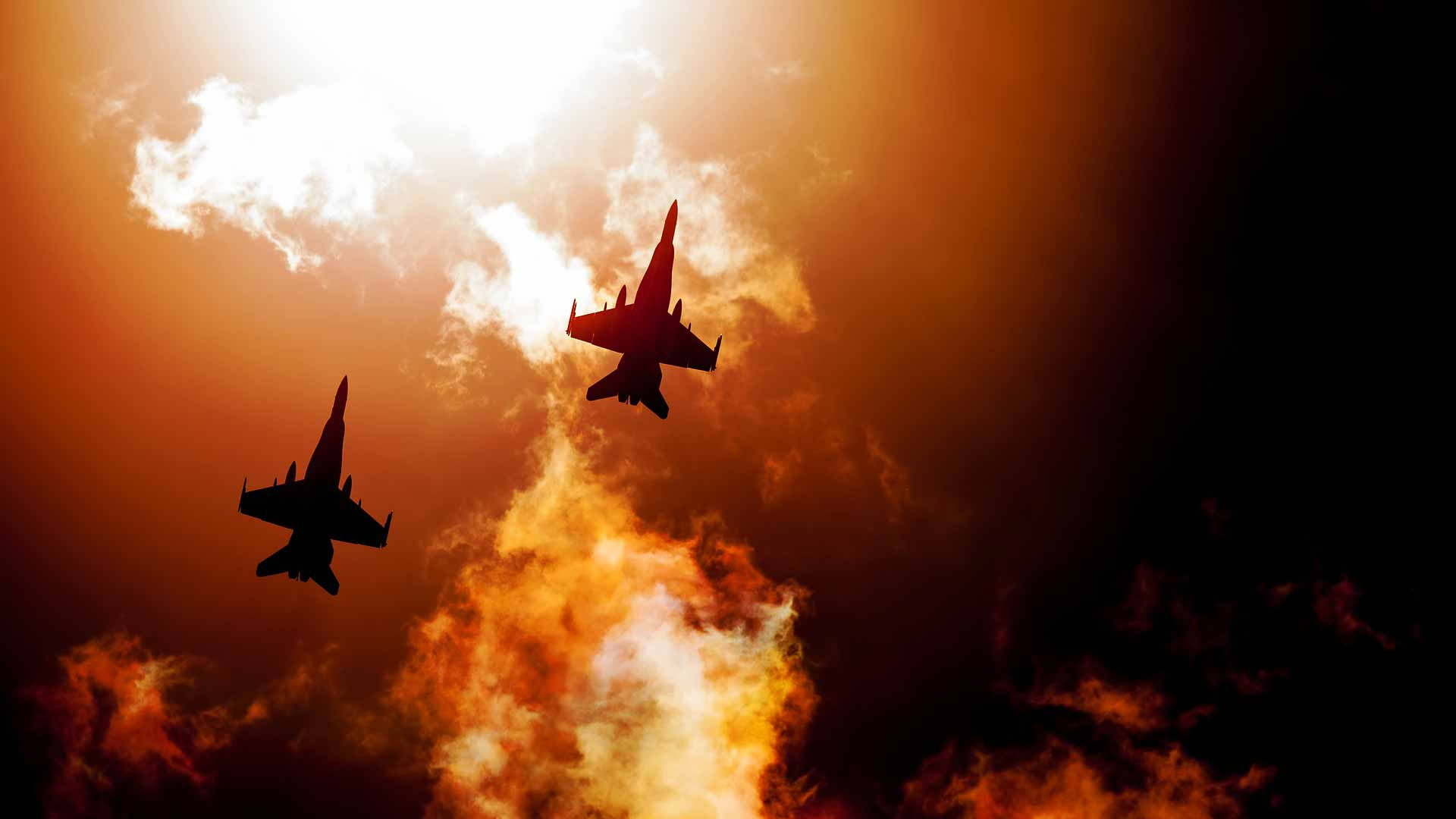
WASHINGTON, D.C. — In the corridors of the Pentagon, the operational tempo has shifted from “contingency” to “preparation.” As of mid-February 2026, the U.S. military is no longer just planning for surgical strikes; it is actively preparing for a sustained, weeks-long air and naval campaign against Iran.
This strategic pivot, revealed by senior defense officials, marks a departure from the “one-off” nature of previous engagements, such as 2025’s Operation Midnight Hammer, which targeted specific nuclear facilities. Should President Donald Trump issue the order, the United States appears ready to dismantle not just a program, but the very infrastructure of the Iranian state.
A Double-Carrier Buildup
The scale of the current mobilization is the most significant in the region since the early 2000s. On February 13, 2026, the Pentagon confirmed the deployment of a second aircraft carrier, the USS Gerald R. Ford, to join the USS Abraham Lincoln strike group already stationed in the Arabian Sea.
This “dual-carrier” presence provides more than just a psychological deterrent. It allows for:
- Continuous Sorties: Maintaining 24-hour flight operations to suppress Iranian air defenses.
- Logistical Depth: Thousands of additional troops, guided-missile destroyers, and F-35 stealth fighters now saturate the theater.
- Integrated Missile Defense: The deployment of mobile Patriot missile batteries at Al-Udeid Air Base in Qatar to intercept expected Iranian retaliatory strikes.
From “Surgical” to “Sustained”
Analytical circles in Washington suggest the shift to a weeks-long operation reflects a hard-learned lesson: Iran’s resilience. Unlike the 12-day skirmishes of the past, a sustained campaign would target state security facilities, command-and-control hubs, and the Islamic Revolutionary Guard Corps (IRGC) infrastructure.
President Trump, speaking at Fort Bragg on February 13, signaled this broader intent. “Sometimes you have to have fear,” he told troops, later floating the possibility of regime change as “the best thing that could happen.” While the administration remains wary of “boots on the ground,” the sheer volume of air and naval assets suggests an intent to achieve political outcomes through overwhelming kinetic force.
The Diplomatic Paradox
Paradoxically, this buildup occurs as U.S. envoys Steve Witkoff and Jared Kushner prepare for high-stakes negotiations in Geneva on February 17. The “Maximum Pressure” 2.0 strategy relies on the credible threat of total destruction to force Tehran into a restrictive new nuclear and missile deal.
However, the risks are immense. Security analysts warn that a weeks-long campaign makes “back-and-forth” reprisals inevitable. Iran has already threatened to strike U.S. bases in Jordan, Kuwait, and the UAE if its territory is hit.
“We are entering a phase where the margin for miscalculation is zero,” says one Western intelligence source. “The U.S. is prepared for a marathon, but the region may not survive the first mile.”
The Road Ahead
As the USS George H.W. Bush also undergoes drills off the U.S. East Coast for potential deployment, the message to Tehran is clear: the era of the “limited strike” is over. Whether this leads to a diplomatic breakthrough in Geneva or a protracted regional war depends on whether Tehran views the U.S. posture as a bluff or a blueprint

NewsHasghag operates a 24/7 news bureau that tracks the real-time, social media-driven stories from India and around the world, keeping you ahead of the day’s key talking points. Our digital-first approach transforms storytelling through the seamless integration of data, interactive charts, video, and audio into every narrative