



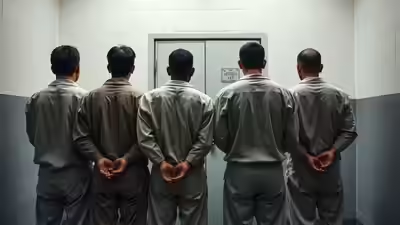



What the Indian Republic owes Its citizens beyondl laws is really a matter of great discussion. A Republic is often measured by its Constitution, its courts, and its elections. These visible structures define the legal framework of a nation. Yet no Republic survives on law alone.
Beyond written statutes lies an unwritten moral contract — quieter, more fragile, yet far more decisive in shaping whether citizens merely exist within a state or truly belong to it. Understanding what the Indian Republic owes its citizens requires looking beyond legality into dignity, care, and moral attention.
Highlights
The Indian Republic and the Promise of Dignity
The Indian Republic owes its citizens more than the enforcement of rights. It owes them dignity — not as a concession, but as a starting point. While laws can define entitlements, dignity is sustained by how institutions listen, how systems respond to vulnerability, and how authority behaves when no rule explicitly instructs it to care.
Legal compliance alone cannot guarantee human dignity. The moral strength of the Republic is revealed in everyday governance, where citizens encounter the state not as a concept, but as a lived experience.
Citizenship Beyond Law: The Missing Emotional Contract
There are dimensions of citizenship that no law can fully codify. Emotional safety rarely appears in legal texts, yet its absence erodes public trust faster than any breach of statute. When citizens are forced to endure harm silently, explain their suffering repeatedly without response, or accept neglect as a routine cost of living, the Indian Republic weakens — not through malice, but through indifference.
Institutional Failure and the Illusion of Procedure
Much institutional failure arises not from intent, but from inattention. Files move, procedures function, forms are stamped — yet the human reality beneath them remains unseen. This procedural blindness creates a dangerous illusion: that justice has been delivered simply because a process was followed.
Process without care becomes an empty ritual. What the Republic owes its citizens is not just procedure, but presence — an assurance that behind every formality stands a listening conscience.
Silence, Endurance, and the Cost to Democracy
Silence is one of the most underestimated forces in public life. When suffering is met with quiet endurance, it is often mistaken for resilience. When citizens do not protest, institutions assume consent. Over time, this normalisation of silence shifts the burden of adjustment onto individuals, while systems absolve themselves through inaction.
A Republic that confuses endurance with strength risks cultivating citizens who survive, but no longer trust. The long-term cost is disengagement, cynicism, and emotional withdrawal from public life — an ethical hollowing even as administrative systems continue to function.
Moral Self-Correction: The Strength of the Indian Republic
This is not an argument of despair. The Indian Republic has endured precisely because it has, at critical moments, been capable of moral self-correction. Its resilience has never rested solely in power, but in the persistent insistence of its people that the nation remember its conscience.
This insistence does not need to be loud. It needs only to be clear, principled, and persistent.
What the Republic Ultimately Owes Its Citizens
What the Indian Republic owes its citizens is not perfection, but sincerity — a genuine attempt to see, to hear, and to respond. Laws can punish wrongdoing; only moral attention can prevent it. Rights can be claimed in courts; dignity must be upheld in everyday governance.
What the Indian Republic Owes Its Citizens Beyond Laws-Preserving the Soul of the Nation
A Republic survives not because it is invincible, but because enough people refuse to let it forget what it was meant to protect. When citizens speak not in anger but in moral clarity, they do more than demand accountability — they preserve the soul of the nation.

Prabha Gupta is a veteran journalist and civic thinker dedicated to the constitutional ideals of dignity and institutional ethics. With over thirty years of experience in public communication, her work serves as a bridge between India’s civil society and its democratic institutions. She is a prominent voice on the evolution of Indian citizenship, advocating for a national discourse rooted in integrity and the empowerment of the common citizen