






Why the Rupee Is Falling: Foreign Outflows and Global Risk
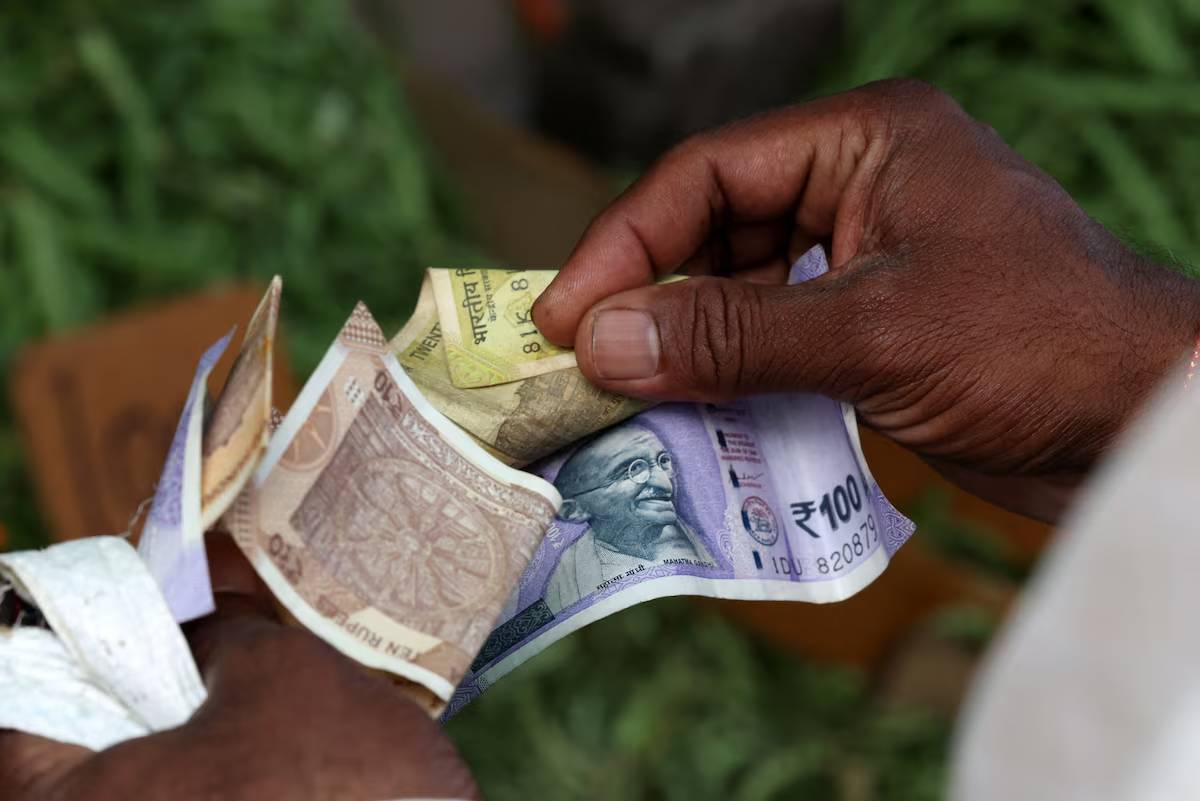
The Indian currency is under acute pressure, and many are now asking why the rupee is falling so sharply. As the exchange rate heads dangerously close to 90 per US dollar, the weakness of the rupee has become a national concern. This sudden slide not only reflects global uncertainty but also exposes vulnerabilities in India’s financial flows, investment climate, and import-heavy economy.
Foreign institutional investors have reduced exposure to emerging markets, including India. Many shifted their money to the US because yields there are higher and the dollar is stronger. As a result, demand for the rupee weakened further.
At the same time, rising oil prices added pressure. Since India imports more than 85% of its crude, every increase in oil prices pushes up import bills and drains dollars.
Moreover, global funds prefer safer currencies during uncertain periods, which strengthens the dollar and makes emerging market currencies fall.
Although India’s domestic economy is stable, the global environment has turned unfriendly. Therefore, even strong GDP numbers or healthy corporate earnings cannot immediately reverse foreign selling. This imbalance naturally weakens the rupee.
Why the Rupee Is Falling: The Global and Domestic Triggers
As the rupee approached 90, traders reported heavy intervention by the RBI.
The central bank sold dollars from its reserves to slow the fall and reduce volatility. This move signals that the RBI wants to protect confidence in the currency, especially at a level that carries symbolic weight for investors and the public.
RBI has repeatedly said that it does not target a specific exchange rate. Yet, its actions show a clear preference for preventing sudden fluctuations.
By releasing dollars into the market, the RBI ensures that the rupee does not face a free fall, which would make imports costlier, fuel inflation, and create panic.
Still, defending a level like 90 cannot continue forever. India’s foreign exchange reserves are strong, but they are not unlimited. If global conditions remain tight and foreign investors keep selling, the pressure on the rupee may return.
What It Means for Indians
A weaker rupee affects everyday life. Imported goods become costlier, including fuel, electronics, and medical equipment. Travel and foreign education also become more expensive.
Businesses that rely on imports face higher expenses, while exporters benefit from a cheaper rupee. Therefore, the impact depends on where people and industries stand in the economic chain.
The rupee’s fall reflects a combination of global uncertainty, foreign outflows, and domestic pressures. While the RBI has stepped in to defend the 90 level, long-term stability depends on sustained investor confidence and a more stable global outlook.
For now, the rupee remains under watch as markets wait to see whether the RBI’s defence holds or foreign flows improve.

NewsHasghag operates a 24/7 news bureau that tracks the real-time, social media-driven stories from India and around the world, keeping you ahead of the day’s key talking points. Our digital-first approach transforms storytelling through the seamless integration of data, interactive charts, video, and audio into every narrative