

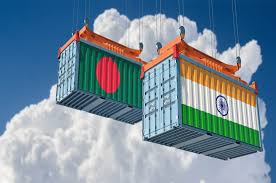
The Future of India-Bangladesh Trade: Industry Shifts and Global Interests
The economic corridor between India and Bangladesh is undergoing its most significant test in decades. As the political dust begins to settle in Dhaka, a new reality is emerging for regional commerce. While the future of India-Bangladesh trade remains promising, it is now deeply intertwined with global geopolitics and internal security. For businesses and policymakers, the focus has shifted from simple “buying and selling” to building resilient, strike-proof supply chains.
The Backbone: Garments, Jute, and Emerging Sectors
The Readymade Garment (RMG) sector is the undisputed engine of the Bangladeshi economy. It accounts for over 80% of the country’s total exports. However, the recent unrest has forced many factories to pause operations, leading to a ripple effect in India. Indian textile hubs like Tirupur and Surat often supply the raw yarn and fabric that Bangladeshi factories turn into finished apparel for global brands. If the RMG sector stumbles, the Indian textile supply chain feels the pain immediately.
Beyond garments, several other sectors are vital to the future of India-Bangladesh trade:
- Pharmaceuticals: Bangladesh is becoming a hub for generic drugs. India remains a primary supplier of Active Pharmaceutical Ingredients (APIs).
- Jute and Textiles: As the world moves away from plastic, the demand for Bangladeshi jute in India is rising for eco-friendly packaging.
- Leather Goods: Footwear and leather exports are growing rapidly, with Indian investors looking to set up manufacturing units in Bangladesh’s specialized zones.
- Agricultural Trade: India remains the “food bowl” for Bangladesh, providing essential commodities like onions, rice, and wheat during times of domestic shortage.
Unrest and the “International Agency” Factor
A recurring question among analysts is whether the recent unrest was purely internal or fueled by external interests. On the ground, the transition has been monitored closely by several international bodies. The United Nations (UN) has been active in overseeing human rights and civil stability during the interim period. Furthermore, the International Monetary Fund (IMF) and the World Bank are playing a “behind-the-scenes” role by tying future loans to political and economic reforms.
However, many geopolitical experts point toward more strategic “agencies” and foreign interests. There are ongoing debates regarding the influence of Western intelligence agencies and regional power players who seek to diminish India’s “Big Brother” role in the neighborhood. Some argue that international NGOs and foreign-funded think tanks have influenced the narrative to push for a government that is more aligned with Western Indo-Pacific strategies. While these claims are often hard to verify, they create a layer of suspicion that complicates the future of India-Bangladesh trade and diplomatic trust.
Infrastructure: The Key to 2026 Stability
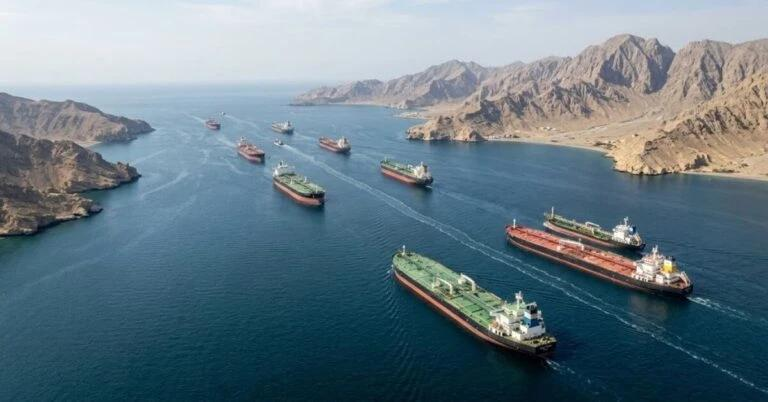
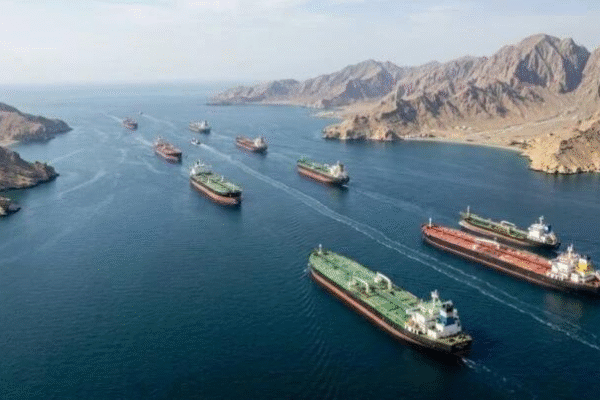
To protect trade from political shocks, both nations are investing in “bypass infrastructure.” This means moving trade away from vulnerable road checkpoints and onto more secure rail and sea routes. The Coastal Shipping Agreement is a prime example. By shipping goods directly from Chittagong to Kolkata or Chennai, traders can avoid the protests and blockades that often paralyze land borders.
Furthermore, the proposed Comprehensive Economic Partnership Agreement (CEPA) will be the ultimate shield. If signed in 2026, it will provide a legal framework that protects investments regardless of which government is in power. This treaty is essential for Indian companies that have poured millions into Bangladesh’s power and energy sectors.
A Delicate Balance
The future of India-Bangladesh trade is a story of interdependence. India needs a stable neighbor to ensure the security of its Northeast region. Conversely, Bangladesh needs the Indian market to maintain its “Developing Country” momentum. While international agencies and foreign interests may attempt to steer the ship, the sheer volume of bilateral trade—currently exceeding $15 billion—suggests that economic logic will eventually prevail over political chaos.

Prabha Gupta is a veteran journalist and civic thinker dedicated to the constitutional ideals of dignity and institutional ethics. With over thirty years of experience in public communication, her work serves as a bridge between India’s civil society and its democratic institutions. She is a prominent voice on the evolution of Indian citizenship, advocating for a national discourse rooted in integrity and the empowerment of the common citizen