






Why Gold and Silver ETFs Are Falling Sharper Than Physical Prices: A Guide for Investors
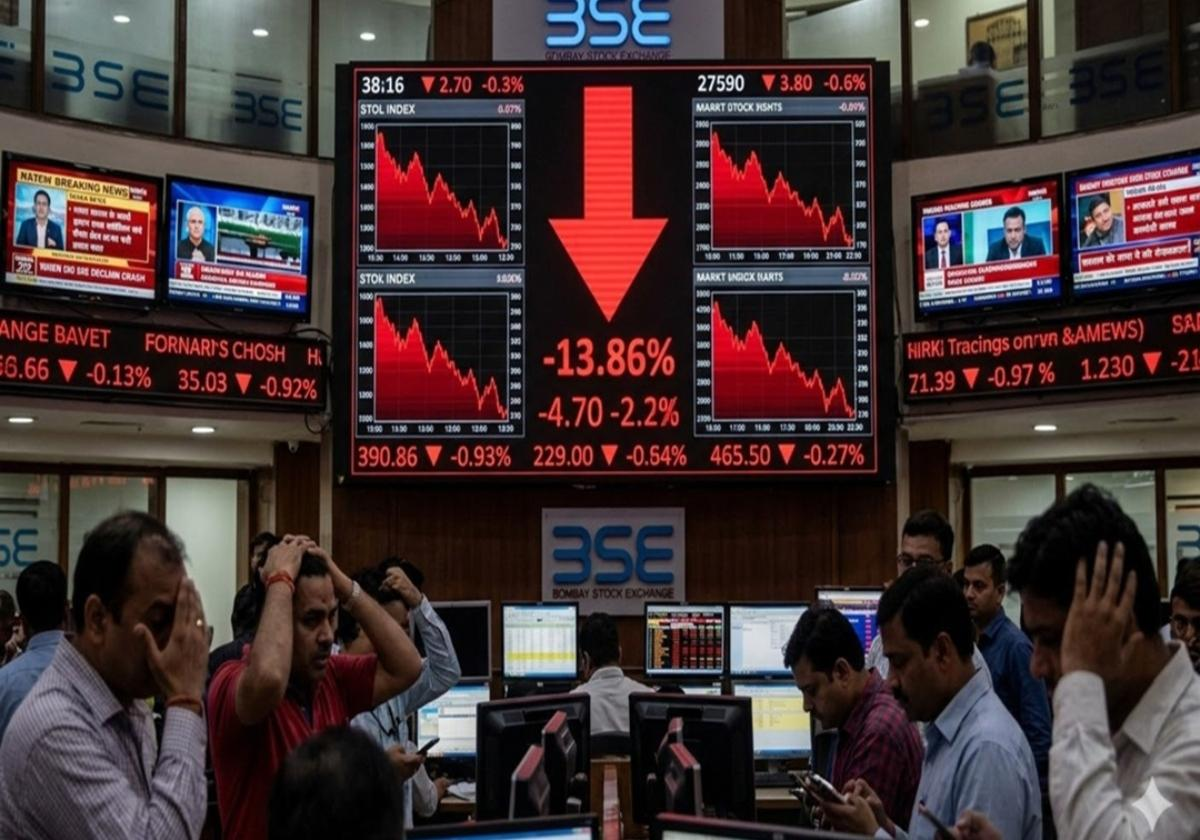
In late January 2026, many Indian investors woke up to a shock: while global gold and silver prices dipped slightly, their Exchange Traded Funds (ETFs) crashed by as much as 10% to 20% in a single morning. This “dislocation” has left many wondering if their digital gold is truly safe.
However, market experts suggest that this is a technical phenomenon rather than a loss of value. If you are holding these units, here is why you should not panic and why the “ETF crash” is actually a sign of market mechanics at work.
The “Panic at the Exit” Phenomenon
Exchange Traded Funds are designed to track the Indicative Net Asset Value (iNAV)—the real-time value of the physical metal held in vaults. However, unlike physical gold, ETFs trade on the stock exchange like regular shares.
When global sentiment shifts—such as President Trump’s recent easing of geopolitical tensions over Greenland—speculative investors rush to sell. If hundreds of investors try to sell their units at the same time, but there aren’t enough buyers on the exchange, the market price of the ETF can fall far below its iNAV.
Unwinding the “Premium” Trap
Before this week’s dip, many Silver ETFs in India were trading at a premium. This means investors were paying more for the ETF unit than the silver was actually worth. When the market turned, this “inflated” premium evaporated instantly.
For example, on January 22, 2026:
- International Silver fell only about 1.5%.
- Domestic Silver Futures (MCX) dropped roughly 2%.
- Silver ETFs (like Nippon or ICICI Pru) crashed nearly 12% to 19%.
This massive gap occurs because the ETF is moving from a “High Premium” (trading above value) to a “Deep Discount” (trading below value) due to panic selling.
Why Long-Term Investors Should Stay Calm
If you are holding gold or silver for the long term, these daily price dislocations are temporary. Here is why:
- The Gold is Still There: Every ETF unit is backed by physical 99.5% pure gold or silver stored in secure, audited vaults. The physical metal hasn’t vanished or lost 20% of its weight.
- Arbitrage Will Fix It: When an ETF falls too far below the actual metal price, large institutional players (Authorized Participants) step in. They buy the “cheap” units and exchange them for physical metal at a profit. This “arbitrage” eventually forces the ETF price back up to match the metal’s true value.
- Liquidity Factors: Gold ETFs generally have deeper liquidity and smaller price gaps. Silver, being a smaller market with high industrial demand, often sees wider “tracking errors” and more dramatic swings.
Strategic Takeaway: Buy the Dip, Don’t Follow the Panic
For a smart investor, a 15% drop in an ETF when the actual metal is only down 2% is a buying opportunity. You are essentially buying gold at a massive discount compared to the market rate.

NewsHasghag operates a 24/7 news bureau that tracks the real-time, social media-driven stories from India and around the world, keeping you ahead of the day’s key talking points. Our digital-first approach transforms storytelling through the seamless integration of data, interactive charts, video, and audio into every narrative