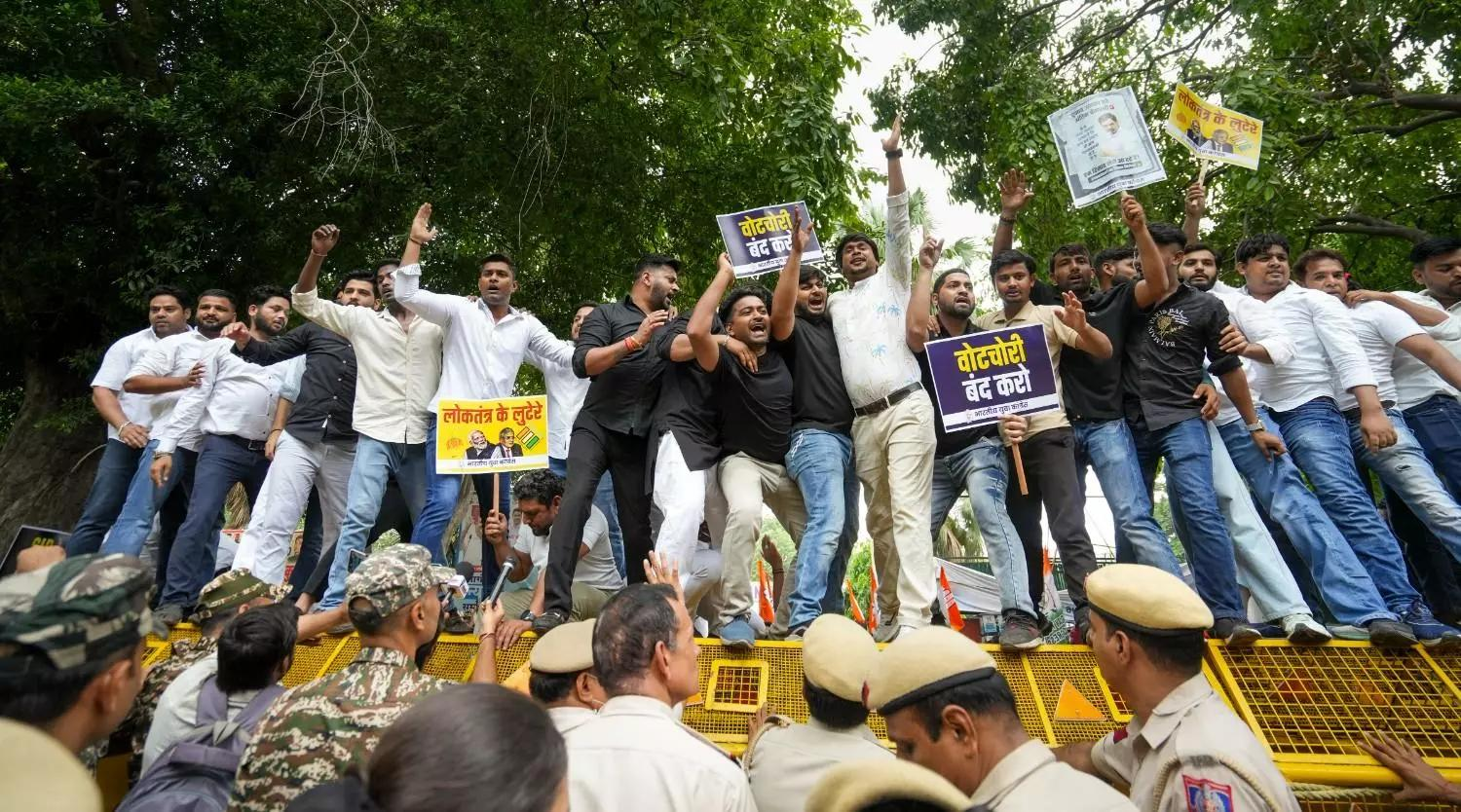







In June 2024, the National Testing Agency (NTA) took the unprecedented step of cancelling the UGC-NET exam just 24 hours after nearly 11 lakh students sat for it. The reason? Inputs from the National Cyber Crime Threat Analytics Unit suggested the integrity of the exam—conducted via OMR for the first time in years—had been “compromised.”
The optics were disastrous. This followed closely on the heels of the NEET-UG controversy, creating a narrative of a testing system in freefall. Investigative reports pointed to papers being sold on the “Darknet” and encrypted platforms like Telegram for sums as high as ₹6 lakh. While the CBI later filed a closure report in early 2025 citing “doctored screenshots” rather than a widespread leak, the damage to public faith was already done. The government’s reactive stance—scrapping exams first and investigating later—revealed a “guilty until proven innocent” approach to its own infrastructure.
The “Equity” Regulations of 2026: A New Battleground
If 2024 was about paper leaks, 2026 has become about the “Moral Soul” of the campus. The notification of the UGC (Promotion of Equity in Higher Education Institutions) Regulations, 2026 has ignited a firestorm that transcends academic circles.
These rules mandate Equal Opportunity Centres and Equity Committees to combat the rising tide of caste discrimination—which saw a staggering 118% surge in reported cases over five years. However, the uproar stems from Regulation 3(c), which specifically protects SC, ST, and OBC students. Critics and petitioners in the Supreme Court argue this institutionalizes “reverse discrimination” by excluding General Category students from the same protective ambit.
As a Civic Thinker, I ask: Can we build a truly equitable institution by narrowing the definition of a victim? While the intent to protect historically marginalized voices is constitutionally sound, the implementation has sparked resignations and protests, even from within the ruling party’s own cadres in states like Uttar Pradesh.
Centralization vs. Autonomy
The broader analytical view reveals a push toward radical centralization. By making PhD admissions dependent almost entirely on NET scores (70% weightage) and reducing the validity of these scores to one year, the UGC has effectively stripped universities of their unique research identities.
Journalistically, we see a pattern: the government is treating the diverse landscape of Indian education as a monolith. Whether it is the Vikshit Bharat Shiksha Aadhishthan Bill (aiming to replace the UGC) or the new “Equity Squads,” the focus has shifted from funding and academic freedom to policing and compliance.
The Path Forward
The “UGC Uproar” is a symptom of a deeper malaise—the erosion of Constitutional Morality within our regulators. To restore trust, the UGC must move beyond “draconian” grievance redressal and return to its core mandate: maintaining academic standards while respecting institutional autonomy.
We don’t just need new laws like the Public Examinations Act; we need a restoration of the “Human Factor.” When students brave 45-degree heat to reach centers 20km away, only to be told their effort was “compromised,” we aren’t just losing an exam cycle—we are losing a generation’s belief in the fairness of the Indian Republic.

Prabha Gupta is a veteran journalist and civic thinker dedicated to the constitutional ideals of dignity and institutional ethics. With over thirty years of experience in public communication, her work serves as a bridge between India’s civil society and its democratic institutions. She is a prominent voice on the evolution of Indian citizenship, advocating for a national discourse rooted in integrity and the empowerment of the common citizen