



Why Gold and Silver Are Falling Despite Worsening US-Iran War
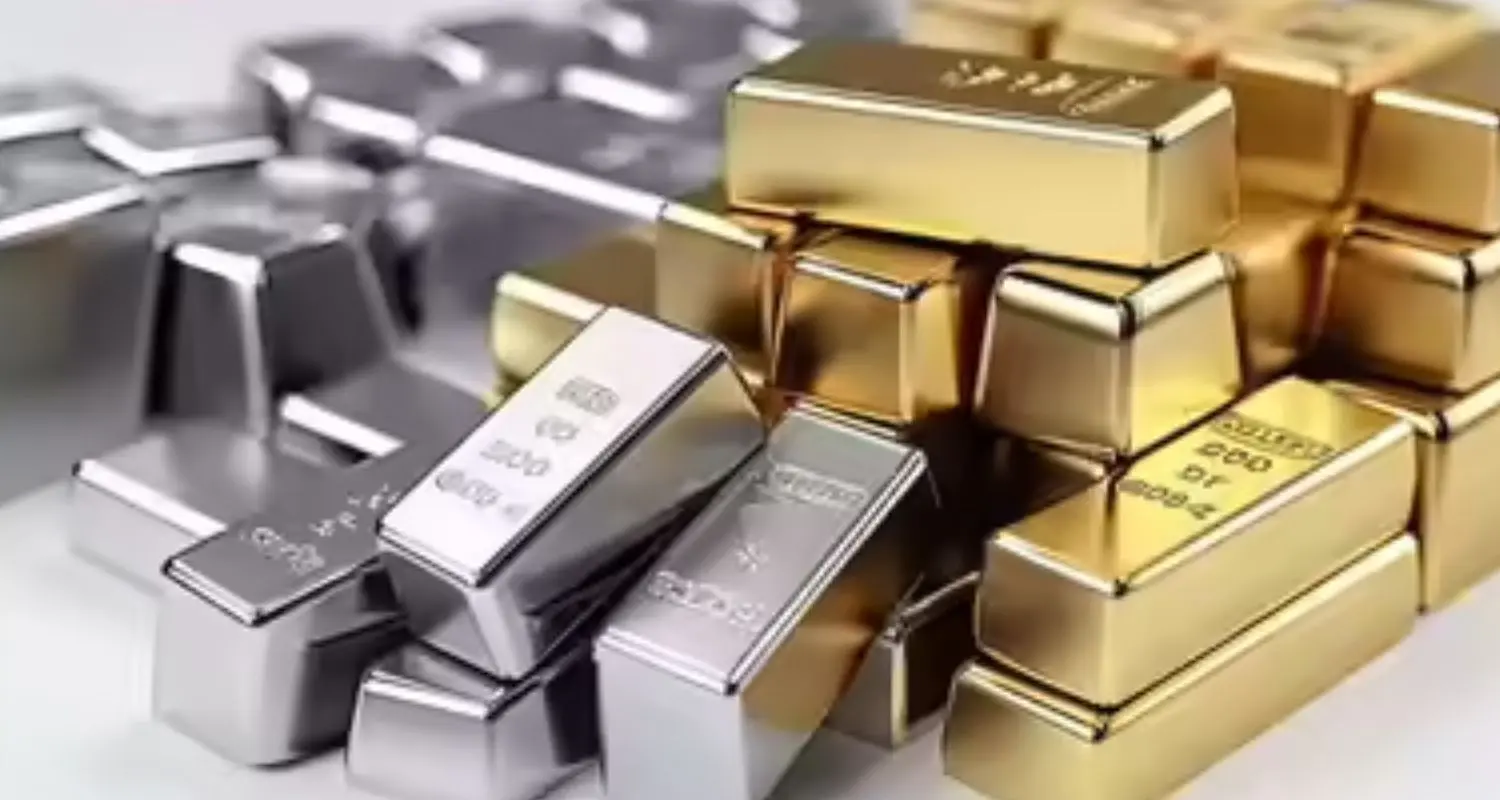
At times of geopolitical turmoil, investors usually rush toward safe-haven assets such as gold and silver. Historically, wars and global conflicts have pushed precious metal prices higher as markets seek stability during uncertainty. However, recent developments have surprised investors as bullion prices have shown signs of weakness even as tensions between the United States and Iran escalate.
Reasons Behind the Decline
- Strong US Dollar: A stronger dollar makes gold and silver more expensive for global buyers, reducing demand.
- Rising US Bond Yields: Investors are shifting to interest-earning assets like government bonds.
- Profit Booking by Investors: Traders are selling after the strong rally in precious metals over the past year.
- Uncertainty Over Interest Rate Cuts: Expectations that the Federal Reserve may keep interest rates higher for longer are limiting bullion demand.
- Diversification into Other Safe Havens: Investors are moving funds into the US dollar and government bonds instead of only gold.
- Industrial Demand Concerns for Silver: Economic slowdown fears affect silver more due to its industrial usage.
Financial analysts say that while geopolitical risk normally boosts demand for precious metals, several powerful economic factors are currently influencing market behaviour and temporarily pushing gold and silver prices downward.
One of the most important factors is the strength of the US dollar. Gold and silver are priced globally in dollars, so when the dollar becomes stronger, the metals become more expensive for buyers using other currencies. This reduces international demand and can lead to price corrections. In recent weeks, the dollar has strengthened significantly amid global uncertainty and capital flows toward the US financial system.
Another major factor is the rise in US Treasury bond yields. Higher yields make government bonds more attractive because they generate regular income through interest payments. In contrast, gold and silver do not provide such returns. As bond yields climb, many institutional investors prefer shifting funds toward interest-bearing assets rather than holding non-yielding precious metals.
Expectations about US monetary policy are also influencing market trends. Investors had earlier anticipated that the Federal Reserve might begin cutting interest rates in the near future. However, rising oil prices linked to tensions in the Middle East have raised concerns about inflation. If inflation remains high, the Federal Reserve may delay interest rate cuts or maintain tighter monetary policy for longer. Higher interest rates typically weaken the appeal of gold and silver as investment assets.
Profit-booking is another reason for the recent decline in bullion prices. Over the past year, gold and silver recorded significant gains as investors sought protection against inflation, economic uncertainty and geopolitical tensions. When prices surged during the latest developments in the Middle East, many traders decided to lock in profits. This wave of selling has created short-term downward pressure on precious metal prices.
Market perception about the scale of the conflict is also playing a role. Although tensions between the United States and Iran have intensified, investors currently believe that the confrontation may remain limited and not expand into a full-scale regional war. Because of this perception, panic-driven buying of gold — which usually occurs during major wars — has not yet emerged strongly in global markets.
In addition, the range of safe-haven assets available to investors has expanded. In the past, gold was often the primary refuge during crises. Today, investors also move money into the US dollar, government bonds and other defensive assets. This diversification spreads safe-haven demand across different financial instruments, preventing gold and silver from experiencing dramatic price surges.
Silver faces an additional challenge compared to gold because it is widely used in industries such as electronics, renewable energy and manufacturing. If investors fear a slowdown in global economic growth due to geopolitical tensions, expectations of weaker industrial demand can weigh more heavily on silver prices.
Despite the current correction, many analysts believe the decline could be temporary. If the conflict between the United States and Iran escalates further or begins to disrupt global oil supplies, demand for safe-haven assets may rise quickly again.
For now, however, the global bullion market is being driven less by geopolitical fears and more by economic forces such as currency strength, interest rates and investor sentiment — illustrating how modern financial markets react to crises in increasingly complex ways.

NewsHasghag operates a 24/7 news bureau that tracks the real-time, social media-driven stories from India and around the world, keeping you ahead of the day’s key talking points. Our digital-first approach transforms storytelling through the seamless integration of data, interactive charts, video, and audio into every narrative