



Why Marriages Are Failing In India?
The Rise of Silent Coexistence
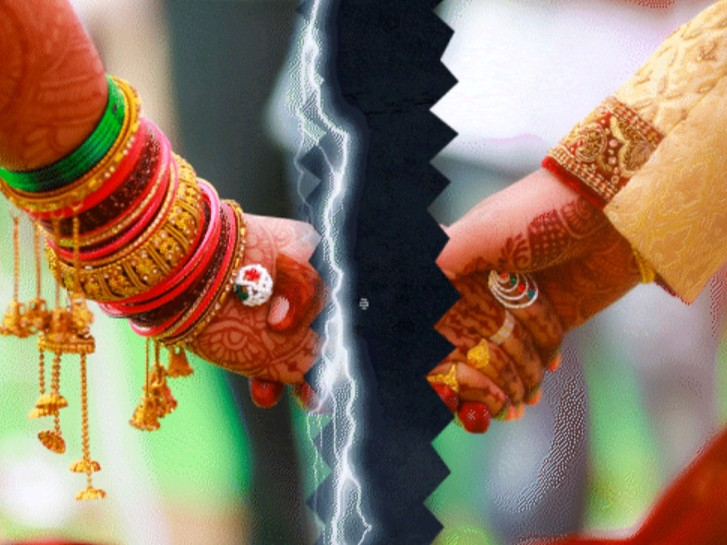
Why Marriages Are Failing In India? In many households, the visible structure of marriage remains intact—shared homes, family routines, social appearances. Yet beneath this surface, a quieter reality is emerging: a growing emotional distance between partners, often masked by occasional gestures of care.
Sociologists and relationship experts point to a pattern increasingly observed in long-term marriages, particularly in urban and semi-urban India. While traditional roles and responsibilities continue, emotional engagement between partners is often minimal. Instead, relationships operate on functionality—managing daily life, finances, and family obligations-without meaningful personal connection.
A common feature of such relationships is the presence of symbolic gestures. These may include bringing gifts, planning occasional outings, or marking special occasions like birthdays and anniversaries. On the surface, these actions suggest care and effort. However, experts argue that gestures alone cannot sustain a relationship in the absence of consistent emotional interaction.
“Gestures are not substitutes for communication,” says a Delhi-based family counselor. “They may create a temporary sense of normalcy, but they do not address underlying emotional gaps.”
In many cases, communication between partners becomes limited to logistics household chores, children’s needs, or routine updates. Conversations about personal thoughts, aspirations, or emotional concerns are either infrequent or entirely absent. Over time, this leads to what psychologists describe as “silent coexistence”—a state where two individuals share space but not emotional intimacy.
Why Inconsistency Creates Emotional Confusion
This pattern can have significant psychological effects. Individuals in such relationships often report feelings of loneliness, confusion, and emotional dissatisfaction. The intermittent nature of gestures, occasional acts of care followed by long periods of disengagement—can further complicate emotional responses. Behavioral experts refer to this as intermittent reinforcement, where inconsistent positive actions create uncertainty and prolong attachment despite dissatisfaction.
“People begin to question their own perceptions,” explains a Mumbai-based psychologist. “They may wonder if they are expecting too much, or misinterpreting the situation, even when their emotional needs are not being met.”
Another dimension of this issue lies in differing expectations. Many men, shaped by traditional roles, may perceive their presence and provision as sufficient contribution to the relationship. Women, on the other hand, increasingly seek emotional companionship, mutual respect, and meaningful dialogue. This mismatch often remains unaddressed, leading to a gradual widening of the emotional gap.
Importantly, the absence of overt conflict does not indicate a healthy relationship. In fact, the lack of arguments in such cases may reflect disengagement rather than harmony. When communication reduces to a minimum and emotional needs remain unspoken, relationships may continue in form but lose their substance.
Experts emphasize that sustainable relationships require more than occasional effort. Consistency in behavior, active listening, and emotional availability are considered essential components of long-term partnership. Without these, gestures risk becoming performative rather than meaningful.
As societal expectations evolve and individuals become more aware of their emotional well-being, the conversation around marriage is also changing. Increasingly, there is recognition that companionship involves not just shared responsibilities, but shared experiences and understanding.
The challenge, however, lies in acknowledging these gaps and addraddressing them constructively. While gestures may serve as reminders of intent, they cannot replace the everyday presence and engagement that form the foundation of a meaningful relationship.

Prabha Gupta is a veteran journalist and civic thinker dedicated to the constitutional ideals of dignity and institutional ethics. With over thirty years of experience in public communication, her work serves as a bridge between India’s civil society and its democratic institutions. She is a prominent voice on the evolution of Indian citizenship, advocating for a national discourse rooted in integrity and the empowerment of the common citizen