




Summary
- RBI’s cap on FX positions provides only fleeting relief
- Central bank likely intervened after INR fell past 95 – traders
- Analysts reckon INR prone to further depreciation
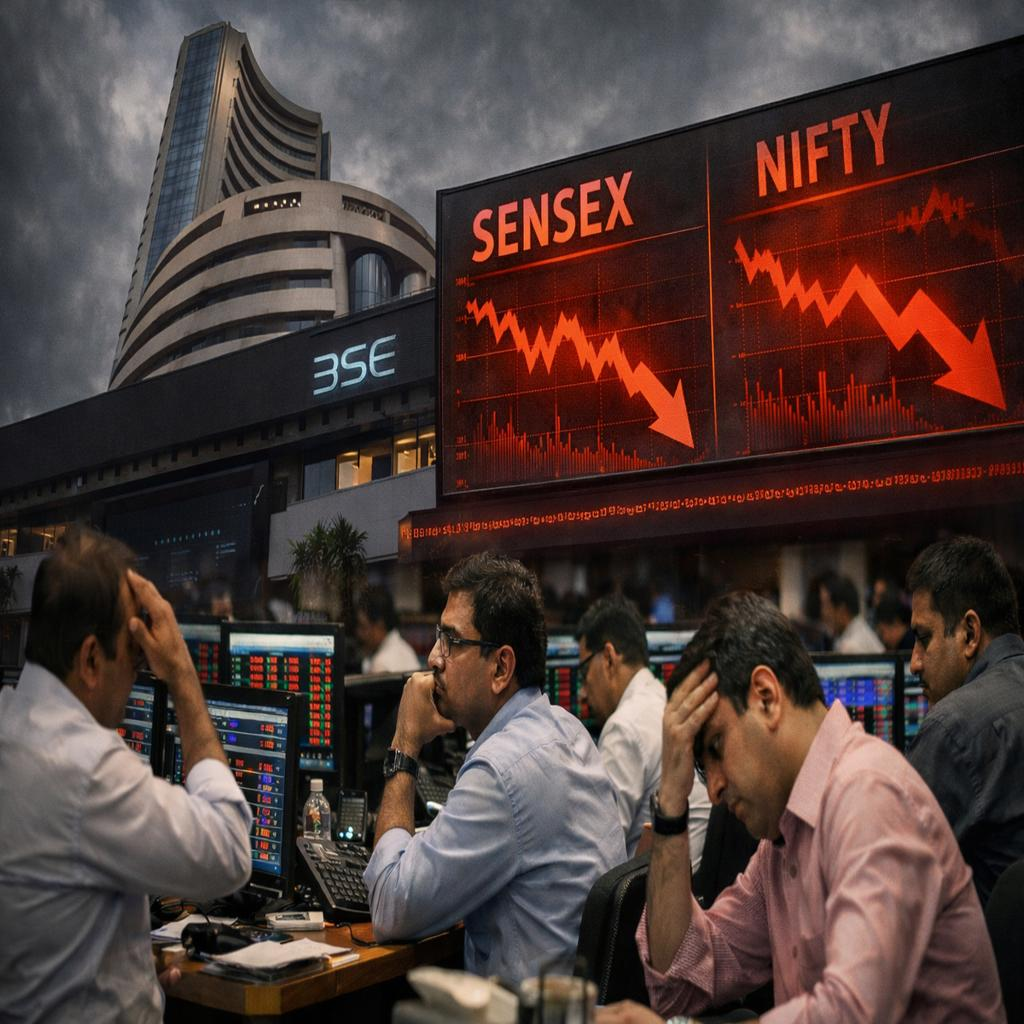
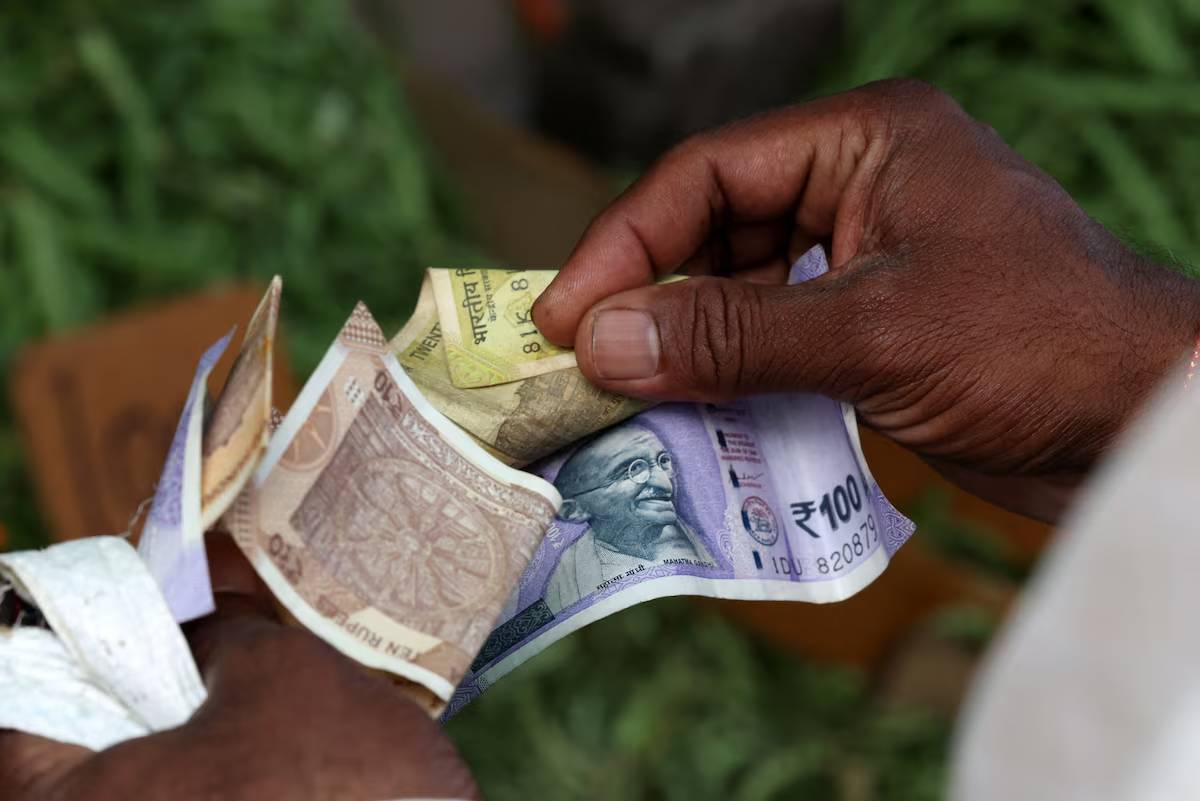
The Indian rupee has entered a period of intense volatility as the 2025-26 fiscal year draws to a close, crashing past the psychological barrier of 95 per US dollar. This latest slide marks the currency’s most significant fiscal year drop in over a decade, a decline fueled by a relentless surge in global crude oil prices and a massive exodus of foreign capital. For an economy heavily reliant on energy imports, the breach of the 95-level represents more than just a numerical milestone; it signals a period of heightened inflationary pressure and a strained current account deficit.
In an effort to stabilize the local unit, the Reserve Bank of India recently moved to tighten the reins on speculative activity by placing a cap on banks’ net open foreign exchange positions. This administrative measure was designed to discourage traders from holding large “long-dollar” bets that exacerbate the rupee’s weakness. However, market participants noted that the impact of this move provided only fleeting relief. The fundamental demand for dollars from oil marketing companies and importers quickly overwhelmed the regulatory barriers, leaving the rupee vulnerable to further selling pressure almost immediately after the announcement.
As the rupee hit record lows on Monday, traders reported seeing state-run banks active in the market, a move widely interpreted as direct intervention by the central bank. By selling dollars from its foreign exchange reserves, the RBI attempted to provide a “soft landing” and prevent a chaotic spiral past the 95-mark. While these interventions successfully slowed the pace of the decline, they have not been enough to reverse the broader trend. The central bank’s “war chest” has seen a notable dip as it balances the need to defend the currency with the reality of persistent global headwinds.
The outlook for the upcoming fiscal year remains clouded by geopolitical uncertainty. Analysts reckon the INR is prone to further depreciation as long as the cost of energy remains elevated and the US dollar maintains its strength on the global stage. Without a significant de-escalation in international tensions or a return of foreign institutional investors to Indian equities, market experts warn that the rupee could test the 96 or 97 levels in the coming months. For now, the focus remains on whether the central bank can find a sustainable floor for a currency that is facing its toughest test in years.

NewsHasghag operates a 24/7 news bureau that tracks the real-time, social media-driven stories from India and around the world, keeping you ahead of the day’s key talking points. Our digital-first approach transforms storytelling through the seamless integration of data, interactive charts, video, and audio into every narrative