


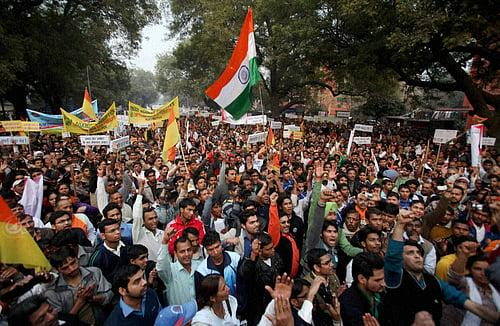
KOLKATA — The atmospheric pressure in West Bengal has shifted. It is not the sweltering May heat causing the unease, but the heavy silence of a state holding its breath. As the sun sets on May 2, 2026, the countdown to May 4th has begun—a day that will determine the political fate of the state and, perhaps, the future trajectory of federal relations in India.
The Election Commission of India (ECI) has turned West Bengal into a digital and physical fortress. In an unprecedented move, the ECI announced the deployment of additional counting observers and specialized police monitors across all 23 districts. This “extra layer” of oversight is designed to prevent the late-night skirmishes and procedural disputes that have historically marred the state’s counting process.
The Judicial Buffer
The ramp-up in security follows a tense legal battle that reached the highest corridors of power. The Trinamool Congress (TMC) moved the Supreme Court earlier this week, challenging the ECI’s decision to deploy central personnel in roles traditionally held by state officials during the counting phase. The ruling party argued that the move undermined the state’s autonomy and suggested a “bias” in the administrative machinery.
However, the Supreme Court’s refusal to intervene has cleared the runway for the ECI’s strategy. By declining the TMC plea, the court reinforced the ECI’s “absolute plenary powers” during the election cycle. For the poll body, this is a mandate to ensure that the transition from ballot boxes to final tallies remains clinical and beyond reproach.
A State Under Watch
In districts like Birbhum, Cooch Behar, and South 24 Parganas—areas historically flagged as “sensitive”—the presence of Central Armed Police Forces (CAPF) is more visible than ever. These units are not just guarding the strongrooms; they are patrolling the perimeters of counting centers, creating a multi-tier security cordon.
“The goal is zero-friction,” says a senior ECI official. “We are focusing on the ‘last mile’ of the democratic process. It’s not just about counting votes; it’s about maintaining the sanctity of the environment in which those votes are counted.”
The additional observers—many of whom are senior civil servants from outside the state—have been tasked with monitoring the “VVPAT-matching” process and the handling of postal ballots, which have often been the spark for localized violence in previous years.
The Political Stakes
On the ground, the political rhetoric is reaching a fever pitch. The opposition, led by the BJP, has welcomed the extra security, claiming it is necessary to prevent “electoral malpractices” by the ruling dispensation. Meanwhile, the TMC remains defiant, with leadership framing the ECI’s moves as an attempt to “intimidate” counting agents.
This tension is mirrored in the streets of Kolkata and rural hamlets alike. Marketplaces are closing earlier than usual. Local tea stalls, usually the hubs of raucous political debate, are uncharacteristically quiet. There is a sense that the results on May 4th will be more than just numbers; they will be a verdict on the state’s identity.
The Digital Eye
Beyond the physical boots on the ground, the ECI has implemented a massive digital surveillance network. Every counting table is scheduled to be under 360-degree CCTV coverage, with live feeds accessible to the observers. This transparency is intended to preempt the “booth-capturing” narratives that often flood social media within minutes of the first trends appearing.
As West Bengal moves toward Monday morning, the question is no longer just who will win, but whether the process itself can survive the strain. With the Supreme Court’s hands-off approach and the ECI’s iron-clad security, the stage is set. The actors are ready, the scripts are written, and the people of Bengal wait for the curtain to rise on what promises to be one of the most scrutinized counting days in modern Indian history.
Prabha Gupta is a veteran journalist and civic thinker dedicated to the constitutional ideals of dignity and institutional ethics. With over thirty years of experience in public communication, her work serves as a bridge between India’s civil society and its democratic institutions. She is a prominent voice on the evolution of Indian citizenship, advocating for a national discourse rooted in integrity and the empowerment of the common citizen