


Indian Politics
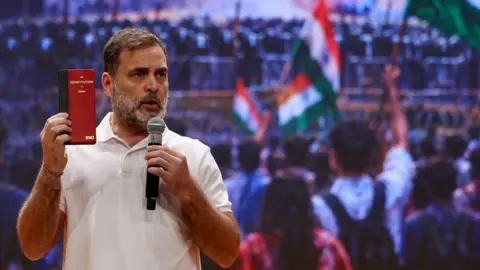
Rahul Gandhi, INDIA Bloc Take SIR Battle to Supreme Court: Electoral Transparency Faces a Crucial Test
The political confrontation over the Election Commission of India’s Special Intensive Revision (SIR) of electoral rolls has moved from street…
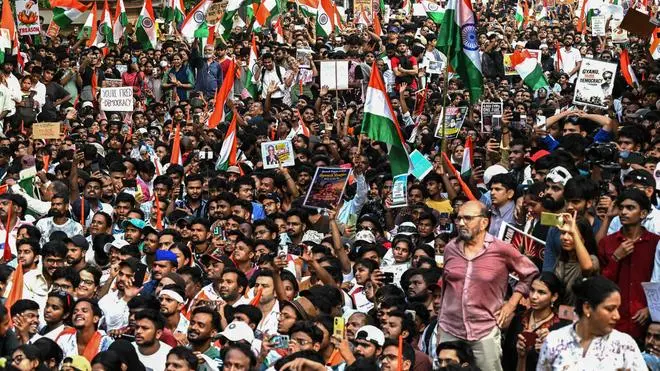
If Gyanesh Kumar Resigns, Will a BJP-Friendly Successor Restore Trust—or Deepen the Crisis?
An ongoing protest in New Delhi demanding the resignation of Chief Election Commissioner Gyanesh Kumar has brought the independence of…
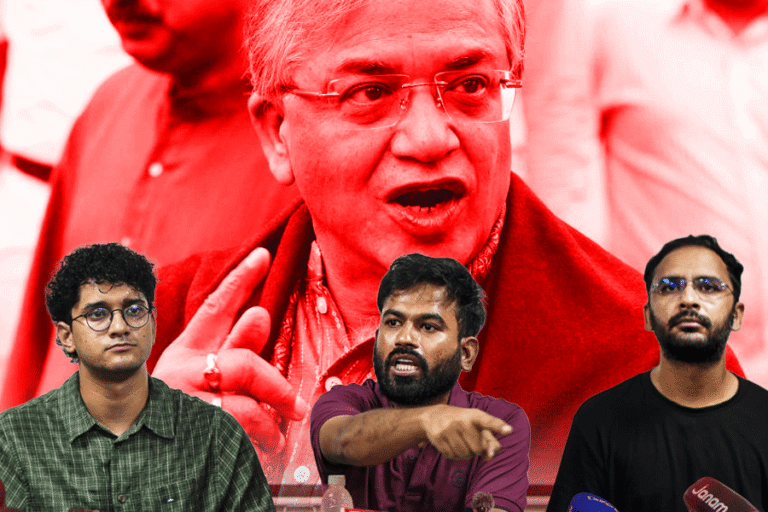
CJP’s 48-Hour Ultimatum to CEC Gyanesh Kumar Fuels Online Meme Storm
New Delhi, September 26: The Cockroach Janta Party’s demand for Chief Election Commissioner Gyanesh Kumar’s resignation has sparked a wave…
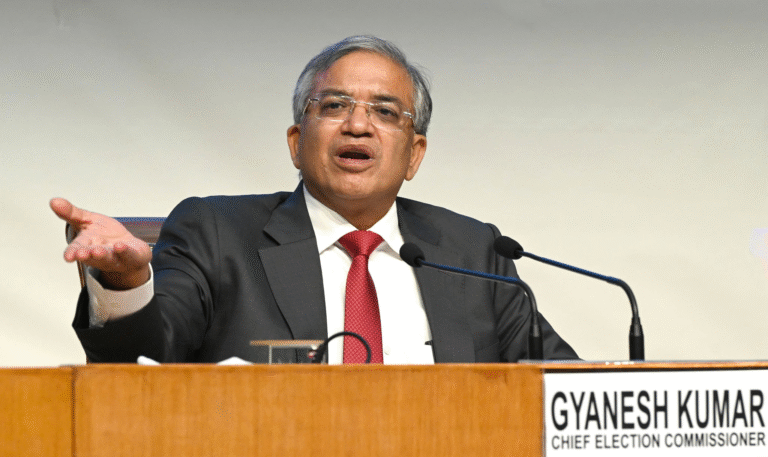
ECI Under Fire: Internal Rift Sparks Resignation Demands as Supreme Court Steps In on TMC Symbol War
NEW DELHI — India’s election framework faces an unprecedented crisis as structural friction within the Election Commission of India (ECI)…
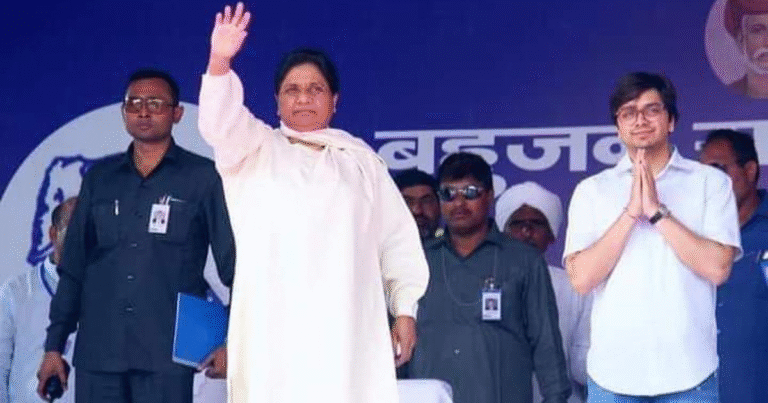
After Mayawati, Is There a BSP Left?
Mayawati’s repeated reshuffling of the party’s second line has exposed a deeper problem: the BSP’s future may be less about…
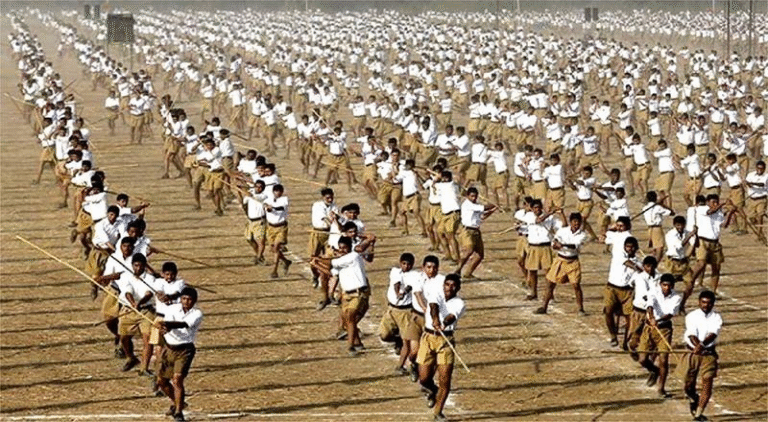
RSS at 100 — Part 8: Why Was the RSS Banned?
The Rashtriya Swayamsevak Sangh (RSS) has faced government bans at three important moments in independent India’s history: in 1948, during…
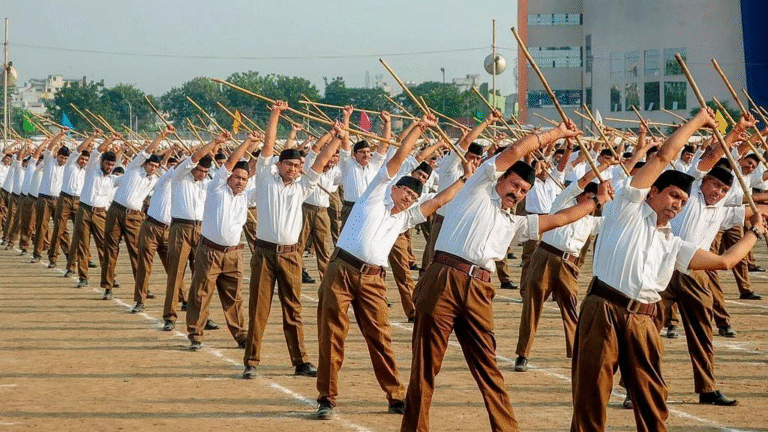
RSS at 100 — Part 7: How Did the RSS Expand Its Influence Beyond the Shakha?
From the shakha to politics, education, student organisations, labour unions and social service—how did the RSS build a wider institutional…
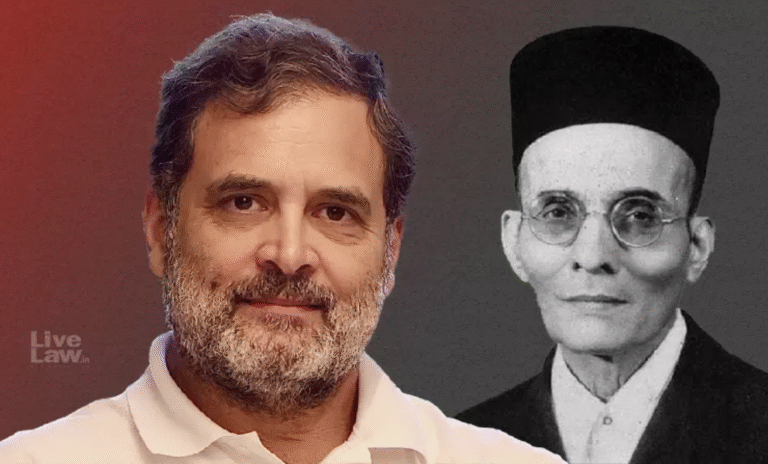
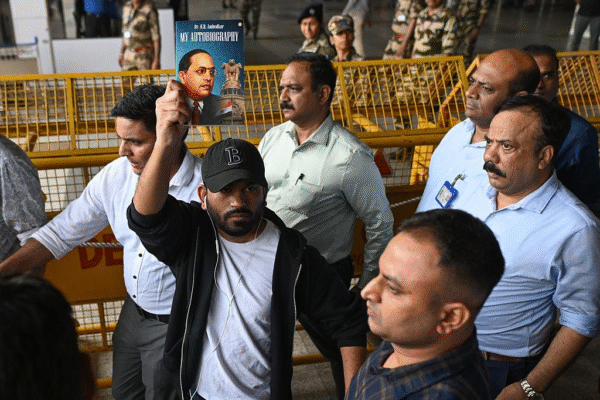
Savarkar ‘Never Hated Muslims’: Kin Takes Rahul Gandhi to Court Over ‘Muslim-Hater’ Portrayal
A defamation battle in Pune has reopened a much bigger argument over Savarkar’s legacy, Gandhi’s political rhetoric and who gets…
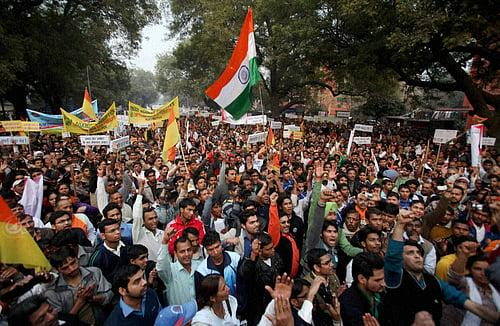
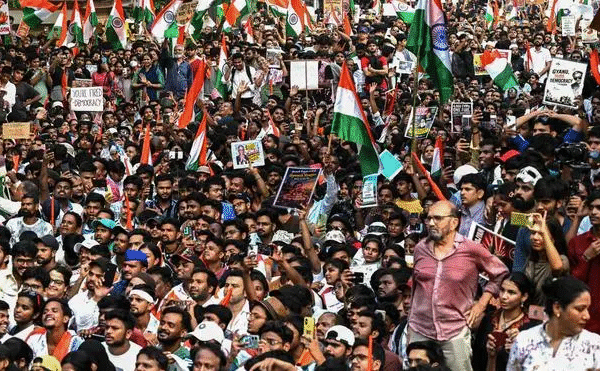
Youth Protests Have Changed Indian Politics: Why Parties Are Suddenly Reaching Out to the Young
New Delhi: The youth protests may have started with anger over examinations, but their political impact is now reaching far…
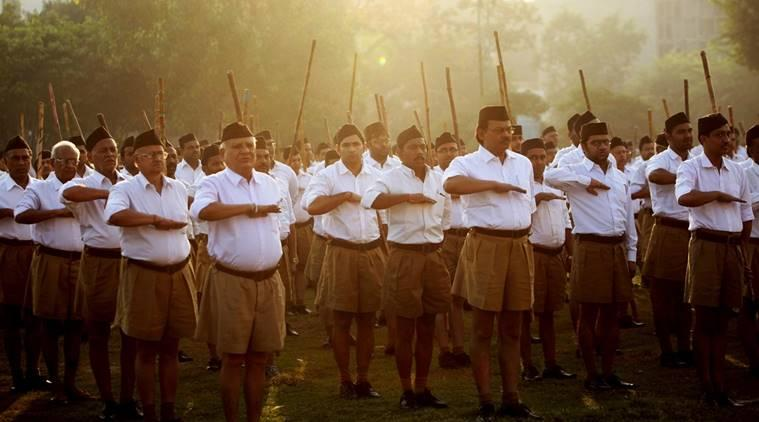
RSS at 100 — Part 6: How Did the RSS Build a Nationwide Network?
Two-Line Summary From a small gathering in Nagpur in 1925, the RSS has grown into a nationwide volunteer network. Its…
- 1
- 2