

The political confrontation over the Election Commission of India’s Special Intensive Revision (SIR) of electoral rolls has moved from street protests to the Supreme Court, opening a fresh legal front in the battle over voter-list transparency and institutional accountability.
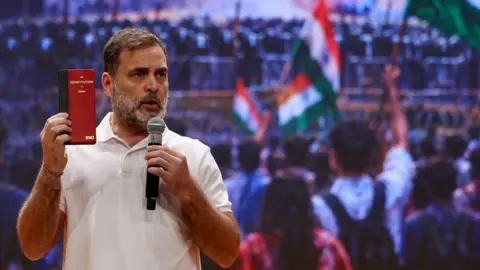
On October 12, 2026, Leader of the Opposition Rahul Gandhi and ten other INDIA bloc leaders filed a writ petition challenging aspects of the SIR exercise. The petition names the Election Commission of India (ECI), Chief Election Commissioner Gyanesh Kumar, and Election Commissioners Sukhbir Singh Sandhu and Vivek Joshi as respondents.

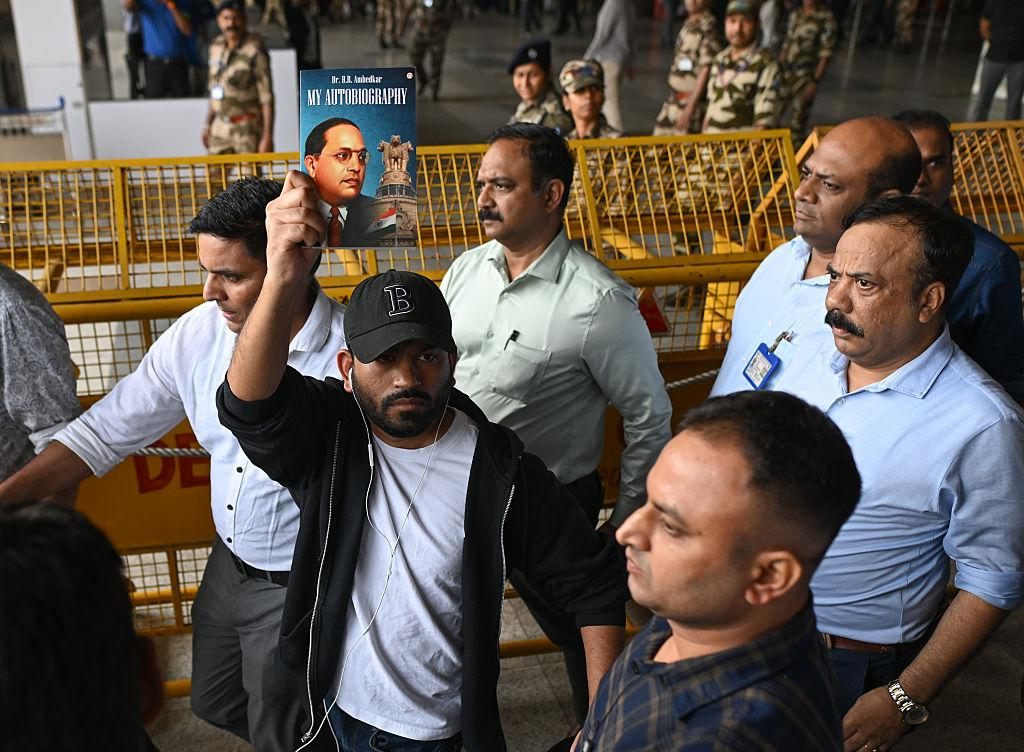
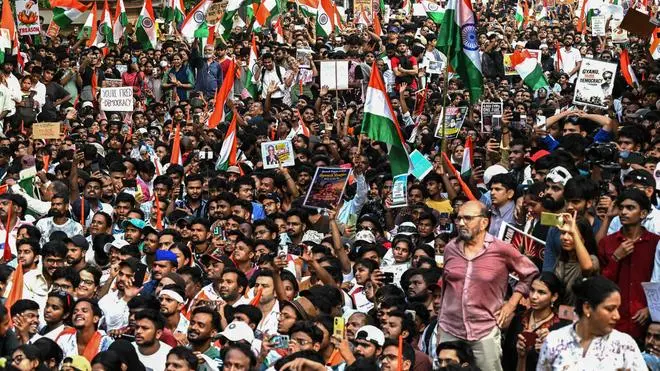
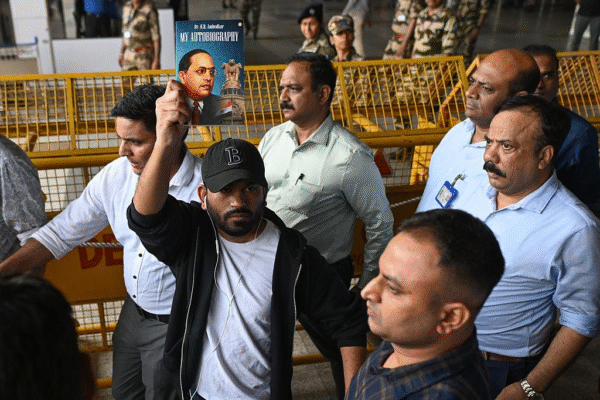
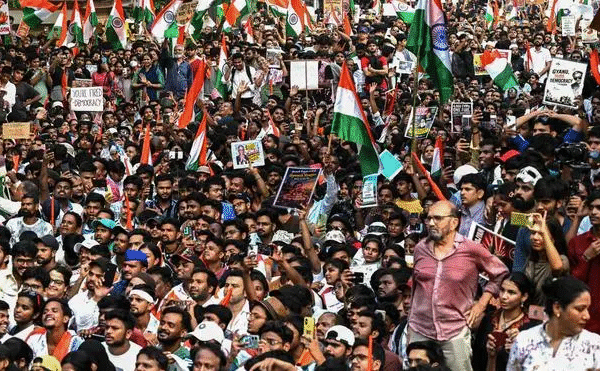
The move followed an Opposition march towards the Supreme Court in New Delhi, amid demands for greater transparency in electoral-roll revisions and calls for the CEC’s resignation. The petition has been filed through Advocate-on-Record S. Prasanna.
The dispute now places a central democratic question before the judiciary: how can the integrity of electoral rolls be protected while ensuring that eligible citizens are not wrongly excluded from the voting process?
What the Opposition Wants the Supreme Court to Examine
The petition seeks access to the Election Commission’s records relating to disputed SIR decisions, including files, minutes, internal notings, recorded objections and access logs from the ECINET and ERONET systems. It also seeks the complete file concerning the ECI’s June 24, 2025 decision to initiate the SIR exercise.
The petitioners allege that questions remain over how certain decisions were taken and whether the Commission’s statutory requirements for collective decision-making were followed. They have asked the court to examine the exercise against Article 324 of the Constitution, Section 18 of the Chief Election Commissioner and Other Election Commissioners Act, 2023, and relevant judicial precedents.
These are allegations and legal claims advanced by the petitioners; they have not been established by the filing of the petition itself. The Election Commission’s records and response, along with the court’s assessment, will be crucial in determining the issues.
Among the significant reliefs sought are an independent audit of voter deletions by a committee headed by a retired Supreme Court judge, booth-wise publication of deleted voters’ names with reasons, and a workable mechanism for restoring names wrongly removed. The petition also seeks safeguards against deletion without notice and an opportunity to be heard.
Another major request is the suspension of the SIR exercise across states while the case is pending. The petition also challenges aspects of the online Form 6 used for voter registration, arguing that changes to the form must conform to the applicable electoral rules.
If considered by the court, these demands could bring scrutiny not only to the outcomes of the revision but also to the administrative processes and digital systems through which electoral rolls are maintained.
A Legal Test for Electoral Accountability
The petition comes amid mounting Opposition criticism of the SIR process and a wider political dispute over alleged irregularities in voter-list revision. The INDIA bloc argues that transparency is essential to public confidence in elections; the ECI’s position and the evidence supporting its procedures will be central to any judicial determination.
The legal route gained urgency after Chief Justice of India Surya Kant declined a request by Gandhi and Congress president Mallikarjun Kharge for an administrative meeting on the issue, indicating that the concerns could be raised through the court’s judicial process. The Supreme Court was expected to consider related SIR matters on October 13.
The filing does not itself suspend the revision, establish wrongdoing or guarantee that the reliefs sought will be granted. Those outcomes depend on the court’s proceedings and orders.
Ultimately, the controversy is larger than a confrontation between the Opposition and the Election Commission. Electoral rolls are the foundation of representative democracy: errors can disenfranchise eligible voters, while reliable verification is necessary to maintain accurate lists.
The Supreme Court’s scrutiny may therefore become a significant test of procedural transparency, institutional independence and safeguards for voters. The essential question is whether the revision process can demonstrate that every decision is lawful, traceable and fair—and that no eligible citizen is deprived of the right to vote without due process.

NewsHasghag operates a 24/7 news bureau that tracks the real-time, social media-driven stories from India and around the world, keeping you ahead of the day’s key talking points. Our digital-first approach transforms storytelling through the seamless integration of data, interactive charts, video, and audio into every narrative