

Jantar Mantar Sealed, Leaders Detained: The Day Delhi Became a Political Battleground
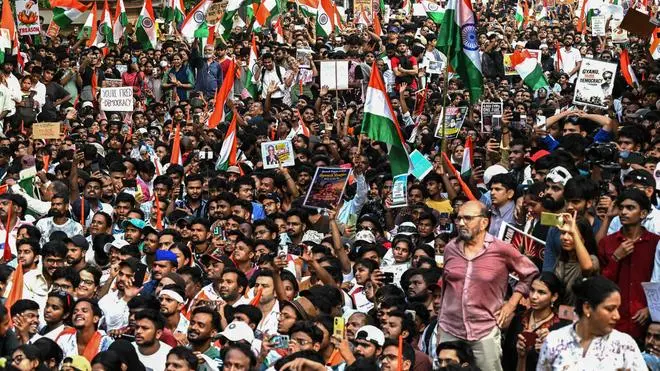
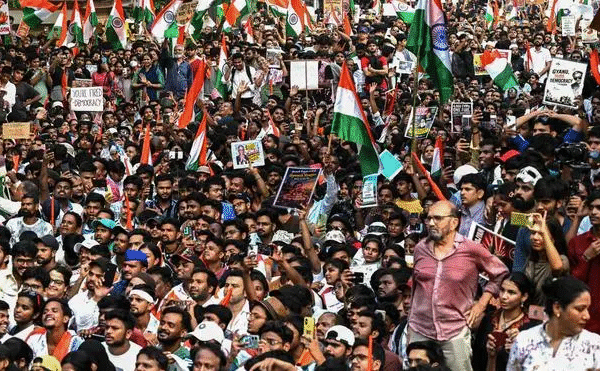
New Delhi witnessed an extraordinary security operation on October 10 as police moved to prevent a planned protest by the Cockroach Janta Party (CJP) at Jantar Mantar. What was intended as a demonstration demanding the resignation of Chief Election Commissioner Gyanesh Kumar quickly escalated into a confrontation involving mass detentions, restrictions on movement, opposition criticism and a sharp political exchange between the BJP and its opponents.

The protest centred on allegations surrounding the Election Commission’s Special Intensive Revision (SIR) of electoral rolls. Critics argue that large-scale voter-list changes risk excluding eligible citizens and undermining electoral confidence. The Election Commission and the BJP have disputed allegations of politically motivated manipulation. The resulting confrontation has placed electoral transparency and the right to peaceful protest at the centre of the political debate.
From airport detentions to a city under tight security
The day began with heavy security deployment, barricades and restrictions around the proposed protest venue. Delhi Police had denied permission for the CJP demonstration, citing procedural and security concerns. According to The Indian Express, the application was submitted on October 7, despite a prescribed 10-day notice period for the gathering. <Cite refs={[“turn603618search4”]} />
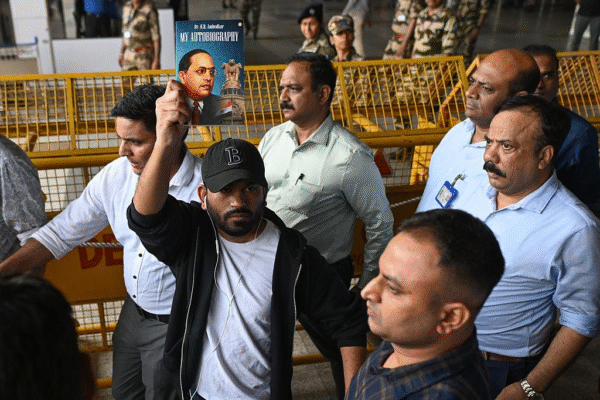
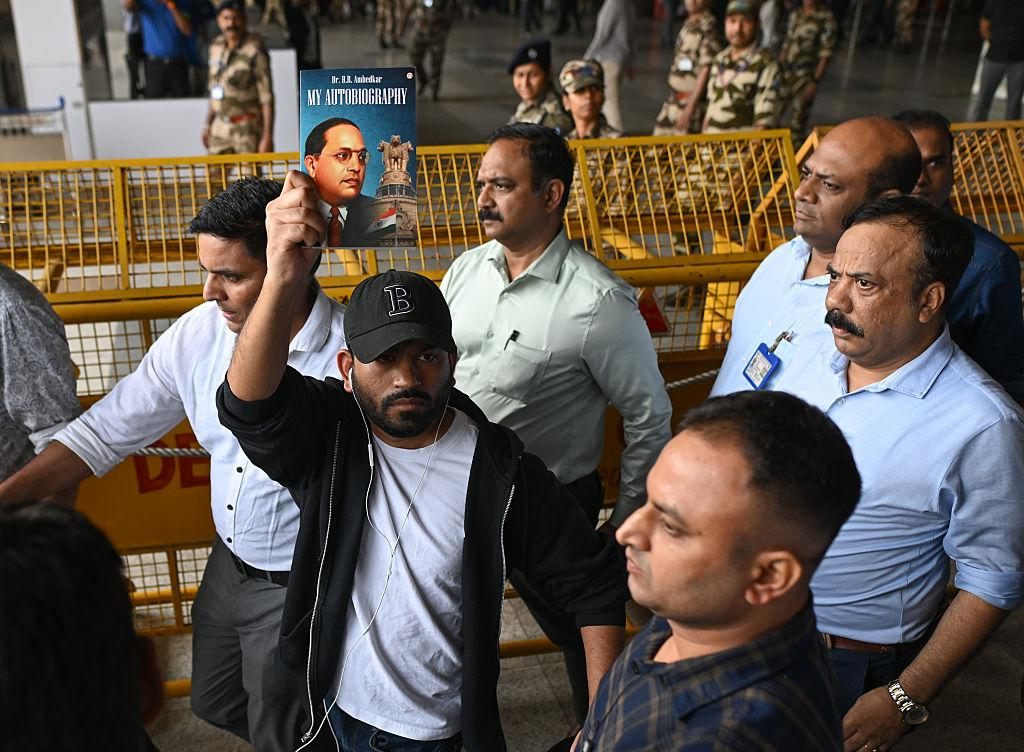
The operation extended well beyond Jantar Mantar. CJP founder Abhijeet Dipke and associates Saurav Das and Ashutosh Ranka were detained by police personnel who entered their aircraft after it landed in Delhi. Other protesters and political figures were detained at multiple locations as they attempted to join the demonstration.
The numbers reported varied as the operation unfolded. The Times of India reported that police had detained more than 3,000 people by late afternoon, while other reports recorded different totals at different points in the day. CJP and its supporters made substantially higher claims about the scale of the detentions. These figures should be distinguished by source and reporting time rather than treated as a single confirmed final count.
With Jantar Mantar inaccessible, small groups reportedly staged flash demonstrations at other locations, including Dilli Haat and areas around central Delhi. The restrictions transformed what had been planned as a single protest into a wider confrontation over access to public space and the authorities’ response to dissent.
Political war of words intensifies
The detentions quickly became a political flashpoint. Opposition leaders accused the government of suppressing dissent and avoiding questions about electoral-roll revisions. Congress leader Rahul Gandhi criticised the crackdown, while other opposition figures and civil society voices raised concerns about the treatment of protesters and the implications for democratic rights.
The BJP defended the authorities’ response and challenged the protest’s legitimacy, arguing that maintaining public order was necessary. Its criticism of the demonstrators contrasted sharply with the opposition’s portrayal of the operation as an attempt to silence scrutiny of the Election Commission.
At the heart of the dispute is the SIR exercise and the allegation that voter-list changes have affected citizens’ ability to participate in elections. Critics have questioned the scale and transparency of deletions, while the Election Commission’s position and the legal procedures governing electoral registration remain central to evaluating those claims. Allegations of manipulation require evidence, but concerns about wrongful exclusion also warrant clear explanations, accessible correction procedures and transparent verification.
The confrontation therefore raises two related but distinct questions: whether the authorities had sufficient legal grounds for the restrictions and detentions, and whether the electoral-roll revision has been conducted in a way that protects every eligible voter. Resolving one question does not automatically settle the other.
The CJP has vowed to continue its campaign and called for another demonstration at Jantar Mantar on Sunday, October 11, at 10 a.m. That announcement suggests the events of October 10 may be the beginning of a continuing political confrontation rather than its conclusion.
Delhi’s experience exposes a difficult democratic balance. Police have a responsibility to maintain public order, but restrictions on peaceful assembly and preventive detentions must have a clear legal basis and remain proportionate. Political parties, meanwhile, must substantiate their allegations rather than rely solely on rhetoric.
Ultimately, the controversy will not be resolved by competing accusations alone. It requires transparent answers about the detentions, scrutiny of the voter-list revision and safeguards against the wrongful exclusion of eligible citizens. The defining issue is whether public institutions can command confidence even amid intense political disagreement.

Prabha Gupta is a veteran journalist and civic thinker dedicated to the constitutional ideals of dignity and institutional ethics. With over thirty years of experience in public communication, her work serves as a bridge between India’s civil society and its democratic institutions. She is a prominent voice on the evolution of Indian citizenship, advocating for a national discourse rooted in integrity and the empowerment of the common citizen