




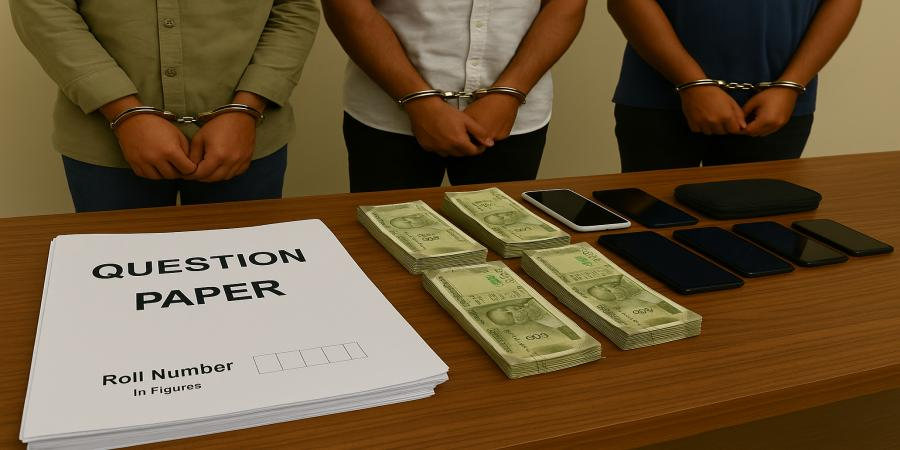
Dreams for Sale: How a Fake NEET Racket Was Busted- and Why the Pattern Isn’t New
In India’s high-stakes education system, where a single exam can determine the trajectory of an entire life, desperation often meets deception. The recent bust by the Crime Branch of the Delhi Police—in which 18 students were rescued from an alleged NEET admission racket—has once again exposed a troubling pattern. But this is not an isolated incident. It is part of a recurring cycle where fraud networks exploit ambition, fear, and the promise of certainty.
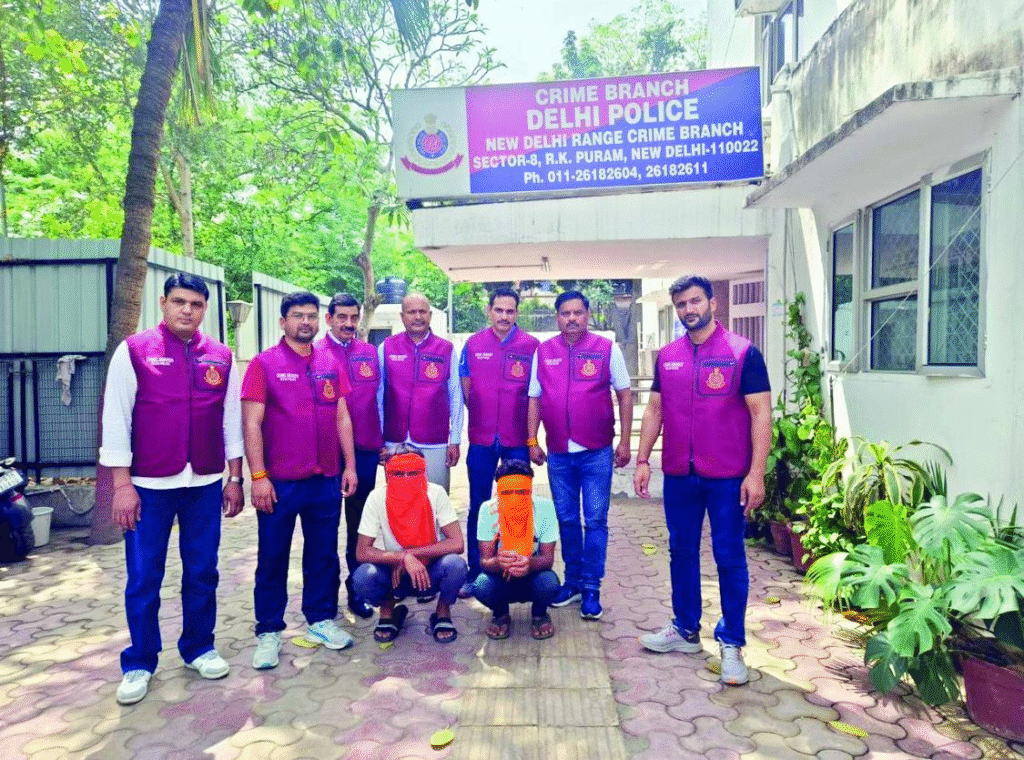
The latest case centres on the NEET-UG 2026, the country’s most competitive medical entrance exam. Acting on a tip-off from Surat Police, Delhi Crime Branch officials traced a network operating out of Mahipalpur Extension and Ghaziabad. Four individuals, including alleged mastermind Santosh Kumar Jaiswal and doctor Akhlaq Alam, were arrested for orchestrating a scheme that promised guaranteed MBBS seats in exchange for ₹20–30 lakh.
Students were lured with the assurance of “leaked question papers” just before the exam. Instead, they were handed fabricated material compiled from previous years’ papers and coaching notes. Isolated from their families and kept in controlled environments, the aspirants were made to believe they were part of a confidential process. By the time police intervened, blank signed cheques, original mark sheets, and 149 pages of fake Q&A material had already changed hands.
Yet, the modus operandi bears a striking resemblance to past scams.
A notable precedent is the infamous Vyapam Scam, which came to light in the early 2010s. Unlike the current case, Vyapam was not a small, isolated racket—it was a sprawling network involving politicians, officials, and middlemen. Candidates allegedly paid large sums to secure seats in medical colleges through impersonation, leaked papers, and manipulated answer sheets. The scale was staggering, with thousands of admissions questioned and multiple suspicious deaths linked to the investigation. What connects Vyapam to the present case is not just the fraud, but the psychology—selling certainty in an uncertain system.
More recently, in 2023, Tamil Nadu police cracked a NEET-related cheating racket where candidates were promised high scores through solver gangs and impersonators. Similar to the Delhi case, families were asked to pay hefty amounts, and students were coached to trust a parallel system operating outside legal frameworks. The racket was eventually dismantled, but not before several students had already fallen prey.
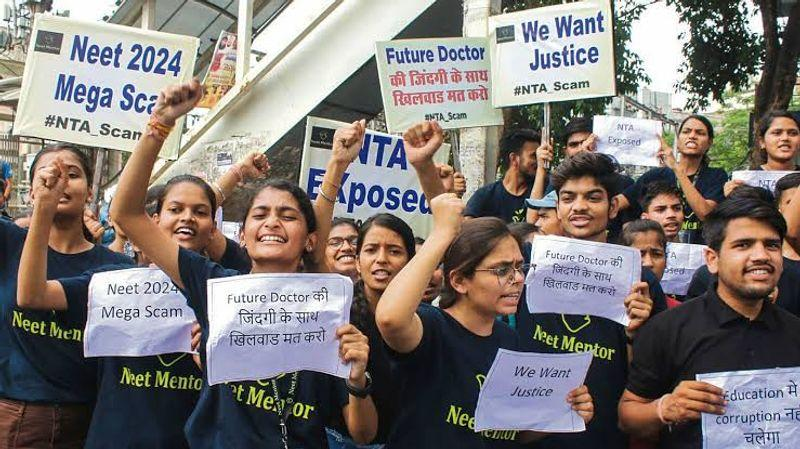
Education experts say these scams thrive on a dangerous mix of pressure and perception. The belief that “everyone else is finding shortcuts” often pushes families to take risks they would otherwise avoid. Fraudsters, in turn, refine their strategies—using professional-looking materials, rented accommodations, and even insiders like doctors or tutors to build credibility.
What sets the Delhi Police operation apart is its timing. The rescue of 18 students just before the exam ensured they could still appear for NEET, preventing long-term academic damage. Counselling sessions were arranged to stabilise the students, many of whom were reportedly in shock after realising they had been deceived.
Officials warn that such rackets are evolving. With digital communication and interstate networks, fraudsters are able to target families across regions—often through trusted intermediaries. The involvement of a broker from Gujarat in this case highlights how these operations are no longer localised.
As the investigation continues, authorities are urging parents and students to remain vigilant. Any claim of guaranteed admission, leaked papers, or “inside access” should be treated as a red flag. The cost of falling for such scams is not just financial—it can derail careers and erode trust in the system.
For now, the Delhi bust stands as a reminder that while the faces of these rackets may change, their script remains the same. And as long as the demand for certainty exists, so will those willing to sell illusions.

NewsHasghag operates a 24/7 news bureau that tracks the real-time, social media-driven stories from India and around the world, keeping you ahead of the day’s key talking points. Our digital-first approach transforms storytelling through the seamless integration of data, interactive charts, video, and audio into every narrative