




Bangladesh Unrest: What Tarique Rahman’s Entry Means for India
The political geography of South Asia changed this week. Tarique Rahman, the acting chairman of the Bangladesh Nationalist Party (BNP), returned home. He ended 17 years of self-imposed exile in London. His arrival in Dhaka has sent shockwaves through the region. For India, this moment is filled with both opportunity and significant risk.
A Nation in Deep Turmoil
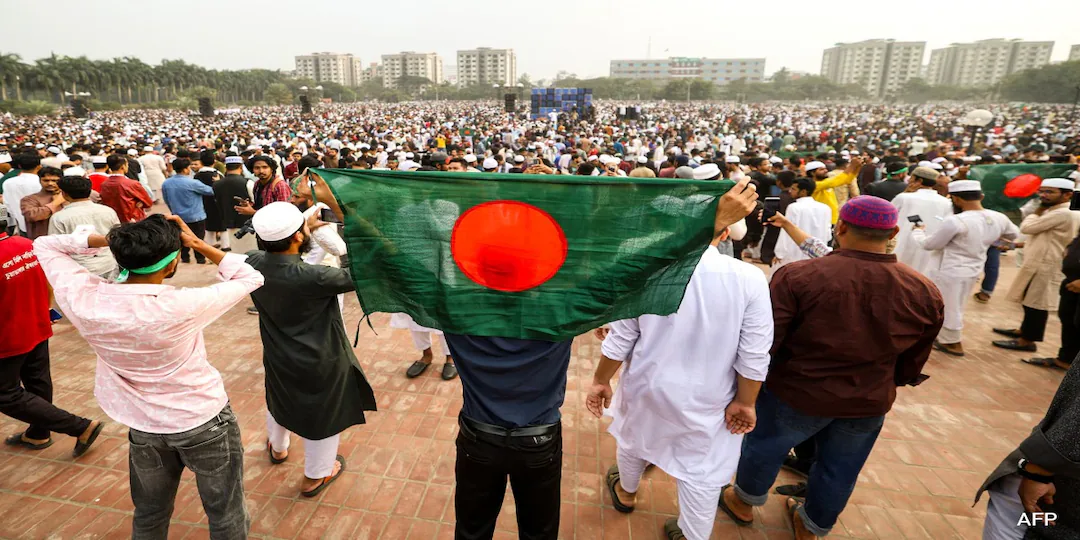
Rahman returns to a country grappling with extreme instability. The interim government, led by Nobel laureate Muhammad Yunus, struggles to maintain order. Protests continue to flare up across major cities. Meanwhile, reports of targeted violence against minorities are surfacing with alarming frequency.
Recently, local media reported the death of Amrit Mondal in Rajbari. He is the second Hindu man killed in just a few days. This follows the horrific lynching of Dipu Chandra Das. The interim government claims these deaths are criminal, not communal. They insist that extortion and local disputes are the primary causes. However, the optics remain devastating for social harmony.
Misinformation is also spreading rapidly on social media platforms. The government has warned outlets against publishing “misleading information.” Yet, the fear within the Hindu community is palpable. For India, the safety of these minorities is a top diplomatic priority. Any mass migration could create a humanitarian crisis at the Indian border.
The Shadow of Jamaat-e-Islami
The biggest concern for New Delhi is the influence of Jamaat-e-Islami. Historically, the BNP and Jamaat have shared a close political alliance. During their previous tenures, Indian security agencies noted an increase in cross-border insurgency. Radical elements often found a safe haven under that administration.
Today, Jamaat threats are once again making headlines. The group has become more vocal since the fall of the previous regime. If Tarique Rahman relies on Jamaat to secure his power base, India’s “Neighborhood First” policy faces a test. Extremist groups often use Bangladesh as a transit point for illegal activities. India cannot afford a volatile or hostile neighbor on its eastern flank.
Furthermore, the rise of radicalism threatens regional connectivity projects. India has invested billions in transit, power, and trade corridors through Bangladesh. A government that is unsympathetic to Indian security concerns could stall these vital projects.
Tarique Rahman’s New Promise
Tarique Rahman is aware of the international scrutiny. Upon landing, he promised to deliver “safety and justice” for all citizens. He aims to lead the BNP to victory in next year’s general elections. His rhetoric suggests a more mature, inclusive approach to governance. He claims his party will protect every Bangladeshi, regardless of religion.
However, many analysts remain skeptical of this transformation. Rahman was previously convicted in several cases, including the 2004 grenade attack. While he dismisses these as “politically motivated,” the legal cloud persists. His ability to control the more radical factions within his own coalition remains unproven.
India’s Strategic Dilemma
New Delhi now faces a delicate balancing act. On one hand, India must respect the democratic process in Bangladesh. Engaging with the BNP is essential for long-term stability. On the other hand, India must safeguard its own national security.
The Indian government is likely monitoring the situation with extreme caution. They are looking for signs of “moderation” from the BNP leadership. If Rahman can distance himself from extremist elements, a working relationship is possible. If he fails, the border regions could see a return to the instability of the early 2000s.
A High-Stakes Election Year
The road to the 2026 elections will be rocky. Tarique Rahman’s return has energized his supporters but spooked his critics. The interim government must now ensure a free and fair environment. Meanwhile, the world is watching how the “Yunus Experiment” concludes.
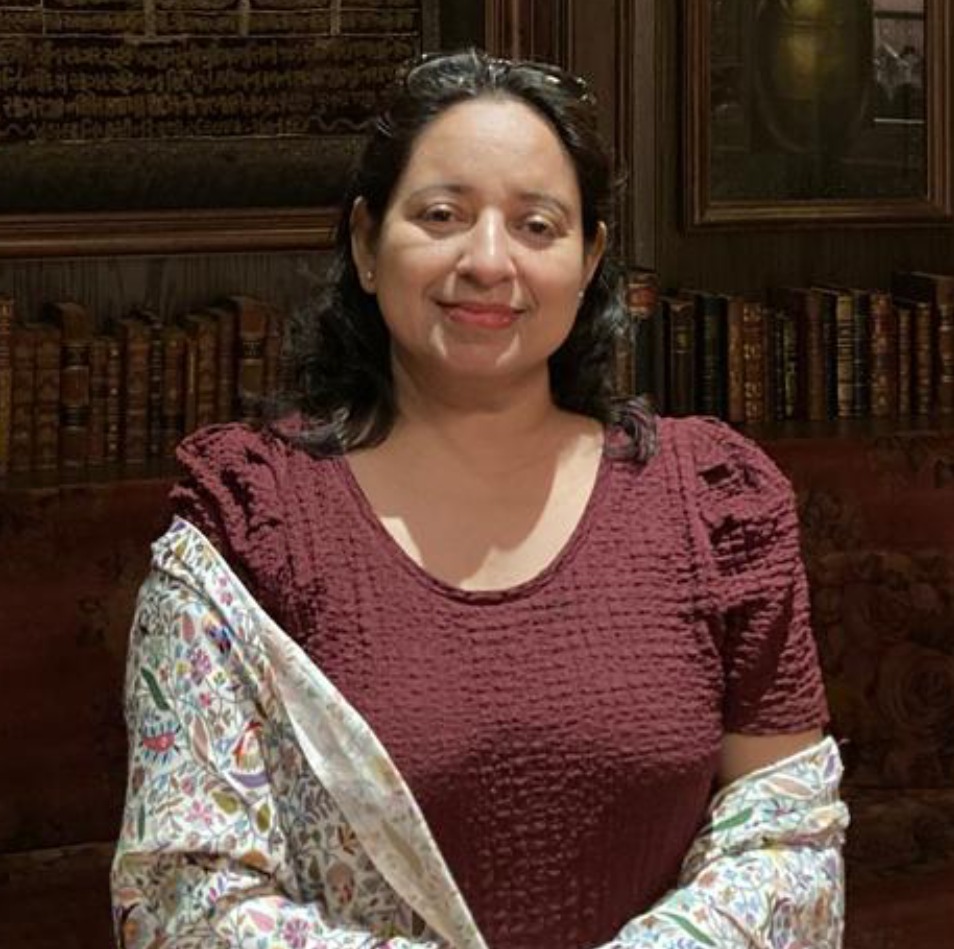
Prabha Gupta is a veteran journalist and civic thinker dedicated to the constitutional ideals of dignity and institutional ethics. With over thirty years of experience in public communication, her work serves as a bridge between India’s civil society and its democratic institutions. She is a prominent voice on the evolution of Indian citizenship, advocating for a national discourse rooted in integrity and the empowerment of the common citizen