



Bihar’s Caste Matrix: Decoding Political Outcomes
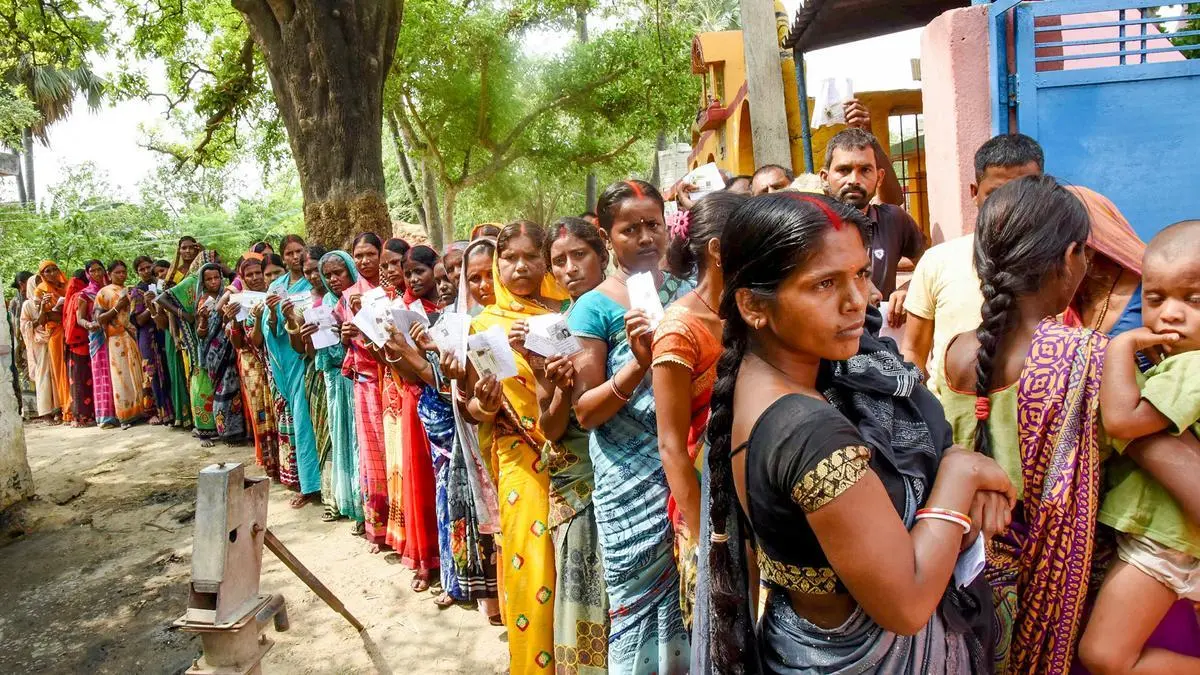
In Bihar, elections are rarely just about governance — they are about identity. As the state gears up for polls on November 14, the battle lines are being drawn not merely by political promises but by caste loyalties that run deep in its social fabric. The outcome will shape Bihar’s political future for the next five years and offer a glimpse into the national mood ahead of India’s next general election.
According to the 2023 caste survey, Extremely Backward Classes (EBCs) form over 36% of Bihar’s 13.07 crore population, while Other Backward Classes (OBCs) make up around 27%. The EBCs, though outside the Scheduled Caste category, remain among the most deprived, ranking just above Dalits in wealth and land ownership.
Nitish Kumar, from the Kurmi caste (about 3% of the population), built strong support among EBCs through welfare policies. Yet, his slipping image and governance fatigue may push some EBCs toward the Mahagathbandhan. The opposition alliance has added Mukesh Sahani’s VIP and IP Gupta’s IIP to attract these voters.
The RJD, too, has gone beyond its traditional Muslim-Yadav base. It appointed Dhanuk leader Mangani Lal Mandal as state chief and pushed its “MY+BAAP” slogan — standing for Muslim-Yadav plus Bahujan, Aghada, women, and poor.
Dalits form roughly 20% of the state’s population, with sub-groups like Paswans and Manjhis wielding political clout. The NDA banks on Chirag Paswan and Jitan Ram Manjhi for their influence. The opposition, meanwhile, has brought in Pashupati Kumar Paras to widen its reach.
Muslims and Dominant Castes
Muslims, about 17.7% of Bihar’s population, have long backed the RJD. Nitish Kumar once managed to win a part of their trust, especially among women, through his secular image. But recent unease over communal issues could drive some away.
The Mahagathbandhan hopes to gain from Pasmanda Muslim leader Ali Anwar Ansari joining the Congress, strengthening its base among marginalized Muslims. However, Asaduddin Owaisi’s AIMIM might split some votes by appealing to young and independent Muslim voters.
Among the dominant castes — Brahmins, Bhumihars, and Rajputs — who form around 11% of the population, the BJP remains the top choice. Yet, Prashant Kishor’s Jan Suraaj Party could dent this support, while Congress eyes limited gains in urban pockets.
In Bihar, politics is never only about development or slogans. Every party knows that unless it understands the caste pulse, it cannot hope to unlock Bihar’s ballot box.

NewsHasghag operates a 24/7 news bureau that tracks the real-time, social media-driven stories from India and around the world, keeping you ahead of the day’s key talking points. Our digital-first approach transforms storytelling through the seamless integration of data, interactive charts, video, and audio into every narrative