




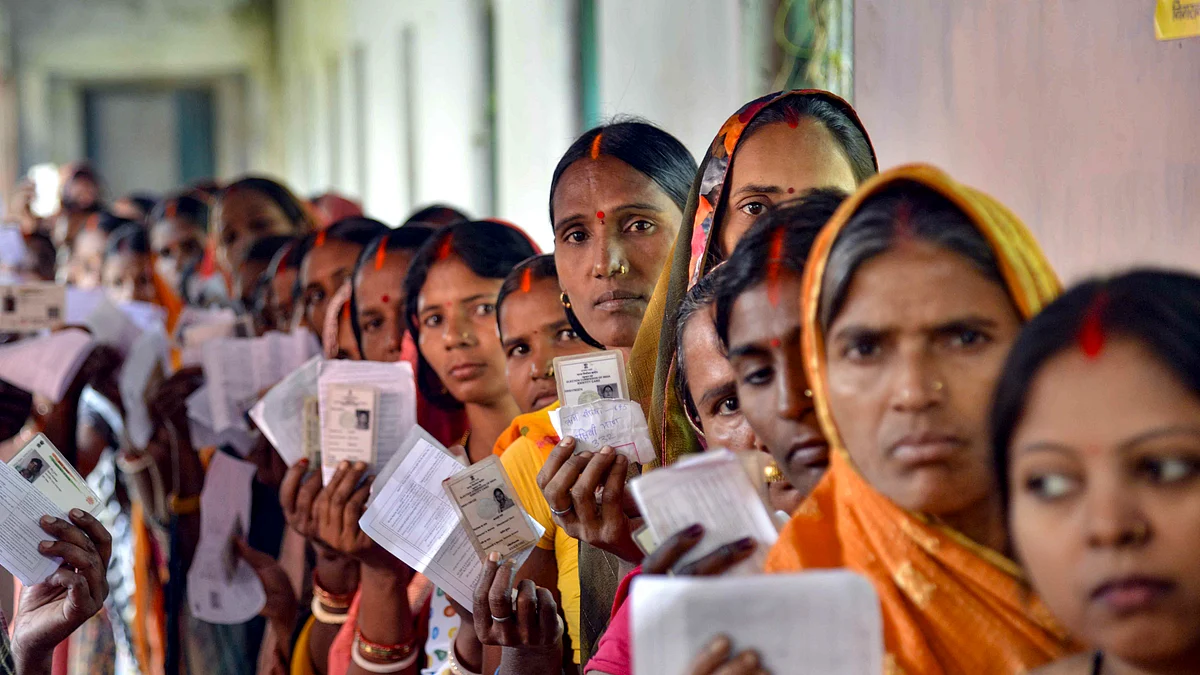
Women voters played a decisive role in the Bihar election results. Their support for the NDA has been strong and consistent, and it is clear that the promise of ₹10,000 was not the only reason. The shift is much deeper. It reflects trust, safety, welfare, and long-term stability—issues that matter far more in women’s daily lives than a one-time cash transfer.
Beyond Cash: Why Women Saw NDA as the Safer Bet
The NDA’s women-centric schemes did not begin with this election. Over the last decade, rural women have experienced steady improvements in daily life. Roads, toilets, electricity, and domestic gas connections changed household routines. For many women, these improvements reduced physical labour, saved time, and increased dignity. As a result, they began seeing development as something real—not political talk.
In many villages, women also linked NDA governments with relative safety. They often say that their mobility improved because the administration acted faster on crimes against women. Although problems remain, the perception of safety has become a key political factor. Women chose stability because they fear the return of older patterns of lawlessness.
Another big reason was predictability. Cash schemes come and go, but infrastructure and law-and-order give a long-term sense of security. Women tend to prioritise these long-term benefits because they run households and plan for children. For them, a stable government is not a political idea—it is an everyday necessity.
The Power of Trust and Direct Benefit Delivery
Women also respond strongly to schemes that come directly into their bank accounts. Direct Benefit Transfer (DBT) systems made many women financially visible for the first time. They received pension, scholarships, health benefits, and cooking gas subsidies without depending on middlemen. This sense of control over money built trust, which later translated into political support.
In many families, men migrate for work while women manage farms, children, and finances. With rising responsibilities, they need a government that reduces uncertainty. NDA’s welfare policies, especially health insurance and livelihood schemes, offered an additional layer of support. Moreover, women believed that the NDA would continue these programmes without disruption.
Therefore, the promise of ₹10,000 was simply a bonus. It acted as an extra push but not the foundation of their political choice. Their decision was shaped by lived experience, not by a single election-time offer.
Women have emerged as one of the most influential voting blocs in Bihar. Their overwhelming support for the NDA came from a mix of trust, safety, welfare delivery, and hope for continuity. The ₹10,000 scheme helped, but it did not define their vote. What defined it was the long-term shift in their daily lives-one that they believe the NDA will protect and extend.
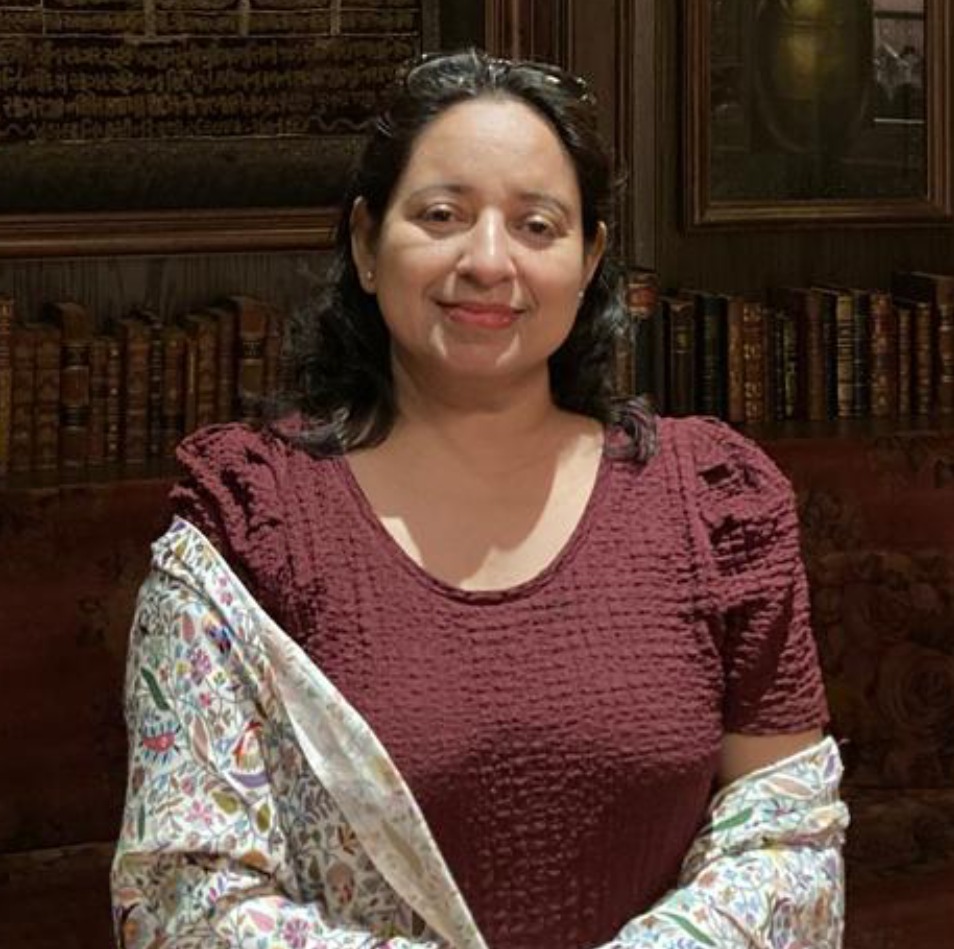
Prabha Gupta is a veteran journalist and civic thinker dedicated to the constitutional ideals of dignity and institutional ethics. With over thirty years of experience in public communication, her work serves as a bridge between India’s civil society and its democratic institutions. She is a prominent voice on the evolution of Indian citizenship, advocating for a national discourse rooted in integrity and the empowerment of the common citizen