


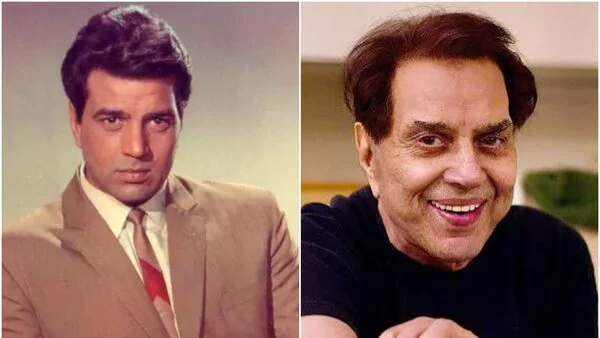
Dharmendra the Actor: A Man of Many Shades
When veteran actor Dharmendra passed away at the age of 89, Bollywood fell into a deep silence. A star who defined charisma on screen left this world quietly from his home in Juhu, and with him disappeared a part of Hindi cinema’s golden heartbeat. He rose as the most adored action hero of his era, yet he excelled effortlessly in romance, comedy and emotional depth. As his cremation took place at Pavan Hans Crematorium, fans and colleagues across generations mourned not just an actor but a man who shaped the very idea of stardom.
His passing has stirred memories, admiration and a fresh curiosity to revisit the life he lived — glamorous, complex, and undeniably human.
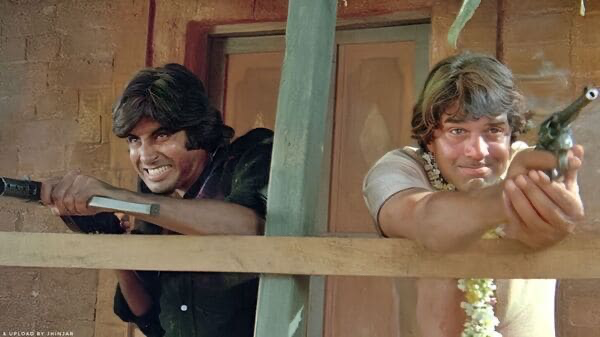
Dharmendra’s screen roles are stitched into the collective memory of India. In the iconic Sholay, he played Veeru with infectious charm, a perfect balance to Amitabh Bachchan’s serious Jai. For decades, the film’s dialogues kept his persona alive in every household — endearing, humorous and brave. Yet the same man seamlessly slipped into the intelligent, mischievous professor in Chupke Chupke, proving that great comic timing does not always require loudness, only brilliance.
His dramatic performances in Satyakam, Anupama and Bandini demonstrated emotional honesty. His romantic screen presence in Phool Aur Patthar and Blackmail, as well as his action-hero energy in Dharam Veer and Ram Balram, showcased range very few stars ever achieved. He worked with passion, not calculation. And that passion turned him into a legend.
A Man Who Hid His Pain Behind Stardom
With fame came pressure, and Dharmendra did not always know how to express his emotional struggles. Those close to him often recalled that he found it difficult to communicate feelings in real life, unlike the characters he portrayed. Success came early, responsibilities mounted, and he constantly traveled between two families — each deserving love, time and presence. The emotional imbalance weighed heavily on him.
Dharmendra himself admitted in interviews that he took to alcohol as a refuge during years when loneliness and inner conflict overpowered the applause. For the world, he was the fearless “He-Man.” But behind the glory, there was a man trying to silence his own vulnerabilities. His drinking became a coping mechanism, a silent companion in the high-pressure world of films, fame and personal turmoil. Later in life, he expressed regret, acknowledging that alcohol pulled him away from his best self.
Controversies That Shadowed the Superstar
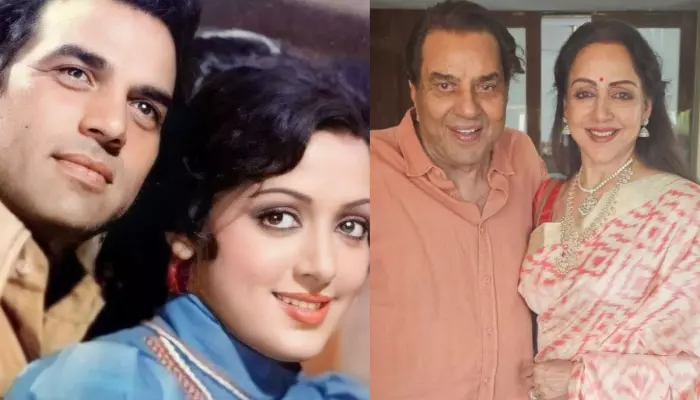
His love story with Hema Malini brought beauty and turbulence together. Already married to Prakash Kaur, Dharmendra converted to Islam to wed Hema in 1979. The decision sparked national criticism and emotional fissures that never entirely healed. Public debates followed him for years, even though the families maintained peace on the surface.
His political career added another complicated layer. When he served as an MP from Bikaner, opposition parties accused him of neglecting parliamentary responsibilities. Bollywood’s beloved hero struggled to find similar success in the unpredictable arena of politics.
Rumours of ego clashes and impulsive temperament often circulated around him. Yet even his flaws made him relatable. He remained open about his shortcomings, never hiding behind perfection.
A Legacy Larger Than All Judgments
Dharmendra’s life was vast — rich in love, triumph and human mistakes. He carried the earthiness of Punjab into every frame and retained a simplicity that neither fame nor glamour could steal. He was adored by fans, respected by peers and admired by millions who saw themselves in his strength and vulnerability.
His controversies and battles with alcohol may remain part of his story, but they only reflect the reality of a man who lived intensely. He loved fully, hurt deeply and performed relentlessly. Cinema was his language, and through that language he spoke to the world.
Even now, his laughter echoes in Sholay, his wit sparkles in Chupke Chupke, and his honesty lives in Satyakam. Dharmendra did not just act on screen — he etched himself into the soul of Indian cinema. And his final silence is loud enough to remind us: legends do not die, they simply step into eternity.

Prerna Varshney is a journalist and social commentator with over five years of experience in health, gender, and policy reporting. Her work reflects a deep commitment to truth and empathy, simplifying complex issues for everyday readers.