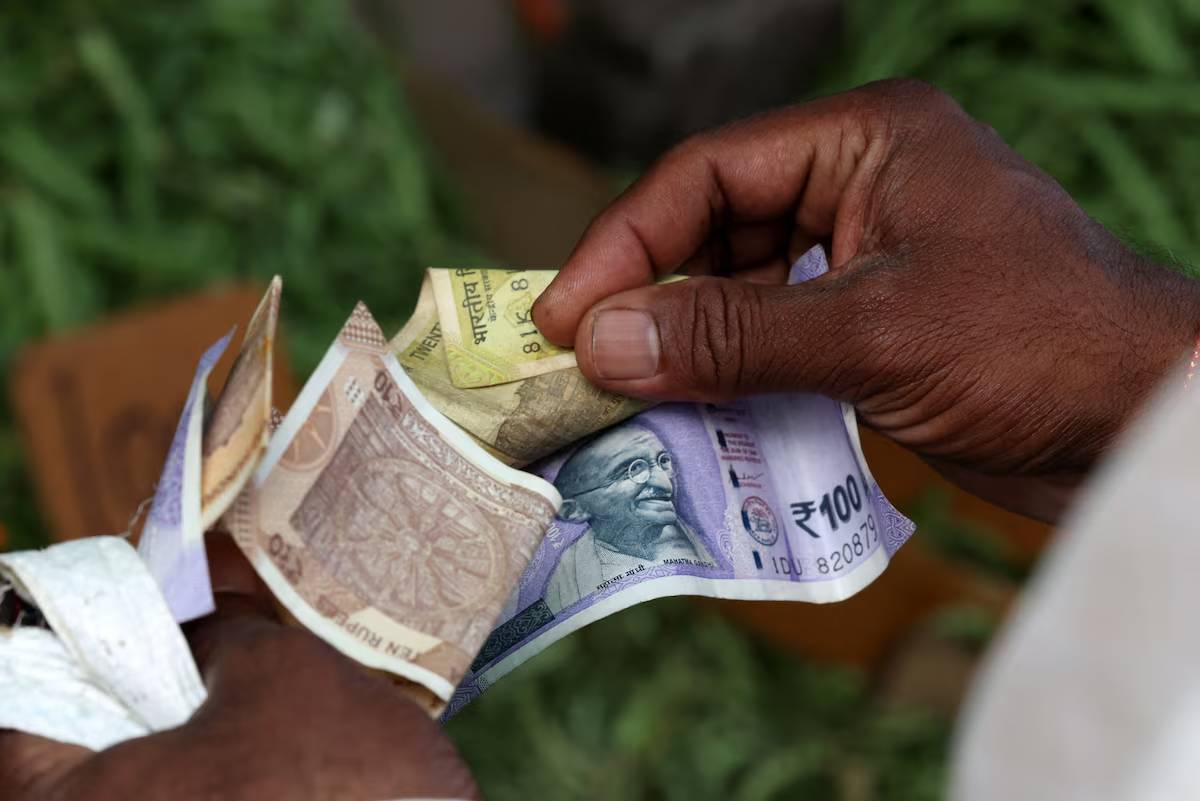






PSU Bank Merger: The number of public sector banks in the country is about to shrink even more. The government is combining smaller public sector banks with larger ones. The goal is to replace the smaller banks with a single larger bank, enhancing their operational efficiency. The government aims to reduce the number of banks while creating a stronger entity, which will help improve the financial sector, broaden loan coverage, and enhance balance sheets and operations.
Which banks are on the list?
The six smaller public sector banks that might be merged include Indian Overseas Bank, Central Bank of India, UCO Bank, Bank of India, Bank of Maharashtra, and Punjab & Sind Bank. These could potentially merge with SBI, Bank of Baroda, PNB, Canara Bank, or Union Bank. All six are being considered for the next round of consolidation.
India’s banking sector has transformed over the last decade, and the biggest change has been the government’s decision to merge public sector banks. The idea was simple: create fewer but stronger institutions that can survive economic shocks and support national growth. However, the story is not just about efficiency. It also involves rising NPAs, the impact of high-profile frauds like those linked to Vijay Mallya and Nirav Modi, and the political questions surrounding public sector reforms. Understanding these factors helps explain why this consolidation happened and what the public stands to gain or lose.
NPAs, Bank Frauds, and the Push for Consolidation
India’s banks struggled for years with mounting NPAs as large sectors such as infrastructure, steel and power faced downturns. During the boom years, banks expanded lending aggressively, often ignoring early warnings about weak borrower capacity. Political pressure sometimes added to the problem when certain loans were pushed through as “priority” projects. As borrowers defaulted, banks had to make heavy provisions, which weakened their ability to lend to ordinary citizens and small businesses.
The situation worsened when high-profile corporate frauds shook public confidence. The Mallya case revealed how banks extended loans to an airline business even as its finances deteriorated. Delays in recognising distress and gaps in due diligence made the losses bigger. Soon after, the Nirav Modi scam exposed how weak supervision inside banks allowed misuse of Letters of Undertaking and created a loophole for money to be moved undetected. These frauds did not create the NPA crisis, but they showed how governance failures can magnify financial damage.
Faced with both rising NPAs and public anger, the government argued that small, fragmented banks could no longer handle such shocks. Merging them would create institutions with stronger balance sheets, better technology integration, and unified lending policies. It also promised cost savings by reducing duplication across branches and staff roles. Internationally, large consolidated banks are considered more capable of supporting infrastructure finance and absorbing sudden losses. Therefore, the government positioned mergers as a structural cure — a long-term solution to chronic weaknesses.
Politics, Public Interest, and What the Citizens Gain or Risk
Although the economic argument is strong, the mergers also drew political scrutiny. Critics questioned whether fewer banks would centralize control and make it easier for the ruling party to influence appointments. Some raised concerns about the timing of certain mergers and whether they were designed to signal “strong reforms” ahead of elections. However, consolidation has been discussed by banking experts and previous governments as well, indicating that the idea is not purely political. The RBI had also recommended stronger governance, better capitalization and structural reform long before these mergers took place.
For the public, the impact sits on both sides of the scale. On one hand, larger banks can offer better digital services, quicker credit processing and greater stability. They can lend more to MSMEs, farmers and infrastructure projects without needing constant government recapitalization. Better-capitalised banks also protect depositors and reduce the likelihood of taxpayer-funded bailouts. On the other hand, consolidation can lead to short-term branch closures, reduced staff interaction and disruptions during integration. Rural and semi-urban areas often fear losing access when branches merge. Moreover, concentrating banking into fewer large institutions increases systemic risk: if one major bank stumbles, the consequences become widespread.
The success of these mergers ultimately depends on governance. Banks need stronger internal audits, faster detection of fraud, and independence from political pressures. The government must protect public access to essential banking services, especially in remote regions, while ensuring transparency in senior appointments and lending decisions. Without these safeguards, the benefits of consolidation may not reach the common citizen.

Prabha Gupta is a veteran journalist and civic thinker dedicated to the constitutional ideals of dignity and institutional ethics. With over thirty years of experience in public communication, her work serves as a bridge between India’s civil society and its democratic institutions. She is a prominent voice on the evolution of Indian citizenship, advocating for a national discourse rooted in integrity and the empowerment of the common citizen