





IndiGo Flight Cancellations Raw: Why it happened ?
India’s largest airline, IndiGo, has plunged into a severe operational crisis, cancelling more than 400 flights in a single day. The disruption—one of the biggest since the post-pandemic restart—has forced the Ministry of Civil Aviation (MoCA) to impose temporary caps on airfares to protect passengers from sudden price spikes. Additionally, in an unusual move, the government has exempted IndiGo from complying with new DGCA rostering rules until February 10.
This report offers a journalistic, analytical, and active-voice examination of what caused the meltdown, why the government intervened, and what this means for India’s aviation ecosystem.
Why IndiGo’s Operational Meltdown Became Unavoidable
IndiGo’s crisis did not emerge overnight. Instead, it was the outcome of structural weaknesses that have been building for months. The airline, which operates over 2,000 daily flights, relies on a tightly wound network model. Therefore, even a small disturbance—such as a minor crew shortage—can quickly snowball into large-scale cancellations.
Over the past few weeks, IndiGo has been grappling with:
- Crew availability issues due to medical leave and fatigue-related limits
- Training cycles triggered by DGCA’s stricter rostering norms
- Fleet utilisation stress, particularly with new aircraft deliveries coming in slower than expected
When the DGCA recently introduced more stringent crew-rest and duty-hour regulations, the airline struggled to adjust its rosters. Transitioning thousands of pilots and cabin crew into the new system created gaps that IndiGo could not fill instantly. As a result, hundreds of flights were grounded, leaving passengers stranded at major airports such as Delhi, Mumbai, Bengaluru, and Hyderabad.
What made the situation worse was the airline’s heavy reliance on single-daily rotations: if one flight in the chain suffers a delay, all subsequent flights get affected. Consequently, cancellations multiplied through the day.
Why the Government Had to Cap Airfares and Grant an Exemption
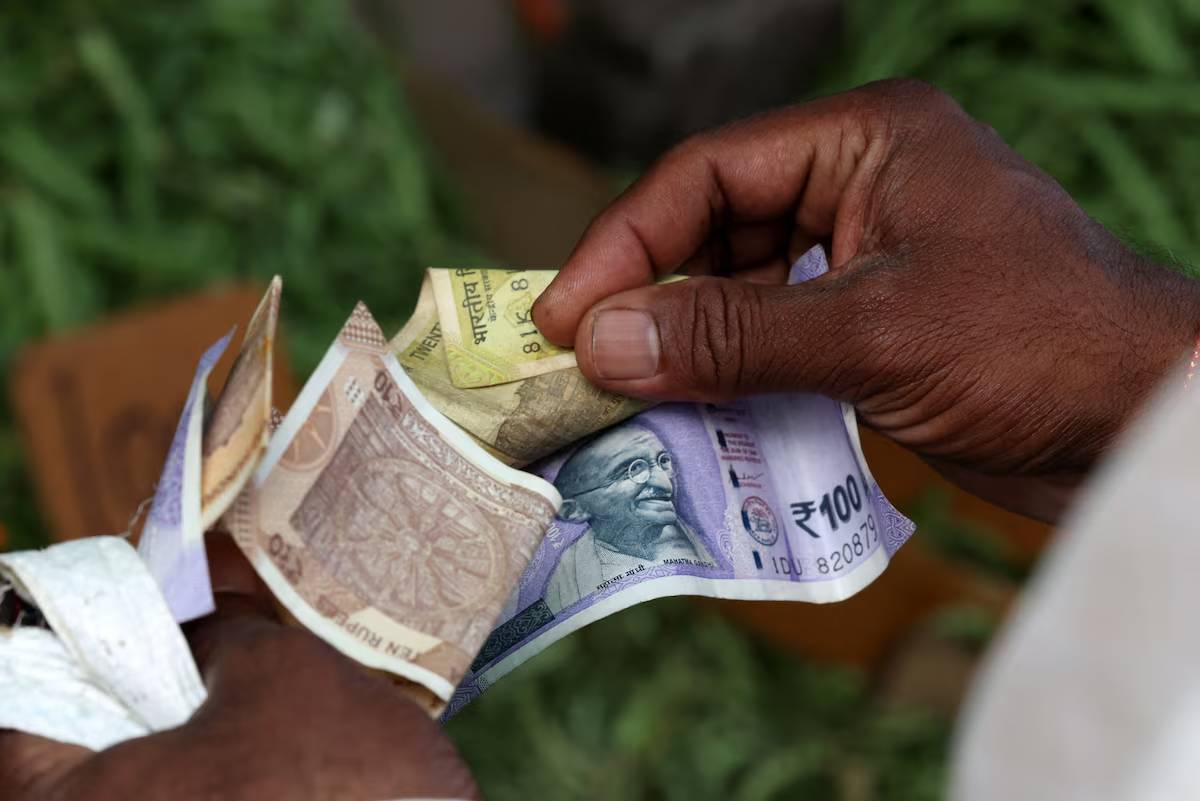
The government’s intervention marks a rare moment in India’s aviation history. Normally, airfares are left to market forces. Yet, as IndiGo cancelled more than 400 flights, fares on alternative flights shot up sharply—sometimes doubling within hours. Because this surge risked becoming a public-facing crisis, MoCA imposed temporary fare caps to stop what it viewed as opportunistic pricing.
Moreover, the government recognised that enforcing the new crew-rostering rules immediately would push IndiGo into deeper trouble. Therefore, it granted the airline a temporary exemption until February 10. Officials argue that this decision is necessary to stabilise the sector; otherwise, cascading cancellations could affect the entire domestic aviation network.
This exemption, however, raises important questions:
- Does it set a precedent for regulatory flexibility only when a major airline is affected?
- Will it delay much-needed reforms in crew fatigue management?
- What accountability mechanisms will ensure IndiGo does not repeat the same mistakes?
Aviation experts warn that while the exemption may offer quick relief, it risks glossing over systemic issues. IndiGo’s crisis reflects a broader problem: Indian airlines operate with wafer-thin margins, overstretched crews, and a fleet strategy that relies on maximum utilisation without adequate buffers.
The IndiGo collapse is not just an airline story—it is a stress test of India’s aviation policy. As air travel rebounds, airlines are pushing their limits, but the ecosystem—regulators, airports, and carriers—is not evolving fast enough to handle shocks.
In the coming days, passengers may see gradual restoration of flights, but industry watchers believe IndiGo must overhaul its planning norms, crew management, and communication systems. The government, too, will face scrutiny for balancing public interest with regulatory flexibility.

NewsHasghag operates a 24/7 news bureau that tracks the real-time, social media-driven stories from India and around the world, keeping you ahead of the day’s key talking points. Our digital-first approach transforms storytelling through the seamless integration of data, interactive charts, video, and audio into every narrative