





The pseudo Philanthropy of Bill & Milinda Gates Foundation
The pseudo Philanthropy of Bill & Milinda Gates Foundation- The intersection of global health, massive wealth, and private social circles has increasingly become a subject of public scrutiny, shifting the image of the Bill & Melinda Gates Foundation from a purely charitable organization to a central node in a vast “corporate nexus.” At the heart of this narrative is the revelation of meetings between Bill Gates and Jeffrey Epstein a connection that many now view as a window into the “crony” mechanics of modern philanthro-capitalism.
The Epstein Files and the Loss of Innocence
When the New York Times first detailed the extent of the meetings between Gates and Epstein, the justification provided was “fundraising.” Gates suggested the meetings were an attempt to tap into Epstein’s high-net-worth network to bring more money into global health initiatives. However, for many observers, this explanation felt insufficient. Epstein was a convicted sex offender, and his “network” was built on a foundation of exploitation.
The revelation didn’t just hurt Gates’s personal reputation; it sent shockwaves through the Foundation’s internal culture. Long-term employees and female leaders within the organization expressed deep concern that these associations directly contradicted the Foundation’s stated mission of empowering women and protecting the vulnerable. This moment marked a pivot in the public eye: Bill Gates was no longer seen merely as a tech-mogul-turned-saint, but as a corporate strategist operating within a rarefied circle where influence is traded, and the “ends” of global health are used to justify the “means” of problematic alliances.
Philanthrocapitalism: The Corporate Nexus
This association fueled a deeper critique of how the Foundation operates in countries like India. Critics argue that the “crony” mentality isn’t just about who you have dinner with; it’s about a fundamental shift in how health is managed. Instead of strengthening public hospitals or investing in the basics like healthy diets, clean water, and sanitation the Foundation’s model often prioritizes “vertical” fixes: high-tech, patentable products like vaccines.
This creates what some call a “corporate nexus.” The Foundation funds the research, sits on the boards of organizations like Gavi (the Vaccine Alliance), and influences the WHO. This vertical structure ensures that when a health crisis arises, the solution is almost always a product manufactured by the Foundation’s pharmaceutical partners. In this narrative, “philanthropy” becomes a way to de-risk the market for big pharma, using charitable status to open doors in developing nations that might otherwise be skeptical of corporate overreach.
The Case of India: From Polio to COVID-19
In India, this nexus is often viewed through the lens of the “Business of Polio.” Billions were spent on repeated vaccine doses while the underlying issues of fecal-oral transmission (lack of toilets and clean water) remained largely unaddressed. This established a pattern of dependency on international donors and their preferred manufacturers.
By the time the COVID-19 pandemic hit, the infrastructure for this “corporate-philanthropic” alliance was already in place. The Serum Institute of India, led by Adar Poonawalla, became the primary producer for the AstraZeneca vaccine a partnership heavily brokered and funded by the Gates-backed Gavi. The subsequent “Electoral Bonds” controversy and the legal admissions from AstraZeneca regarding rare but serious side effects like In the context of the AstraZeneca COVID-19 vaccine, Thrombocytopenia Syndrome, TTS have only deepened the suspicion that health policy is being written by those with the most to gain financially, rather than by public health experts focused on holistic well-being.
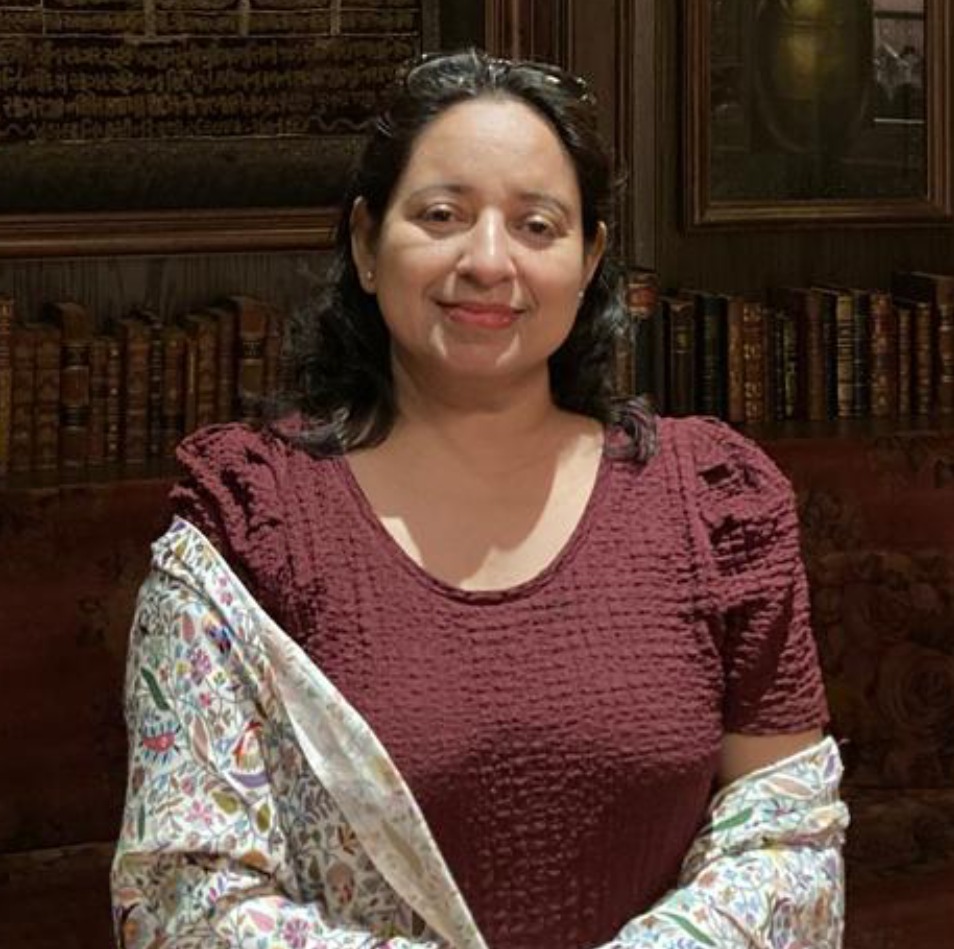
Prabha Gupta is a veteran journalist and civic thinker dedicated to the constitutional ideals of dignity and institutional ethics. With over thirty years of experience in public communication, her work serves as a bridge between India’s civil society and its democratic institutions. She is a prominent voice on the evolution of Indian citizenship, advocating for a national discourse rooted in integrity and the empowerment of the common citizen