



U.S. and Israeli Forces Launch Major Strikes on Iran
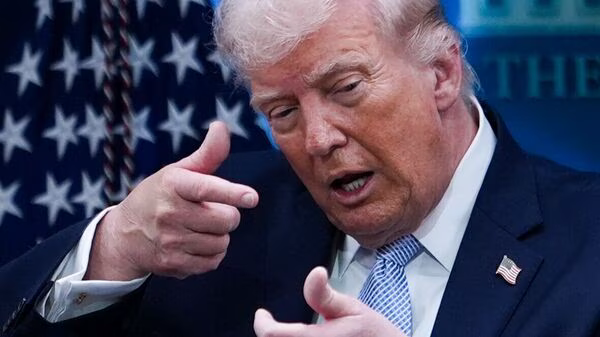
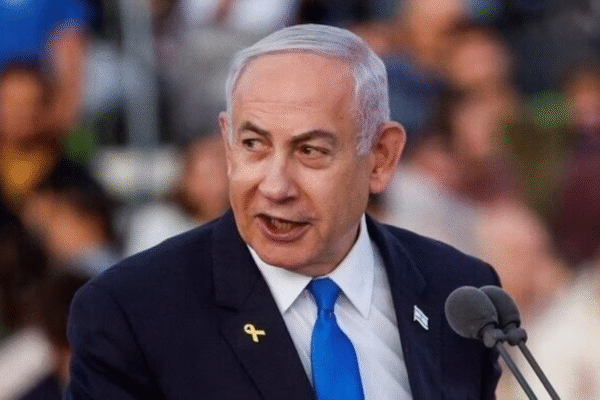
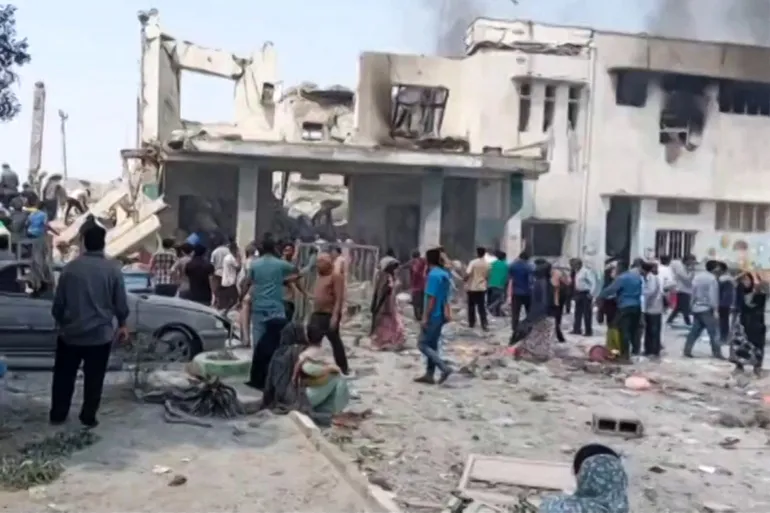
In a dramatic escalation of Middle East tensions on February 28, 2026, the United States and Israel launched coordinated military strikes against targets inside Iran. The offensive, described by Israeli officials as pre-emptive and necessary to counter threats from Tehran’s nuclear and missile programmes, struck military facilities, leadership compounds, and strategic sites including areas near Tehran, triggering explosions and widespread alarms across Iran. Sirens blared in Israel as authorities closed airspace, schools, and public transport in response to the unfolding crisis.
Iran’s leadership, including Supreme Leader Ayatollah Ali Khamenei and President Masoud Pezeshkian, were reported to be relocated to secure locations as military operations intensified. The offensive has significantly undermined ongoing diplomatic efforts aimed at de-escalation and has reopened the door to broader regional confrontation.
Iran Retaliates with Missile Strikes Across the Gulf
Within hours of the initial attack, Iran retaliated with ballistic missiles and missile barrages aimed at U.S. bases and allied territories across the Middle East. Iran’s missiles targeted military facilities in Qatar, Kuwait, the UAE, Bahrain and Jordan, most of which were intercepted by Gulf defence systems, though minor casualties and damage were reported, including at least one civilian death in Abu Dhabi from falling debris.
The scale of the Iranian response marks one of the most direct and expansive confrontations between Tehran and Western allies in recent decades. Regional capitals issued emergency alerts, schools temporarily shut, and governments urgently called for heightened security.
Global Political Fallout and Diplomatic Reactions
The international reaction has been swift and varied:
- Russia strongly condemned the U.S.–Israeli strikes, calling them an “unprovoked act of aggression” and warning of catastrophic humanitarian and regional instability. Moscow voiced support for Iran at the United Nations and urged restraint.
- Gulf Arab states, including Saudi Arabia, Qatar and Kuwait, condemned Iranian missile strikes that violated their sovereignty, while also calling for restraint and respect for international law.
- The European Union and the United Nations urged all parties to avoid further escalation and return to diplomatic negotiations to protect civilians and maintain peace.
Analysts warn the confrontation could dramatically destabilize an already fragile region, complicate global diplomatic efforts, and raise concerns about civilian harm should hostilities deepen.
Economic & Security Consequences
The attack comes at a sensitive moment for global energy markets. Iran is a major regional oil exporter, and any sustained conflict risks disrupting shipping through the Strait of Hormuz, a key artery for global oil flows, which could send prices soaring. Previous strikes and tensions have historically resulted in market volatility, with investors reacting sharply to news of military escalation.
Meanwhile, Western capitals and Middle Eastern governments have increased security measures—not just in the region but globally. For example, U.S. authorities stepped up security in major cities like New York City, alerting law enforcement to monitor potential threats tied to the broader conflict.
Humanitarian and Regional Security Risks
Humanitarian organisations have expressed deep concern about the impact on civilians. The International Committee of the Red Cross highlighted the risk of a “dangerous chain reaction across the region,” with potential for large-scale displacement, loss of life, and interruption of essential services if combat widens.
The spike in hostilities could also empower proxy actors and non-state militias linked to Iran, increasing instability in countries like Iraq, Syria and Lebanon and expanding conflict zones beyond Iran’s borders.
What Happens Next?
With tensions now at one of their highest points in years, the Middle East faces a crucial crossroad:
- Diplomacy may still avert full-scale war if diplomatic backchannels prevail.
- Further retaliation from Iran or its regional allies could spark wider confrontations.
- International diplomatic pressure, particularly from major powers and the United Nations, will be pivotal in defining whether the conflict spirals or de-escalates.

NewsHasghag operates a 24/7 news bureau that tracks the real-time, social media-driven stories from India and around the world, keeping you ahead of the day’s key talking points. Our digital-first approach transforms storytelling through the seamless integration of data, interactive charts, video, and audio into every narrative