


How IndiGo, India’s Largest Airline, Lost Control — And Why Critics Blame BJP’s Strategy
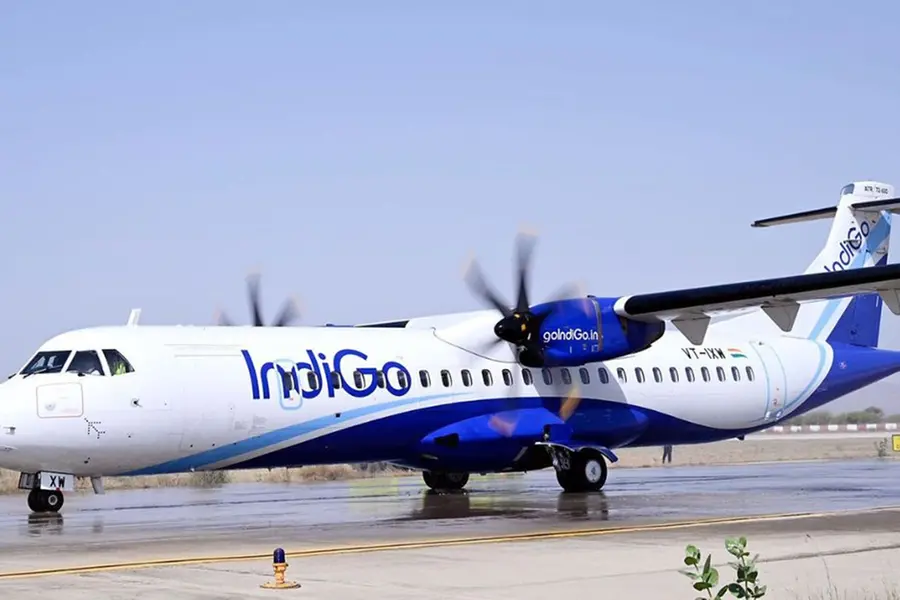
IndiGo was India’s most reliable airline for years. But in December 2025, it crashed into a crisis that shook the entire aviation sector. Passengers slept on airport floors. Baggage piled up in corners. Long queues stretched across terminals. The collapse looked sudden, but critics argue that deeper political and economic choices pushed IndiGo into this chaos. They point directly at the BJP government and its policies.
A Brief Rise: How IndiGo Became a Giant
IndiGo started flying in 2006. It promised on-time performance, simple service and low fares. Within five years, it became India’s largest domestic carrier. The airline followed a strict model. It kept planes in the air for long hours. It operated tight turnarounds. It hired lean crews and expanded routes at high speed.
For years, this model worked. But it depended on one fragile factor: very high crew utilisation. IndiGo needed every pilot and cabin crew member to work close to the maximum allowed duty time. Any change in regulation or schedule would hurt it.
This weakness surfaced when India began tightening crew-rest norms. The DGCA introduced the new Flight Duty Time Limitations in phases. The final phase came into force in November 2025. It demanded longer rest periods and stricter night-duty limits. IndiGo did not prepare for this shift. It kept expanding its schedule even though it had no spare crew. When the new rules hit, the airline broke down.
How the Crisis Exploded: The Political Angle
The airline collapse did not happen in a vacuum. Aviation experts, industry unions and political critics say the BJP government played a role through poor planning and harsh implementation. The government enforced new rest rules without giving airlines enough transition support. It also ignored repeated warnings about crew shortages.
Critics argue that the BJP uses a predictable pattern. It allows a sector to weaken through policy pressure and then steps in as a “rescuer.” They link IndiGo’s crisis to earlier events: the fall of Jet Airways, the freeze of GoFirst and the stress on other private carriers. Many observers believe that the government’s policies favour a few preferred corporate groups while independent players struggle.
When the IndiGo crisis began, the aviation ministry rushed to hold meetings and order inspections. But the response was too late. Passengers suffered for days. Crew rosters collapsed. Flight cancellations continued even after the government granted IndiGo last-minute exemptions from the very rules that triggered the crisis. Global pilot bodies warned that this move risked safety and transparency.
Critics see this as another example of reactive governance. The government allowed the crisis to intensify and then tried to manage public anger instead of solving the structural problem.
A Sector Under Pressure: What IndiGo’s Fall Reveals
India’s skies depend too much on one airline. IndiGo carries more than 60% of domestic passengers. When it fails, the entire system collapses. The crisis exposed deeper issues: over-centralisation, weak backup plans and an aviation policy that reacts to emergencies instead of preventing them.
IndiGo will try to rebuild its schedules, but trust has suffered. Many flyers now question whether any Indian airline is safe from sudden disruption. Critics also warn that as long as political decisions remain unpredictable, aviation in India will stay fragile.
The IndiGo meltdown shows the cost of aggressive expansion, poor regulation and political pressure. Unless these issues change, India’s air travel will continue to face shocks — and passengers will be the ones paying the price.

Prabha Gupta is a veteran journalist and civic thinker dedicated to the constitutional ideals of dignity and institutional ethics. With over thirty years of experience in public communication, her work serves as a bridge between India’s civil society and its democratic institutions. She is a prominent voice on the evolution of Indian citizenship, advocating for a national discourse rooted in integrity and the empowerment of the common citizen